Conservative Journalist Detects Growing Republican 'Exhaustion' with Trump as 2028 Speculation Intensifies
Key Takeaways
- •National Review correspondent Jim Geraghty noted that Republican insiders are increasingly focused on a post-Trump future, reflecting what he described as growing fatigue with Trump's twelve-year dominance of political discourse.
- •A potential 2028 GOP primary contest between Vice President JD Vance and Secretary of State Marco Rubio has gained traction among Republicans, with Rubio's standing rising as Vance's has declined due to public missteps.
- •Trump's approval ratings have dropped significantly following his handling of the Iran war and its economic fallout, emboldening some Republicans to break with him on decisions they fear could jeopardize their legislative agenda and congressional majority.
- •Several formerly loyal allies including Tucker Carlson, Alex Jones, and Marjorie Taylor Greene distanced themselves from Trump in 2026 over policy disagreements and personal disputes.
- •Recent polling data shows Trump's net approval rating among white voters has fallen to negative twenty points, signaling that dissatisfaction with his presidency is spreading beyond demographic groups where he has historically struggled.
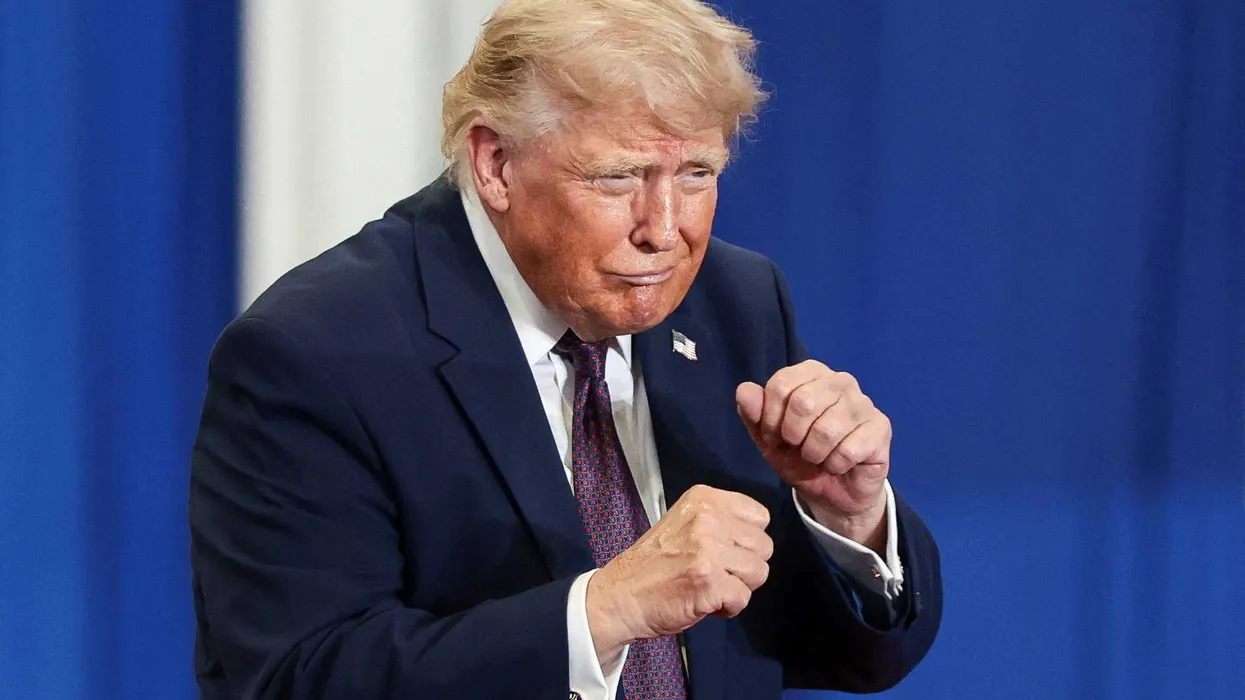
A prominent conservative journalist observed on Wednesday that Republicans are showing signs of "not-so-subtle exhaustion" with President Donald Trump, suggesting that even within the GOP, there is a readiness to move beyond the "Trump era."
Jim Geraghty, senior political correspondent for the conservative magazine National Review, wrote that Republican insiders are increasingly looking ahead to a post-Trump political landscape. "A whole lot of Republicans are eager to talk about the prospects of a 2028 GOP presidential primary featuring Vice President JD Vance, Secretary of State Marco Rubio, and perhaps some other options," Geraghty posted. "I suspect this reflects a not-so-subtle exhaustion with Donald Trump dominating every aspect of our political discussions since he descended the escalator at Trump Tower June 16, 2015. We have entered the twelfth year of the Trump era."
Geraghty accompanied his remarks with an image of Trump's 2015 golden escalator descent at Trump Tower, the moment he launched his candidacy and introduced the slogan "Make America Great Again." In the more than a decade since, Trump has dominated both politics and the broader news cycle, as Geraghty acknowledged, making any discussion of the party's next nominee inseparable from his long shadow.
The conversation within Republican circles about the party's next presidential nominee has increasingly centered on who might emerge as Trump's political heir. Most observers point to a likely contest between Vance and Rubio. While Vance was initially seen as the presumptive GOP standard-bearer for 2028, his standing has declined while Rubio's has risen. Vance stumbled through several damaging public missteps earlier in the year, while Rubio benefited from relatively high-profile assignments and favorable media coverage.
However, the 2028 succession discussion is not the only indicator of Republican fatigue with the Trump presidency. Trump's approval ratings have declined sharply following his handling of the Iran war and its subsequent economic fallout, emboldening a growing number of Republicans to break with him on decisions they believe jeopardize their legislative agenda and the party's congressional majority heading into the midterms. That broader unease matters because it affects not just the 2028 field, but also how much room Trump has to keep driving day-to-day Republican priorities in Washington.
This week, internal GOP divisions erupted over Trump's call for lawmakers to forgo their August recess to advance his voter ID legislation, a bill that has stalled due to insufficient Republican support.
The television network that played a central role in Trump's political rise has also grown increasingly reluctant to amplify his claims of election fraud. Meanwhile, Trump has lost the backing of several once-loyal high-profile allies, including Tucker Carlson, Alex Jones, and Marjorie Taylor Greene — figures who were pivotal during his ascent but distanced themselves from him in 2026 over policy disagreements and personal disputes.
Adding to Trump's challenges, polling data revealed on Wednesday that his support has eroded among his most critical demographic: white voters. His net approval rating with that group has dropped to -20 points. According to Newsweek, this and other recent surveys indicate that "dissatisfaction with his presidency is spreading beyond demographic groups where he has previously struggled."

