Renault Korea frames Filante's assertive ADAS as a safety-first strategy
Key Takeaways
- •Filante offers up to 34 advanced driver-assistance and safety features under Renault’s “Human First” philosophy.
- •Active Driver Assist monitors traffic, controls speed and following distance, keeps the vehicle centered in its lane, and supports automatic lane changes.
- •Emergency steering assist helps the driver steer around detected cars, pedestrians, or other obstacles under specified conditions.
- •A radar-based rear occupant alert is standard on all trims and warns the driver if movement is detected inside the vehicle after shutdown.
- •Renault’s QRescue QR code lets emergency responders access vehicle information and may reduce rescue time by up to 15 minutes.
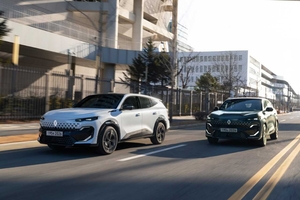
Renault Korea is framing the assertive driver-assistance systems in its new Filante crossover as a deliberate safety choice, even as their frequent interventions draw mixed reactions from drivers.
The E-segment crossover carries up to 34 advanced driver-assistance and safety features under Renault’s “Human First” philosophy, which prioritizes early detection and the prevention of potential accidents. That emphasis matters in a segment where premium crossovers are increasingly judged not only by comfort and technology, but also by how seamlessly those systems fit into everyday driving.
Active Driver Assist sits at the center of the package. The system monitors surrounding traffic, adjusts the vehicle’s speed and its distance from other cars, keeps it centered in its lane, and supports automatic lane changes. Some drivers may find its steering corrections and collision warnings more sensitive than expected, but Renault Korea says the settings are designed to identify hazards early and give drivers more time to respond.
Filante also adds emergency steering assist, which supports evasive steering when the vehicle detects a car, pedestrian, or other obstacle in its path. The system operates under specified speed and road conditions and is intended to reduce collision risks in sudden situations.
A radar-based rear occupant alert is fitted as standard across all trims. Two interior radar sensors detect movement after the engine has been switched off and warn the driver if a passenger, child, or pet may have been left inside.
Beyond electronic assistance, Renault Korea has reinforced the vehicle’s physical structure. Filante uses 24 hot press forming components, which account for 18 percent of its body structure. Hot press forming involves heating steel before pressing and rapidly cooling it into shape. According to the company, the process produces parts with two to three times the strength of conventional steel components, helping limit cabin deformation during a collision.
Filante is also equipped with Renault’s QRescue code, a QR-based system that gives emergency responders access to essential vehicle information at an accident scene. Firefighters and police can scan the code to check the location of structural reinforcements and other key components before beginning rescue work. Renault says the information can shorten rescue times by up to 15 minutes.
Together, the driver-assistance features, reinforced body, and post-crash response system form a safety package that Renault Korea hopes will distinguish Filante in the competitive premium crossover market, where advanced safety tech is now part of the baseline conversation rather than an optional extra. While its interventions may sometimes feel unusually active, Renault presents that sensitivity as central to its safety approach: detecting potential danger early and acting before a collision becomes unavoidable.

