Defense Schools Prosecutors on Grand Jury Rules in Trump Reflecting Pool Vandalism Case
Key Takeaways
- •Olympic canoeist David "Davey" Hearn faces federal vandalism charges for allegedly damaging the Lincoln Memorial Reflecting Pool following its Trump-ordered renovation.
- •Hearn's defense team argues that grand jury secrecy obligations under Rule 6(e) apply exclusively to government attorneys and cannot be extended to the defense.
- •The defense asserts the secrecy dispute is moot because the court had previously authorized disclosure of grand jury materials to the defense before the contested filing.
- •A key witness has reportedly stated that the damage to the Reflecting Pool predated Hearn's arrival at the site.
- •The Reflecting Pool renovation experienced multiple failures including sealant problems, an algae bloom, and surface cracking after hydrogen peroxide was added to treat the algae.
Defense attorneys in the Trump administration's Reflecting Pool vandalism case have pushed back forcefully against federal prosecutors, filing a scathing rebuttal that accuses the government of misapplying grand jury secrecy rules.
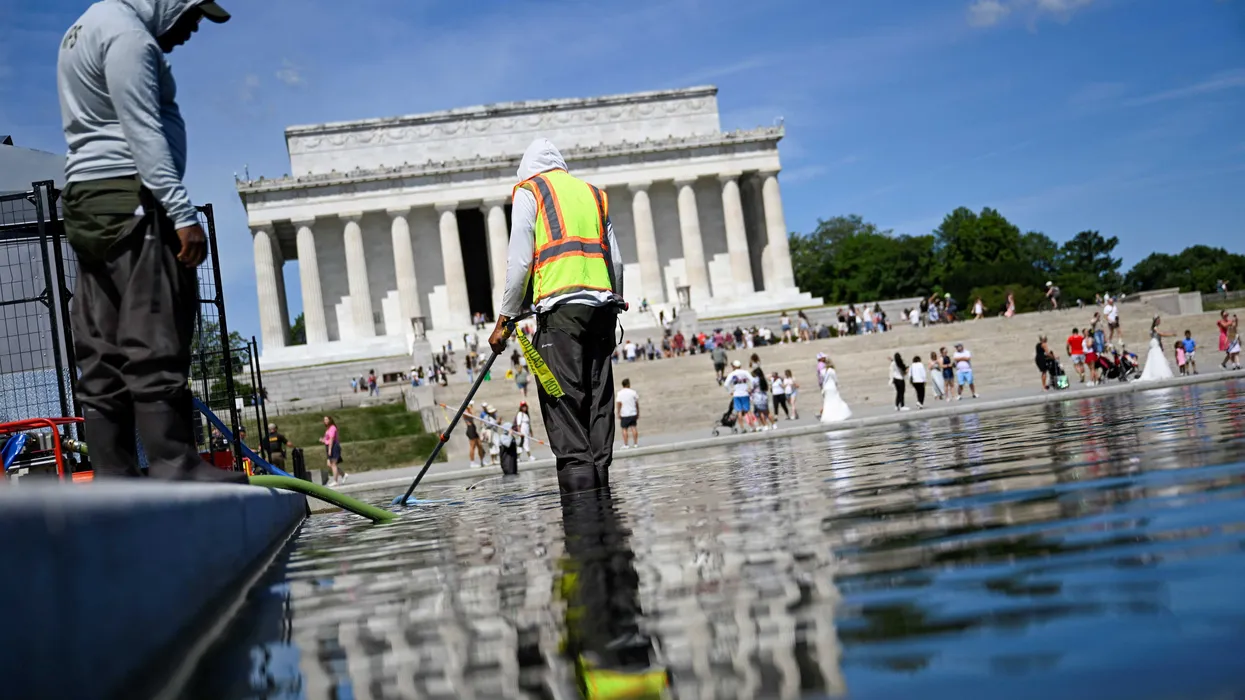
The case centers on Olympic canoeist David "Davey" Hearn, who faces federal charges for allegedly damaging the Lincoln Memorial Reflecting Pool following its controversial renovation, which was carried out on President Donald Trump's orders. Hearn maintains his innocence, and a key witness has reportedly stated that the damage predated Hearn's presence at the site.
According to NBC News justice correspondent Ryan J. Reilly (https://x.com/ryanjreilly/status/2082567885688353182), Hearn's defense team reminded Assistant U.S. Attorney Kevin Reddington in a court filing that grand jury secrecy obligations under Rule 6(e) apply exclusively to government attorneys — not to the defense. Rule 6(e) of the Federal Rules of Criminal Procedure is designed to protect the integrity of grand jury proceedings by shielding witness identities, unreleased evidence, and the reputations of unindicted individuals; violations by government attorneys can result in sanctions or professional consequences.
"The government seeks to extend its government-specific Rule 6(e) obligations to the defense, asserting that the defense 'cho[se] not to honor Rule 6(e)' when it discussed grand jury testimony in its filing," the defense wrote. "But the government has Rule 6(e) exactly backward. While 'an attorney for the government' is expressly prohibited from disclosing, without permission, a matter occurring before a grand jury, the defense is not ... Accordingly, there can be no defense Rule 6(e) violation resulting from the defense's proper use of grand jury testimony in connection with these judicial proceedings."
The defense further argued that the issue is moot because an indictment has already been issued and the government had previously sought and received court permission to disclose grand jury materials to the defense. That prior court authorization, the defense contends, effectively resolved any secrecy concern before the disputed filing was made.
"Rule 6(e) is simply inapplicable, and the government's contrary suggestion is plainly incorrect," the filing stated.
The Lincoln Memorial Reflecting Pool renovation was among Trump's signature Washington, D.C. beautification initiatives. However, the project encountered immediate problems when the paint and sealant failed, triggering a massive algae bloom. The White House responded by ordering large quantities of hydrogen peroxide to be dumped into the pool to combat the algae, which in turn caused the new surface to peel and crack.
Trump has publicly insisted that the damage resulted from a deliberate "gash" inflicted by political protesters, though no evidence has surfaced to support that claim. The case has drawn attention in part because it intersects a politically charged public-works project with a routine procedural dispute over evidence handling, a dynamic that legal observers say can complicate proceedings when high-profile government initiatives are involved.

