Seven Strategies Beauty Salons Can Use to Cut No-Shows and Protect Daily Revenue
Key Takeaways
- •A single missed appointment costs a salon an average of $527 once lost service revenue, unrecoverable overhead, and idle labor time are counted.
- •Automated SMS and email reminders paired with upfront deposits can lower salon and clinic no-show rates by as much as 38%.
- •Standard industry practice calls for 24-to-48-hour cancellation windows, charging 50% of the service fee for late cancellations, up to 100% for unexcused no-shows, or flat penalties of $25 to $50 on smaller appointments.
- •Card-on-file penalty collection requires PCI-DSS-compliant payment gateways using tokenization, ensuring raw card numbers are never stored on local salon systems.
- •Automated digital waitlists text standby clients the instant a slot opens and assign the appointment to the first responder, while repeat no-show offenders can be required to prepay the full service cost before booking.
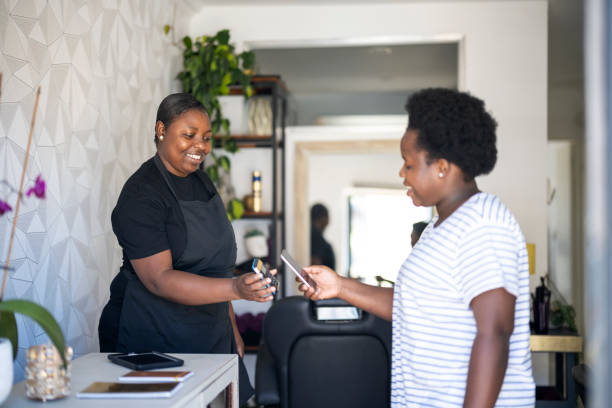
Missed appointments cost beauty salons an average of $527 per instance in lost service revenue, unrecoverable overhead, and idle labor time. Unmanaged no-shows and last-minute cancellations remain a primary source of operational friction and revenue loss for beauty salons, hair studios, day spas, and medical spas across the United States.
Seven proven operational strategies can protect daily revenue, reduce empty chair time, and make daily operations more: automated reminders, upfront deposits, secure card-on-file policies, defined cancellation windows, digital waitlists, attendance tracking, and 24/7 self-service scheduling. Each targets a distinct stage of the booking relationship, from securing the initial commitment to recovering lost time after a cancellation.
What Salon No-Show Reduction Means
Salon no-show reduction is a systematic operational approach that combines management software, transparent policies, and automated client workflows to eliminate empty chair time and protect daily revenue. A no-show occurs when a client reserves a dedicated time slot with a stylist or beauty technician but fails to arrive without giving prior notice.
The True Cost of Missed Appointments
Unfulfilled appointments inflict direct financial damage on salons, hair studios, and spas. A single missed appointment costs businesses an average of $527 per instance when accounting for lost service revenue, unrecoverable overhead, and idle labor time. Commission-based or hourly staff members remain underutilized during these gaps, while fixed business expenses such as rent, software subscriptions, and utilities continue unchanged.
Establishing structured booking protocols restores financial predictability to daily operations. Multi-channel reminders and upfront deposits can reduce salon and clinic no-show rates by up to 38%. Reducing empty calendar slots stabilizes cash flow, protects profit margins, and maintains consistent working schedules for salon personnel.
1. Automate Multi-Channel SMS and Email Reminders
Automated SMS and email reminders eliminate client forgetfulness by keeping upcoming appointments top of mind ahead of the service date. Because simple forgetfulness is among the most common reasons clients miss appointments, automated reminders target the most preventable cause of empty chairs. Text messaging yields significantly higher open and response rates than email, though using both delivery channels concurrently creates the highest retention results.
Timing sequences play a critical role in attendance rates. The optimal reminder cadence falls 24 hours and 2 hours before the scheduled appointment, and all-in-one booking software such as Booksy Biz enables salons to automate these messaging workflows without adding administrative burdens to front-desk staff.
Two-way interactive SMS systems allow clients to confirm their arrival by replying directly to the text message. When a client responds with a confirmation code, the system automatically updates the appointment status within the calendar interface. Reminders that include direct links to cancel or reschedule within permitted policy windows also cut outright no-shows: clients facing unexpected scheduling conflicts can adjust their reservations independently, allowing the salon to recover the open time slot.
2. Collect Upfront Deposits
Requiring clients to pay a percentage of the total service cost at the time of scheduling creates immediate financial commitment, which drastically reduces casual or careless double-booking. This mechanism directly counters the lack of financial investment at booking that commonly precedes missed appointments. Deposit requirements typically range from 20% to 50% of the total service cost.
Salon owners prioritize deposit collection for high-ticket or time-intensive services such as hair coloring, chemical treatments, and extensions. These intensive services represent significant sunk labor costs and lost service revenue, making unfulfilled time slots especially damaging to daily revenue.
Modern salon management platforms integrate deposit collection directly into the digital checkout process. Solutions often featured among the best barber scheduling apps and salon booking software handle payment gateway processing seamlessly during online scheduling. Requiring this initial financial investment filters out non-committed clients before they occupy valuable calendar space, ensuring predictable cash flow across all working shifts.
3. Enforce a Secure Card-on-File Policy
Card-on-file capture gives salons the contractual authority to collect penalty fees automatically when clients break agreed cancellation windows. Capturing payment details during online booking establishes clear financial accountability for every appointment.
Security and PCI Compliance
Salons must process credit card information through payment gateways that adhere strictly to PCI-DSS compliance standards. Payment systems use tokenization technology, replacing sensitive card data with encrypted tokens, so local salon software or hardware never stores raw credit card numbers.
Automating Penalty Collection
A pre-disclosed cancellation policy allows salons to process no-show fees or late cancellation charges without manual billing friction. Clients must acknowledge these financial terms through digital signature fields or consent checkboxes during the online checkout flow, and explicit consent records protect business owners against payment chargebacks or disputed transaction claims.
4. Establish Clear 24- to 48-Hour Cancellation Windows
A defined cancellation window gives salon staff the lead time necessary to rebook open slots before service time is permanently lost. Standard beauty industry guidelines require clients to provide notice between 24 and 48 hours before the scheduled start time.
Displaying Terms and Securing Consent
Cancellation policies must be displayed prominently across all digital client touchpoints, including online booking portals, website footers, confirmation emails, and front-desk signage. Requiring clients to check an agreement box during online booking ensures documented consent.
Balancing Enforcement and Client Relationships
Strict enforcement protects profit margins, but salon managers should maintain flexibility for genuine sickness or emergency situations. Waiving fees during verifiable personal emergencies preserves long-term client relationships, while strict financial penalties are applied primarily to repeat offenders who disregard business boundaries.
5. Deploy an Automated Digital Waitlist
Digital waitlists immediately broadcast open appointment slots to standby clients the moment a cancellation is processed. Automated waitlist tools compile client requests for filled or earlier time slots into a central, organized booking queue.
When a client cancels an appointment within the management platform, the software sends an automated SMS alert to queued clients instantaneously, and the first client who responds secures the open time slot automatically in the calendar. This automated communication fills empty chairs within minutes without requiring manual phone outreach, cold calls, or administrative effort from salon receptionists. Rapid rebooking carries measurable weight, since a single unfilled slot represents an average loss of $527 in service revenue, overhead, and idle labor.
6. Track Attendance History and Flag Repeat Offenders
Tracking client attendance data allows salon managers to identify repeat offenders and adjust booking privileges accordingly. Salon management software tracks individual attendance records over time, compiling precise attendance-rate metrics for every customer profile.
Clients who accumulate multiple unexcused no-shows or late cancellations receive automated tags within the system database. Salon owners can restrict flagged accounts, requiring chronic offenders to prepay 100% of service costs before reserving future appointments. This targeted policy shields salon calendars from repeated revenue disruptions while maintaining open access for reliable clients.
7. Offer 24/7 Online Self-Service Scheduling
Round-the-clock online self-service scheduling removes the administrative friction that causes clients to give up and simply not show up. Complex or restrictive cancellation procedures that force clients to call during restricted business hours directly increase overall no-show frequencies.
Online booking platforms allow clients to manage, adjust, reschedule, or cancel appointments 24/7 without phone calls. Frictionless self-service tools empower clients to handle unexpected schedule conflicts promptly within permitted policy notice windows, and freeing front-desk staff from routine scheduling tasks lets personnel focus on delivering superior in-salon guest experiences and maintaining peak operational efficiency.
Why Clients Miss Appointments
Clients usually miss appointments because of simple forgetfulness, unexpected personal conflicts, or a total lack of financial investment at the time of booking. Complex phone-only cancellation procedures also cause busy clients to skip giving notice entirely rather call during business hours.
Standard Practices at a Glance
The most effective reminder cadence consists of an immediate booking confirmation, a primary reminder 24 to 48 hours before the appointment, and a final text 2 hours prior. These messages should include interactive confirmation commands alongside quick self-service rescheduling links.
Standard industry practice dictates charging a 50% service fee for late cancellations inside the policy window and up to a 100% full fee for unexcused no-shows. Flat penalty options ranging from $25 to $50 serve smaller service appointments under $100.
Salons must use PCI-DSS-compliant payment gateways that employ tokenization, which encrypts credit card numbers into non-sensitive digital tokens and prevents local salon devices from ever storing actual card data.
Automated waitlists complete the toolkit, texting standby clients the moment a calendar slot opens and automatically assigning the appointment to the first client who clicks to accept the offer.
When evaluating booking platforms, salon owners can measure available tools against this operational baseline: multi-channel reminder automation, deposit and card-on-file support, PCI-DSS-compliant tokenized payments, two-way SMS confirmations, and built-in waitlist logic.

