Red-State Residents Express Fury Over Economic Hardship as Trump Maintains Luxurious Lifestyle, Reports New York Times
Key Takeaways
- •Oklahoma and Arkansas rank among the states with the highest poverty rates, and their populations rely heavily on federal assistance programs such as SNAP and Medicaid.
- •Kristof reported that Trump has pursued cuts to social benefits including Medicaid, food stamps, and early childhood education while supporting tax cuts for the wealthy and subsidies for private planes.
- •Trinity Goodman of Oklahoma reported having less than four dollars total in her bank accounts and survives by selling blood plasma twice a week.
- •Plasma donation has become a widely reported coping mechanism among low-income Americans, with the United States operating the largest plasma collection industry in the world.
- •Retired Army veteran Glayton Johnson stated that the removal of Black senior officers under Defense Secretary Pete Hegseth has undermined the military's role as a pathway to upward mobility for Black Americans.
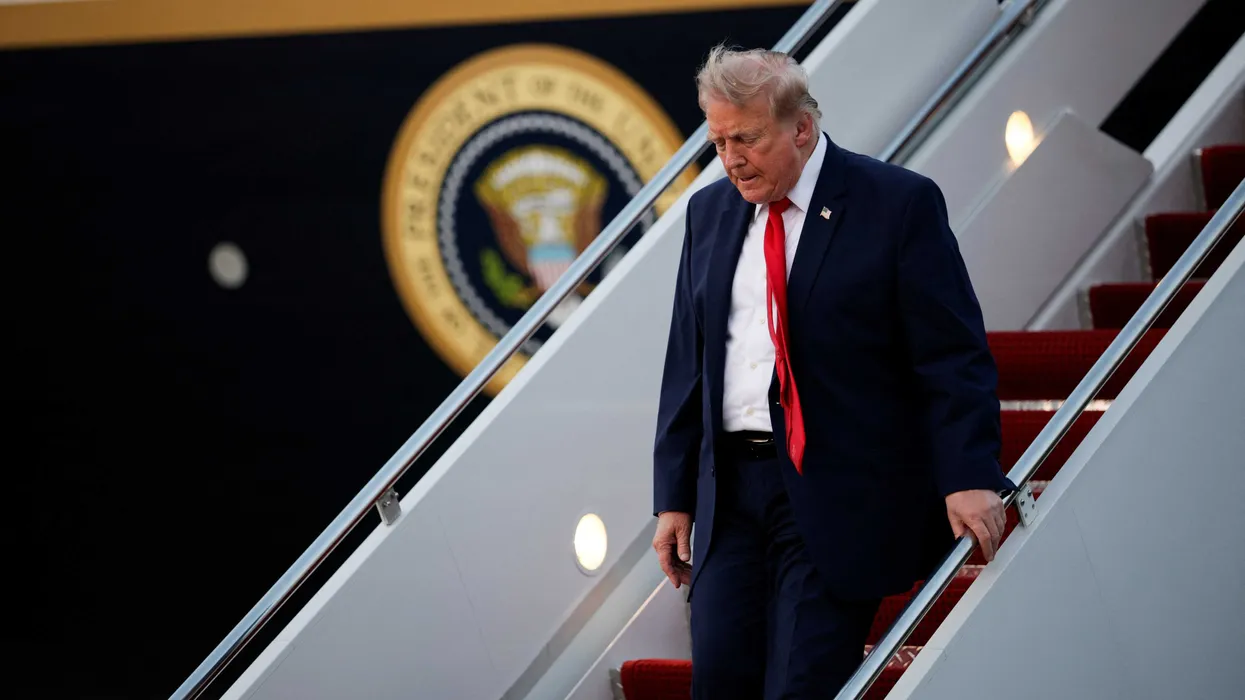
Residents of Republican-leaning states are expressing deep frustration over President Donald Trump's lavish lifestyle as they face severe economic hardship, according to a New York Times report by columnist Nicholas Kristof.
Kristof spoke with multiple red-state Americans who described having almost no money in the bank and struggling to afford basic necessities. Oklahoma and Arkansas, where several interviewees live, rank among the states with the highest poverty rates in the country, and both have populations that rely heavily on federal assistance programs such as SNAP and Medicaid.
"You do not know what you're doing to people who are struggling to live," said Trinity Goodman of Oklahoma, directing her comments at Trump. "You got money in the bank. You don't know how it feels to struggle. Live in my shoes for one day. You wouldn't be able to handle it."
Goodman told Kristof that she had less than $4 in her checking account and a single cent in her savings account to keep it open, which she described as her full assets. She noted that food stamps cannot be used to purchase toilet paper or feminine hygiene products. She survives by selling her blood plasma twice a week. Plasma donation, for which donors receive modest compensation, has become a widely reported coping mechanism among low-income Americans, with the United States accounting for the largest plasma collection industry in the world.
"I've never been to a barber or any of those places," Goodman said. "Never. I don't have that luxury."
Kristof highlighted Trump's cuts to social benefits, including Medicaid, food stamps, and early childhood education. He wrote that the push to reduce assistance for struggling Americans is "hard to square with the expense of the Iran war, as well as subsidies for private planes and tax cuts for the wealthiest."
The columnist described being stunned by what he witnessed during his reporting trip across America, citing the combined pressure of inflation and social benefit reductions.
"I talked to so many people who are losing food stamps and other benefits and increasingly desperate — and resentful, understandably, of elites who seem indifferent to their struggles," Kristof said.
Latoya Foster, 31, a single mother raising six children in Arkansas, told Kristof she was among those who lost food stamps before breaking down in tears during the interview.
"I hit rock bottom daily," Foster said. "The more I work, the harder stuff gets."
Retired Army veteran Glayton Johnson directed criticism at Defense Secretary Pete Hegseth, telling Kristof that the removal of Black senior officers has damaged the military's standing as a pathway to opportunity for people of color. The military has long been regarded by researchers and policymakers as one of the most significant engines of upward mobility for Black Americans, offering access to education, healthcare, and stable employment.
"The military is out," Johnson said, indicating it is no longer a viable option for Black Americans. "No, we're not going there."
The tensions Kristof documents reflect a broader dynamic that political analysts have tracked in recent years: the relationship between Republican economic policy priorities and the material conditions of the party's working-class base, which has grown increasingly central to debates within both major parties about the future direction of social spending.
The full New York Times column by Nicholas Kristof is available here.

