Record U.S. Refinery Runs Fall Short as Global Fuel Shortage Deepens
Key Takeaways
- •U.S. refineries produced an average of 17 million barrels of fuel per day last week, the highest level since September 2019, yet this record output has not closed the global supply gap.
- •The crack spread between crude oil and refined products surged to $70 per barrel earlier this month, approximately three to four times the historical average.
- •European refinery closures, driven by aging infrastructure and tightening environmental regulations, have reduced Western refining capacity in a trend that cannot be quickly reversed.
- •China's strict fuel export quota policy and Russia's diesel export ban have further constrained global refined fuel supply, with neither nation signaling policy changes.
- •A worsening diesel supply crunch threatens to make the fuel unaffordable for poorer nations across Southeast Asia, Africa, and Latin America, with downstream effects on food production, freight, and consumer goods costs.
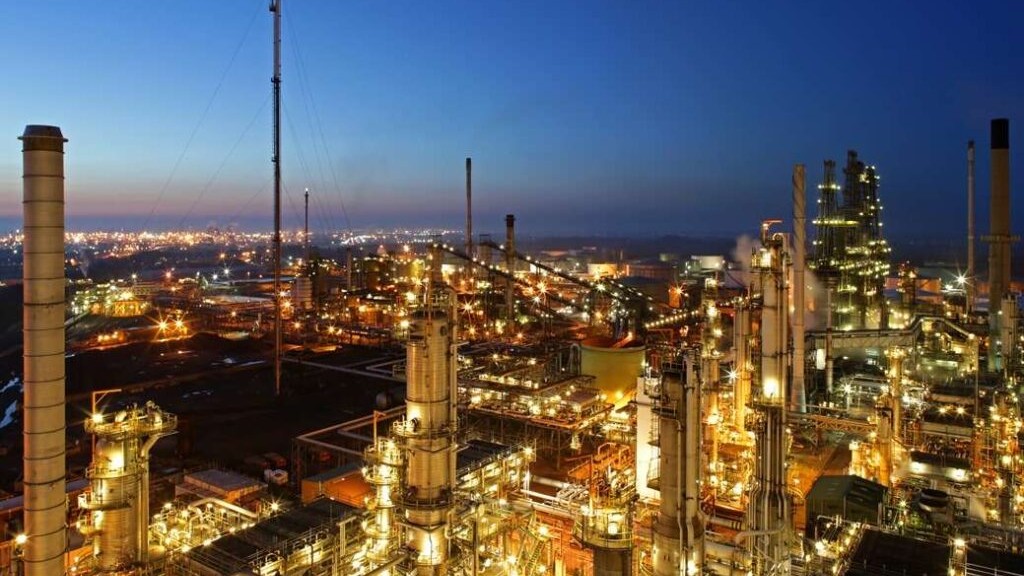
U.S. refineries are churning out more gasoline and diesel than at any point since the pandemic, and refining margins have climbed to all-time highs. Yet the world remains in the grip of a fuel shortage — and according to industry analysts, the situation is unlikely to improve anytime soon, potentially requiring a peace agreement in the Middle East before meaningful relief arrives.
The fuel supply crunch represents the more consequential dimension of the current oil crisis, given that the global economy runs on refined products rather than raw crude. A refinery throughput bottleneck — not crude availability — is what translates into shortages and price spikes at the pump, in power generation, and across freight and agriculture. However, since the United States and Israel launched their initial strikes on Iran in late February, crude oil prices have dominated the headlines. Attention is now shifting toward refined fuel supplies, which continue to tighten — a reality that no amount of social media commentary or reports about ample crude inventories can alter.
According to the latest Energy Information Administration data, U.S. refineries produced an average of 17 million barrels of fuels per day last week — the highest level since September 2019, as reported by Bloomberg. Refiners have been maximizing output to capitalize on a record-breaking crack spread, the ratio between crude oil prices and the prices of its primary refined products, which surged to $70 per barrel earlier this month — a level roughly three to four times the historical norm and one that underscores how severely refining capacity is lagging demand.
Despite these record refinery runs and similarly unprecedented export volumes, the gap in global fuel supply remains unfilled. Sustained maximum operations are also drawing down U.S. crude oil inventories, which are already at uncomfortably low levels. "Super-sized refining margins continue to encourage refiners to run as hard as possible, resulting in a solid draw to crude inventories," said Matt Smith, director of commodity research at Kpler, as quoted by Bloomberg.
The causes of the persistent shortage are multilayered and increasingly structural. The most immediately visible factor is the crude and fuel export disruption stemming from the war in the Persian Gulf. Gulf states, often remembered primarily as major crude exporters, were also significant suppliers of refined petroleum products before the conflict disrupted those flows. Simultaneously, European nations have been steadily shuttering refineries — part of a longer-term trend accelerated by aging infrastructure, tightening environmental regulations, and energy-transition policies — reducing the continent's fuel production capacity. This contraction in Western refining capacity has been years in the making and cannot be quickly reversed, as new refineries take the better part of a decade to permit and build.
China's strict fuel export quota policy further constrains global supply by limiting how much its refiners can produce for export. In a recent analysis of the global refining sector, Kpler identified this factor as no less significant than Russia's decline in refinery output, which resulted from Ukrainian drone strikes on Russian facilities. Those attacks even prompted Moscow to impose a diesel export ban, worsening an already tight diesel market.
Earlier this month, the Financial Times reported that the world confronts a diesel supply crunch expected to drive prices higher, potentially rendering the fuel unaffordable for poorer nations across Southeast Asia, Africa, and Latin America. Diesel is the workhorse fuel of the global economy — powering trucks, ships, tractors, and industrial machinery — so sustained price escalation carries direct implications for food production costs, freight rates, and consumer goods prices worldwide.
While some Russian refineries — Russia having been the world's second-largest fuel exporter after the United States — have since resumed operations, the diesel export ban remains in effect as Moscow prioritizes domestic supply security. China, for its part, has shown no indication of altering its fuel export policy at current crude price levels.
The prospect of peace between the United States and Iran remains as remote as it was a month ago. Both nations have resumed targeting each other's assets, including a drone strike on a U.S.-owned floating storage oil tanker at the Egyptian port of Damietta — an escalation suggesting the conflict could yet broaden geographically.
Taken together, these factors indicate that the current fuel crunch may be in its early stages, arriving at a particularly challenging moment as countries in the Northern Hemisphere begin preparing for winter, a process that traditionally involves building diesel stockpiles for heating oil ahead of peak demand season.
By Irina Slav for Oilprice.com

