At Least 34 Killed in Methane Gas Coal Mine Explosion in Pakistan's Balochistan Province
Key Takeaways
- •A methane gas explosion at a coal mine near Quetta in Balochistan province killed at least 34 workers on Thursday.
- •Rescue operations continued into Friday to locate an unknown number of miners still believed to be trapped underground.
- •Pakistan's coal mining sector is governed primarily by the Mines Act of 1923, a colonial-era statute that labor advocates argue fails to meet contemporary safety standards.
- •Balochistan's coalfields have been the site of repeated fatal incidents over the years, including gas explosions, tunnel collapses, and asphyxiation.
- •Despite periodic government pledges to strengthen enforcement, rescue teams and mine inspectors remain under-resourced relative to the scale of mining activity across the province.
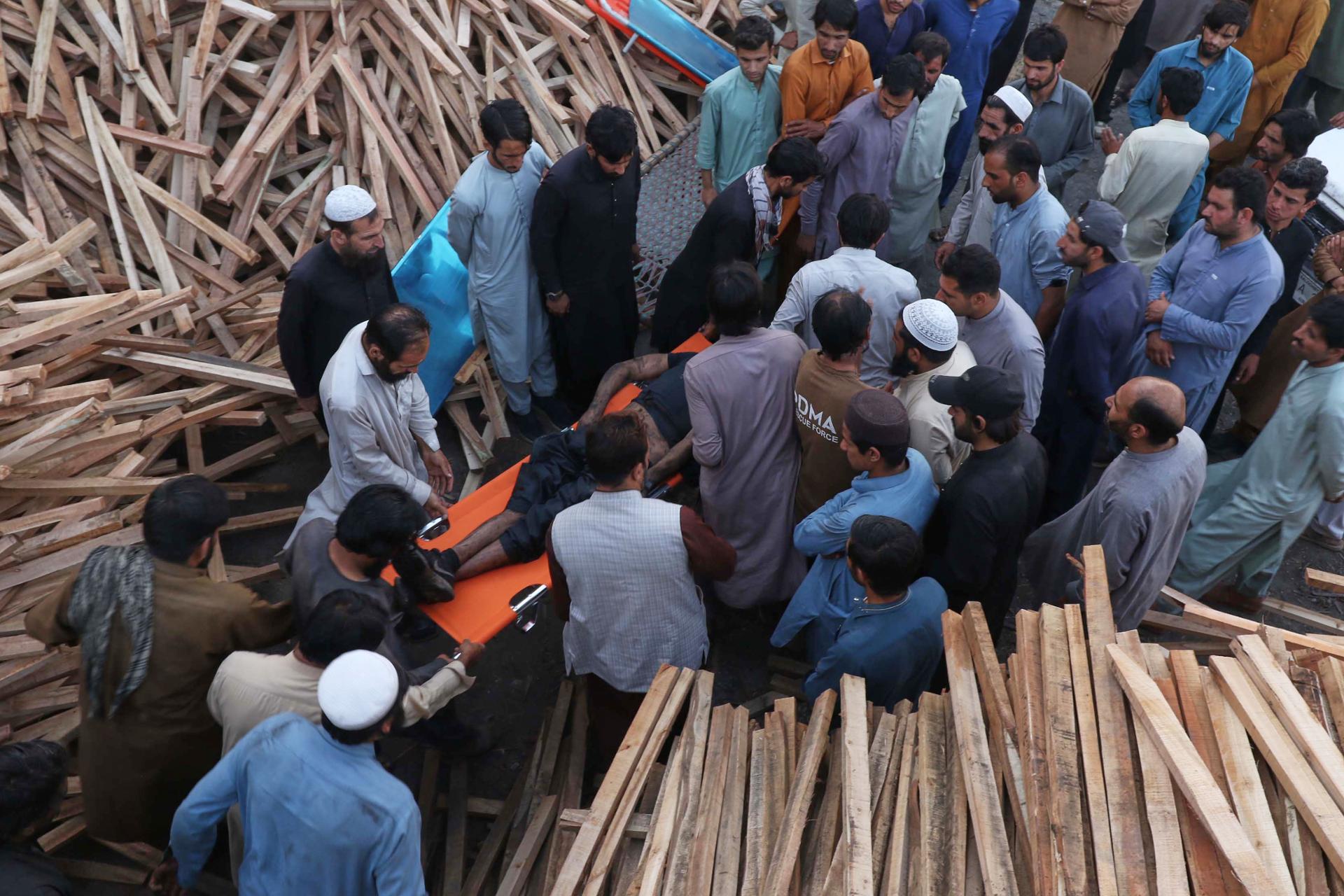
A methane gas explosion ripped through a coal mine in southern Pakistan on Thursday, killing at least 34 workers, according to the provincial disaster management authority.
The blast occurred near Quetta, the capital of Balochistan — Pakistan's largest and most resource-rich province — sparking a rescue operation that continued into the night and through the early hours of Friday.
"According to information received from the deployed teams, 34x Dead bodies have been recovered," southern Balochistan's provincial disaster management authority said in a statement issued early Friday.
"The joint rescue operation is still underway to locate and recover the remaining trapped miners," the authority added, without specifying how many workers were inside the mine at the time of the explosion.
The incident adds to a long history of mining accidents in Pakistan, particularly in Balochistan. Despite being rich in natural resources — including coal, natural gas, and minerals — the province remains Pakistan's poorest by economic indicators and lags behind the rest of the country in education, employment, and overall development. Balochistan is Pakistan's largest province by landmass, covering roughly 44 percent of the country's total area.
Pakistan's coal mining sector has long faced criticism over inadequate safety standards. Methane gas buildup is a recurring hazard in the country's coal mines, where proper ventilation systems and modern safety equipment are often lacking. Workers frequently operate in dangerous conditions with limited oversight. The industry is governed primarily by the Mines Act of 1923, a colonial-era statute that labor advocates have long argued fails to reflect contemporary industrial safety standards and enforcement mechanisms.
The blast on Thursday sent rescuers scrambling to the site on the outskirts of Quetta. Recovery teams worked through the night as they attempted to reach an unknown number of miners still believed to be trapped underground. The exact number of people working in the mine at the time of the explosion remains unconfirmed.
Pakistan's coal mining sector employs tens of thousands of workers across Balochistan and other provinces, supplying coal largely to brick kilns and small-scale industry. The province's coalfields, concentrated around Quetta in areas such as Sorange, Mach, and Degari, have been the site of repeated fatal incidents over the years — including gas explosions, tunnel collapses, and asphyxiation. Despite periodic government pledges to tighten enforcement following major accidents, rescue teams and mine inspectors remain under-resourced relative to the scale and geographic spread of mining activity across the province.
Source: The Korea Times

