Record-Sized Russian Convoy Navigates Northern Sea Route Eastbound
Key Takeaways
- •Approximately nine Russian-flagged tankers and containerships formed one of the largest convoys ever to navigate the Northern Sea Route, with the vessels successfully advancing into the Laptev Sea.
- •All identified vessels in the convoy are Russian-owned and Russian-flagged, a strategy consistent with Moscow's effort to sustain export revenues under the G7 price-cap regime that restricts Western maritime services.
- •Russia maintains a fleet of nuclear-powered icebreakers operated by Rosatom to facilitate NSR transit, a capability unmatched by any other nation at comparable scale.
- •Russia is escalating crude oil and LNG shipments to China through the Arctic corridor as it seeks alternative supply lines amid ongoing Western sanctions on energy exports.
- •NATO members and Arctic nations have expressed growing concern over the environmental risks and security implications of Russia's expanding military and commercial activity along the Northern Sea Route.
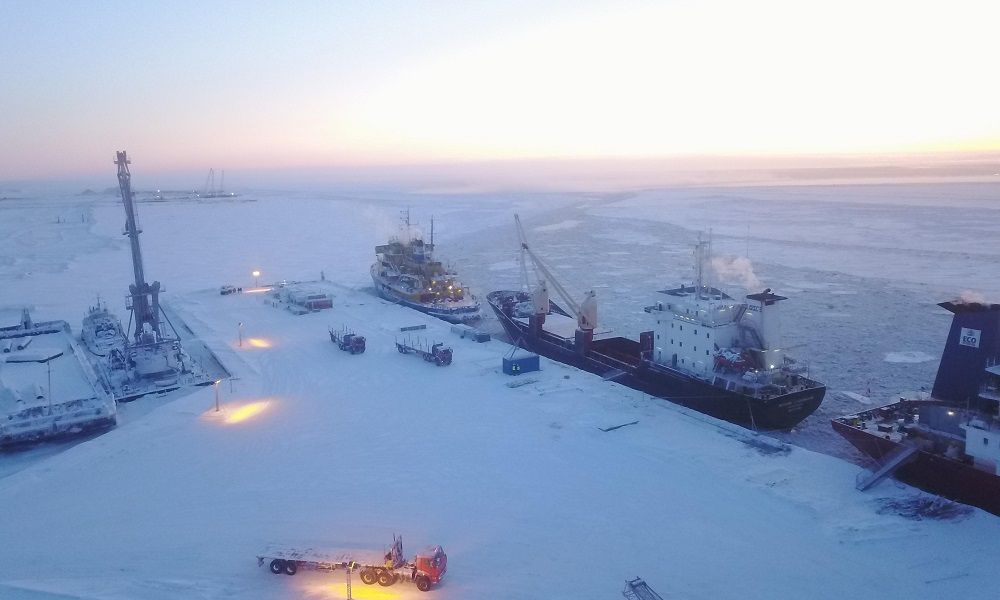
A record-sized Russian convoy is transiting eastward along the Northern Sea Route (NSR), positioning itself far beyond the operational range of Ukrainian drone attacks that have targeted Russian shipping in other regions.
The Northern Sea Route, which spans Russia's Arctic coastline from the Barents Sea to the Bering Strait, has gained strategic importance as Moscow seeks alternative trade corridors. The route significantly shortens the distance between European and Asian ports compared to the traditional Suez Canal passage. Reliable navigation along the NSR is generally concentrated between July and November, when seasonal ice retreat opens the passage for icebreaker-assisted transit.
According to news site The Barents Observer, citing publicly available MarineTraffic data, approximately nine tankers concentrated north of the Taymyr Peninsula at the start of the month, awaiting icebreaker escort for the eastbound passage. The gathering has emerged as one of the largest convoys ever to navigate the NSR.
Among the identified vessels are the 46,000 dwt Saga, built in 2006; the similarly sized Jupiter, built in 2009; and the modern aframax Vostochny Prospect, delivered in 2023. All three vessels are Russian-owned and Russian-flagged. The reliance on domestically flagged and insured tonnage aligns with Moscow's broader effort to sustain export revenues under the G7 price-cap regime, which restricts Western maritime insurance and shipping services for Russian crude sold above a set price threshold.
The wider convoy also included containerships, the largest being the 27-year-old, 2,135 TEU Tenda. The presence of containerships highlights the increasingly bold commercial use of the NSR, despite the route's notorious challenges, where weather conditions can deteriorate rapidly and sea-ice patterns remain unpredictable even during the summer navigation season. Russia has established official multi-year cargo volume targets for the NSR as part of its national infrastructure strategy, aiming to scale Arctic freight well beyond current levels.
Russia maintains a fleet of nuclear-powered icebreakers operated by Rosatom to facilitate NSR transit, a capability no other nation currently possesses at comparable scale. Moscow's dominance over Arctic shipping infrastructure has drawn increasing scrutiny from NATO members and other Arctic nations concerned about both the environmental risks and the security implications of expanding military and commercial activity along the corridor.
Vessel tracking services indicate the ships have now advanced into the Laptev Sea, successfully completing a significant stretch of the Arctic route. The transit comes as Russia continues to escalate crude oil and LNG shipments to China via the Arctic corridor, leveraging the NSR as a critical supply line amid ongoing Western sanctions on Russian energy exports.
Source: Splash247

