RBL Bank Mobilises $3.4 Billion Under RBI's FCNR(B) Swap Facility
Key Takeaways
- •RBL Bank mobilised roughly $3.4 billion under the RBI's special FCNR(B) swap facility as of August 31, 2026.
- •The bank has already lent $1.08 billion against these deposits, indicating the funds are being actively deployed.
- •The RBI facility allows banks to swap FCNR(B) deposits with the central bank at a concessional rate to attract diaspora dollar inflows and strengthen forex reserves.
- •The facility has attracted a total of $136.4 billion, with FCNR(B) deposits forming the largest share.
- •Major banks including HDFC Bank, ICICI Bank, SBI, PNB, Axis Bank, and Kotak Mahindra Bank have reduced FCNR(B) deposit interest rates.
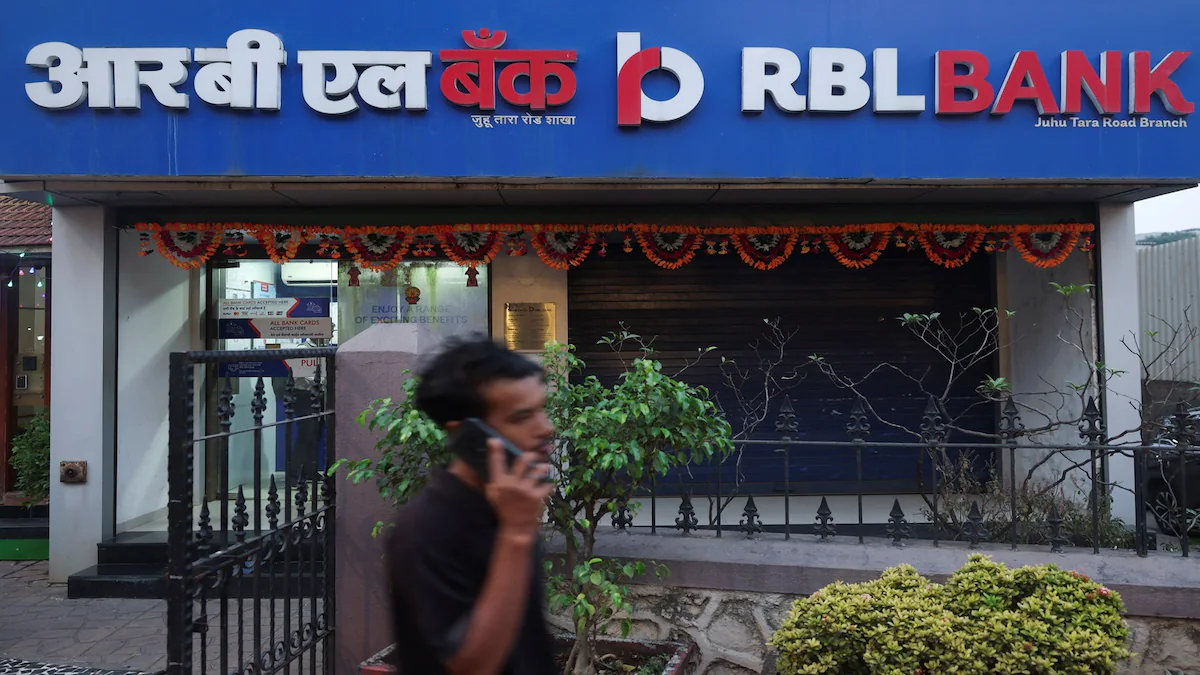
RBL Bank has mobilised approximately $3.4 billion under the Reserve Bank of India's special FCNR(B) swap facility as of August 31, 2026, with $1.08 billion already lent against these deposits. The lending against these deposits indicates the bank is beginning to deploy the raised funds rather than holding them idle, a factor relevant to how the facility translates into usable liquidity for the bank.
The special FCNR(B) swap facility, introduced by the RBI as a temporary window, allows banks to raise foreign currency funds through Foreign Currency Non-Resident (Bank) deposits and swap them with the central bank at a concessional rate. The facility was designed to attract dollar inflows from the Indian diaspora and bolster the country's foreign exchange reserves during a period of currency market pressure. India has used a comparable tool before: a similar FCNR(B) swap window in 2013, introduced amid rupee depreciation, had attracted around $34 billion in inflows at the time.
At the broader level, the facility has drawn a total of $136.4 billion, with FCNR(B) deposits accounting for the largest share of the inflows. FCNR(B) accounts permit non-resident Indians to hold deposits in foreign currencies such as the US dollar, with the exchange risk borne by the bank rather than the depositor, making them an attractive instrument during episodes of rupee volatility.
Following the strong mobilisation of funds under the facility, several major Indian banks, including HDFC Bank, ICICI Bank, State Bank of India, Punjab National Bank, Axis Bank, and Kotak Mahindra Bank, have reduced interest rates offered on FCNR(B) deposits. Rate cuts of this kind typically reflect banks having met their fundraising targets under the window, reducing the need to compete as aggressively for diaspora deposits, though the timing of any further adjustments will depend on each bank's funding position and the facility's remaining duration.
Source: CNBC-TV18

