Economic Analyst Warns 'Two Americas' Economy Could Undermine Trump and GOP in Midterm Elections
Key Takeaways
- •The annual inflation rate declined for a second consecutive month in July to approximately 3.4 percent but remains above the Federal Reserve's 2 percent long-term target.
- •Foroohar characterized the current economy as "K-shaped," with the top 10 percent of earners spending about 60 percent of total consumer dollars while lower-income households face mounting financial pressure.
- •Consumer sentiment surveys from the University of Michigan and the Conference Board have consistently reflected greater pessimism than headline growth and employment figures would suggest throughout the post-pandemic period.
- •Foroohar argued that inflation functions as a lagging indicator relative to how consumers actually feel, meaning it takes months for improving data to translate into eased household anxiety.
- •Voter frustration over cost-of-living pressures is already influencing midterm primary races, a dynamic Foroohar suggested could cost Republicans congressional seats in November.
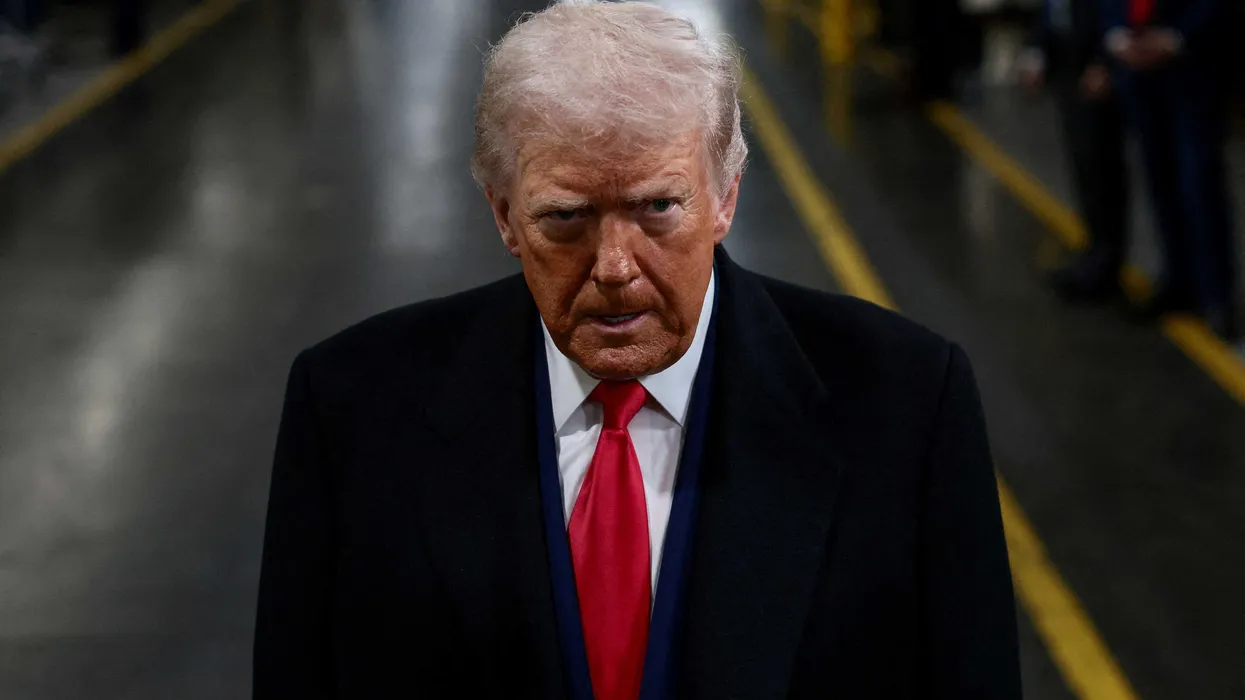
President Donald Trump's economic policies have produced a "two Americas" phenomenon, according to CNN global economic analyst Rana Foroohar, who cautioned that this divide could pose significant political risks for the Republican Party heading into the upcoming midterm elections.
Speaking during a Wednesday CNN segment hosted by Sara Sidner, Foroohar — also an associate editor at the Financial Times — discussed the latest inflation data. According to recent reports, the annual inflation rate eased for a second consecutive month in July, settling at approximately 3.4 percent. That figure, while down from multi-decade peaks reached in 2022, remains above the Federal Reserve's long-standing 2 percent target, leaving cumulative price increases from recent years embedded in household budgets even as the monthly trend improves.
Despite the downward trend, Sidner observed that many Americans "can't afford their lives" and pressed Foroohar on why the economic reality remains "so bad" for a large share of consumers. Foroohar responded by noting that inflation often functions as a "lagging indicator" relative to consumer sentiment, meaning official figures do not necessarily capture the day-to-day experiences of people buying groceries or filling their gas tanks. The gap between aggregate economic data and household sentiment has been a persistent feature of the post-pandemic economy, with consumer confidence surveys conducted by the University of Michigan and the Conference Board reflecting deeper gloom than headline growth and employment numbers would suggest.
"How do you feel sitting in your office? How do you feel when you drive past the gas station and see that price? How do you feel in the grocery store?" Foroohar asked. "And people have felt pinched for a long time, and it actually takes months after you begin to feel pinched and feel like, oh my gosh, I'm in a cost of living crisis. I can't afford my life. My house is too expensive. I have to think about medication costs. It takes a while for that feeling to abate. It's almost like a little bit of inflation PTSD, if you will."
Foroohar described the current economic landscape under Trump as "K-shaped" — a term economists use to describe a scenario in which the wealthiest consumers prosper and increase spending while the majority of the population continues to struggle. The framework gained wide currency during the pandemic recovery and has been cited across multiple administrations to describe divergent outcomes between asset-owning households and wage-dependent ones. This bifurcation, she argued, explains the apparent contradiction between widespread reports of a cost-of-living crisis and record-breaking travel spending.
"It's been the same answer for years now. It's the bifurcation," she said. "There really are two Americas. There is an America that, you're absolutely right, is waiting in Newark [Airport]. I just came from there and it's very crowded... It's August, people are traveling, actually. Travel is at a record, in fact... There are groups of people that have that money and can do those trips, that top 10 percent of the population, which is primarily what we're talking about, is spending 60 percent of the money in the economy."
She elaborated: "So you can look around and say, okay, restaurants are open, you know, things are happening, the economy is good. But the folks that are more towards the bottom in terms of wages, in terms of jobs, in terms of assets, maybe they don't have so much in the stock market. Maybe they don't own a home. They are not feeling good. They are feeling incredibly pressed."
These economic frustrations, Foroohar noted, are already evident in the midterm primary season, where voters have gravitated toward candidates who tell them, "we see you, we feel your pain." That dynamic, she suggested, could spell trouble for Republicans in November. Historically, the party controlling the White House has tended to lose congressional ground in midterm cycles, and persistently negative consumer sentiment has frequently amplified those losses, as was the case in 2010 and 2022.
"We've seen that movie before," she concluded.
