Raiffeisen Bank International to Bring Bitcoin Trading to 18 Million Customers Across Europe via Expanded Bitpanda Deal
Key Takeaways
- •RBI's group-wide agreement with Bitpanda enables bitcoin trading across its network of subsidiary banks on shared infrastructure, replacing the market-by-market integration approach used previously.
- •RBI chief executive Michael Höllerer attributed the rollout to growing demand for crypto assets in the bank's markets.
- •The initiative builds on a 2024 pilot in which RLB NÖ-Wien became the first traditional bank in the European Union to offer crypto trading within its existing banking environment using Bitpanda's technology.
- •Over the past 18 months, banks including BBVA, Santander's Openbank, Germany's cooperative and savings banks, SoFi, PNC, Charles Schwab, and Morgan Stanley have launched or announced retail crypto trading services, a trend RBI's rollout extends into Central and Eastern Europe.
- •RBI operates subsidiary banks in 11 countries across Austria and Central and Eastern Europe, serving about 18.8 million customers through roughly 1,300 branches.
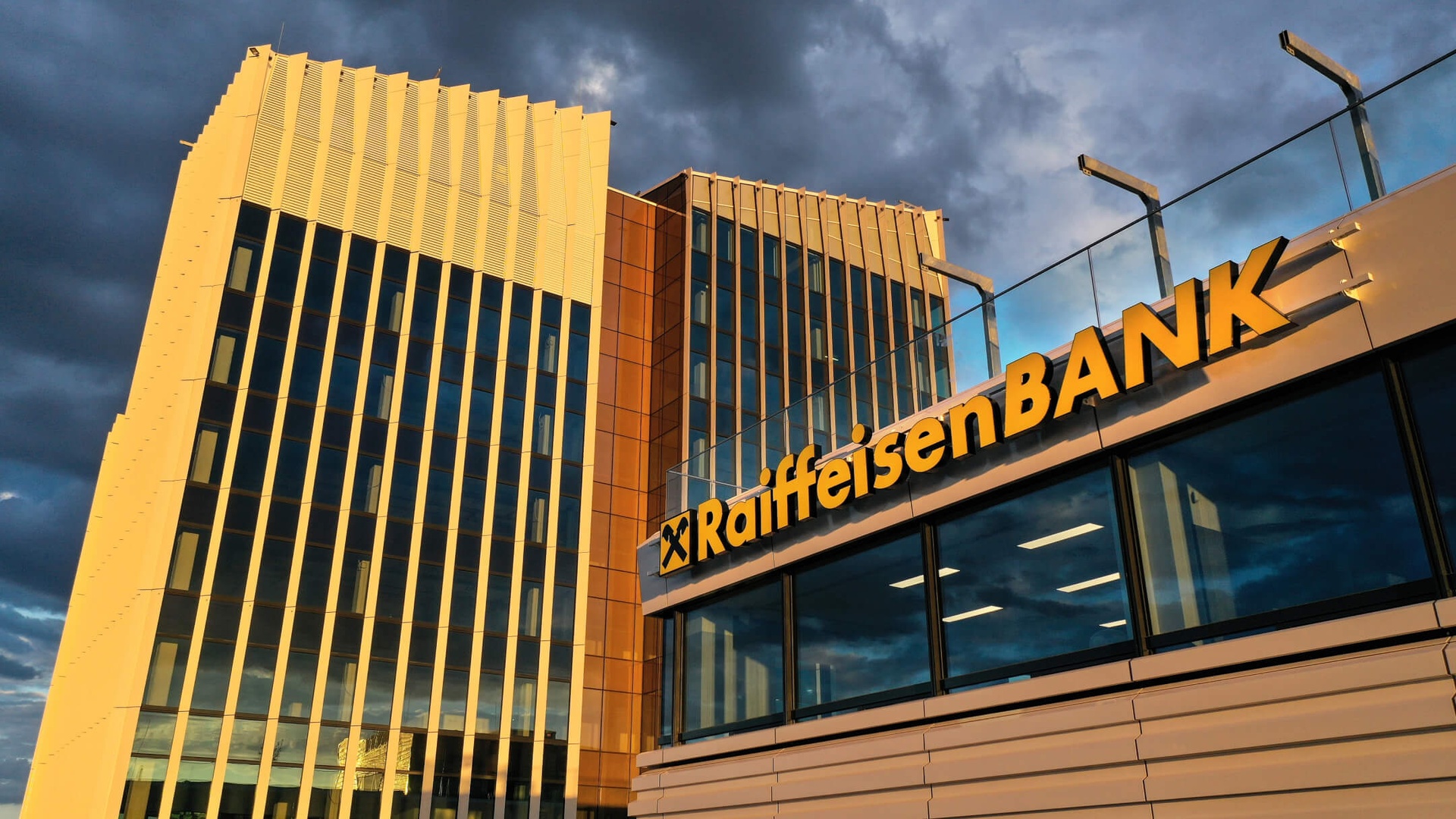
Austrian banking group Raiffeisen Bank International (RBI) is rolling out bitcoin trading to its roughly 18 million customers, deepening an existing relationship with brokerage Bitpanda.
The firm said in a statement on Wednesday that it is working with Bitpanda on the initiative. The full announcement is available on RBI's official press release page.
Raiffeisen's move comes amid a broader wave of crypto launches by major banks worldwide. Over the past 18 months, BBVA, Santander's Openbank, Germany's cooperative and savings banks, SoFi, PNC, Charles Schwab and Morgan Stanley have all either launched or announced retail crypto trading services. RBI's rollout extends the trend into Central and Eastern Europe, the region the bank treats as its home market.
RBI chief executive Michael Höllerer pointed to customer demand as the driving force behind the rollout.
“We are seeing growing demand for crypto assets in our markets, which we are addressing with a strong, reputable partner,” Höllerer said, adding that the bank is committed to “meeting our customers’ needs in the best possible way.”
The expanded deal builds on an arrangement that began in Austria. In 2024, Raiffeisen Landesbank Niederösterreich-Wien (RLB NÖ-Wien) became the first traditional bank in the European Union to offer crypto trading within its existing banking environment, using Bitpanda's technology.
Whereas that earlier phase relied on separate integrations negotiated market by market, the new agreement establishes a single approach for the entire group. That structure allows bitcoin trading to reach the bank's network of subsidiary banks on shared infrastructure, rather than through a fresh round of country-specific negotiations.
Through Bitpanda Enterprise, the company provides banks, fintechs, brokers, trading firms and family offices with the tools to offer digital asset products to retail and corporate clients. Its services include investment infrastructure, liquidity, custody, payments, stablecoins and tokenisation, with an emphasis on compliance and scalability.
RBI treats Austria and Central and Eastern Europe (CEE) as its home market, with subsidiary banks in 11 countries across the region. The group employs about 42,000 people serving 18.8 million customers through roughly 1,300 branches, most of them in CEE. Its shares trade on the Vienna Stock Exchange, and the regional Raiffeisen banks own about 61.2 per cent of the company, with the remainder in free float. Measured against the single-country pilot that started in 2024, the group-wide agreement puts the model in front of the bank's full regional customer base.
This article, written by Mathew Di Salvo, first appeared on Bitcoin Magazine.

