Qatar: Iran-Oman Hormuz Agreement Could Clear Path for Broader US-Iran Talks
Key Takeaways
- •Qatar says a bilateral understanding between Iran and Oman on the Strait of Hormuz is needed before wider U.S.-Iran negotiations can restart.
- •The talks center on maritime access through a key energy chokepoint that normally carries about one-fifth of globally traded oil.
- •Qatar says progress on Hormuz would make it easier for mediators to return Washington and Tehran to the negotiating table.
- •US-Iran negotiations remain stalled, with both sides holding firm positions on reopening the strategic waterway.
- •Qatar has a direct interest in the issue because it ships liquefied natural gas through Hormuz to global markets.
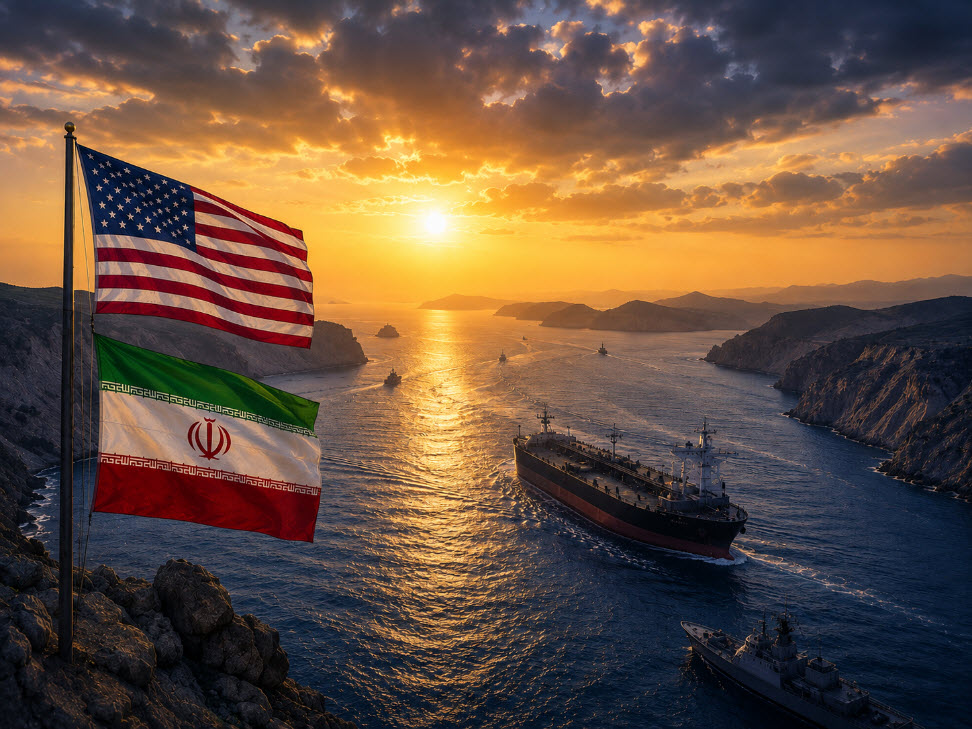
Qatar has indicated that Iran and Oman must first reach a bilateral agreement on the Strait of Hormuz before broader negotiations between the United States and Iran can resume, and it believes the prolonged stalemate is likely to keep the downside in oil prices limited.
Majed Al-Ansari, spokesperson for Qatar's Foreign Ministry, said the discussions between Tehran and Muscat have become a key step toward restarting the wider diplomatic process. The talks are focused on arrangements for maritime traffic through the strategic waterway, which has seen a dramatic decline in shipping since the US-Iran war began. The strait is one of the world's most important energy chokepoints, normally carrying roughly a fifth of globally traded oil through the narrow passage between Iran and Oman, which is why disruptions there ripple through global energy markets.
Al-Ansari added that an agreement over Hormuz would make it significantly easier for mediators to bring Washington and Tehran back to the negotiating table. Qatar has previously stressed that the priority is to restore normal navigation through the strait and to create the conditions necessary for a broader diplomatic agreement. Both Gulf states have long track records as intermediaries in the standoff: Oman has repeatedly served as a discreet channel between Washington and Tehran, including hosting the contacts that laid the groundwork for the 2015 nuclear deal, while Qatar has frequently positioned itself as a regional mediator.
The comments come as US-Iran negotiations remain stalled, with both sides claiming control over the strait. Iran has insisted that reopening the waterway is linked to broader issues, while the United States has made reopening the strategic passage a central demand. The outcome carries direct stakes for Qatar itself, as one of the world's largest exporters of liquefied natural gas ships its LNG through Hormuz to reach global markets, tying Doha's economic interests directly to the resumption of safe navigation.
According to the report, the prolonged stalemate will likely keep a lid on risk sentiment, as inflation risks remain skewed to the upside. However, once this risk is removed from the equation, risk assets are expected to see renewed upside momentum as concerns over inflation and Federal Reserve tightening ease.

