Putin Threatens to Seize European Ships in Escalation of Shadow Fleet Standoff
Key Takeaways
- •Putin warned that Russia would seize European ships in retaliation for EU confiscations of Russian shadow-fleet tankers, stating such actions could extend beyond the waters where European interceptions occur.
- •The EU's 21st sanctions package, adopted on July 23, added 41 vessels to its blacklist, bringing the total number of sanctioned shadow-fleet ships to 673.
- •European nations had seized nine suspected shadow-fleet tankers by late June, including four by France and one intercepted by British forces in the English Channel.
- •Russia's Pacific Fleet commander confirmed that Russian forces have the capability to inspect and detain vessels from countries Moscow considers unfriendly, including those operating under third-country flags.
- •A comprehensive U.S. sanctions bill targeting Russian energy revenues and the shadow fleet moved to the House after an overwhelming Senate vote, potentially empowering President Trump to impose tariffs on major buyers of Russian energy.
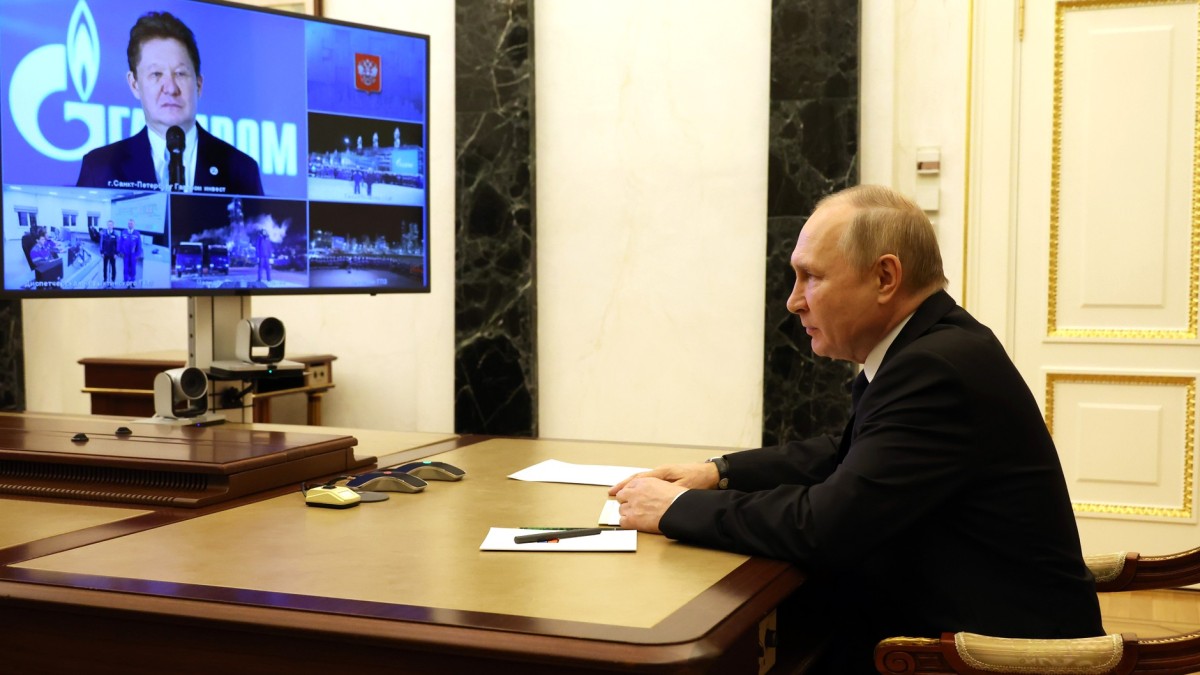
Russian President Vladimir Putin warned on Wednesday that Moscow would seize European ships in retaliation for EU actions against Russia's shadow oil fleet, raising the prospect of direct Russian interference with commercial shipping as Europe intensifies efforts to disrupt Moscow's crude exports, RFE/RL reported.
The so-called shadow fleet — hundreds of aging, often uninsured tankers operating outside Western regulatory and insurance frameworks — has become central to Moscow's ability to keep crude flowing to global buyers since the G7 imposed a $60-per-barrel price cap on Russian seaborne oil in late 2022. By using opaque ownership structures and non-Western insurance, these vessels have allowed Russia to sell crude above the cap while concealing the true buyers and transaction terms.
Putin stated that Moscow would "respond in kind" if European nations begin confiscating Russian vessels or selling cargo seized from detained ships. He further cautioned that Russian retaliation would not necessarily be limited to the same waters where European interceptions take place. Reuters independently confirmed the remarks.
"This is nothing less than piracy and robbery," Putin said while observing Russian Pacific Fleet exercises.
The warning follows the EU's 21st sanctions package, adopted on July 23, which added 41 vessels to the bloc's blacklist and brought the total number of sanctioned shadow-fleet vessels to 673. Brussels also broadened restrictions to include companies supplying bunkering and other services to the fleet, as well as entities acting on behalf of Russian oil producers.
European enforcement efforts have been building momentum. By late June, nine suspected shadow-fleet tankers had been seized across Europe, including four by France. In June, British forces intercepted the sanctioned tanker Smyrtos in the English Channel, according to Reuters. The interceptions also carry environmental stakes: several shadow-fleet incidents — including the breaking apart of the tanker Prestige off Spain in 2002, though predating the current sanctions regime — have long underscored the risks posed by poorly insured, aging vessels operating in congested European waterways.
Russia is now openly preparing its own maritime countermeasures. Pacific Fleet commander Viktor Liina informed Putin that Russian forces possess the capability to inspect and detain vessels belonging to countries Moscow designates as "unfriendly states," including ships operating under third-country flags, Reuters reported.
Putin's threat also comes just one day after a sweeping U.S. sanctions bill targeting Russian energy revenues and the shadow fleet moved to the House following an overwhelming Senate vote. The legislation would impose measures on vessels, owners, operators, insurers, and ports involved in transporting Russian oil, while granting President Donald Trump authority to levy tariffs on major purchasers of Russian energy.
By Charles Kennedy for OilPrice.com

