Baltic Dry Index Falls for Third Consecutive Session to 2,939 Points
Key Takeaways
- •The Baltic Dry Index dropped approximately 3.5% to 2,939 points on August 13, 2026, its third consecutive decline and lowest level since August 4.
- •The capesize segment led the losses with a 5.8% fall to 4,712 points, driven by softer demand on major iron ore and coal shipping routes.
- •The panamax index ended a ten-session winning streak, slipping 0.4% to 2,302 points, signaling a modest pullback in mid-size vessel demand.
- •The supramax index was the only category to gain, rising 0.2% to 1,603 points, supported by more diversified trade in commodities such as cement and fertilizers.
- •The BDI serves as a freight market barometer for dry bulk commodities but excludes containerized goods, crude oil, and LNG, limiting its scope as a global trade indicator.
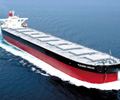
The Baltic Exchange's dry bulk freight index declined for a third consecutive session on Wednesday, August 13, 2026, dropping approximately 3.5% to 2,939 points — its lowest level since August 4.
The Baltic Dry Index (BDI) is a composite measure published daily by the Baltic Exchange in London. It tracks global shipping rates for vessels transporting dry bulk commodities such as iron ore, coal, grain, and other raw materials. The index combines rate assessments across multiple vessel size categories and is widely used as a barometer of demand for dry bulk shipping and broader commodity trade activity. Because the commodities it tracks feed industrial production, construction, and agriculture, the BDI is sometimes cited as a bellwether for global economic activity — though it reflects freight market supply and demand dynamics rather than the full breadth of global trade, as it excludes containerized goods, crude oil, and LNG shipments.
Capesize Segment Leads the Decline
The capesize index fell 5.8% to 4,712 points. Capesize vessels are among the largest dry bulk carriers, typically transporting cargoes of around 150,000 tons, including iron ore and coal. This segment often experiences the most pronounced rate swings due to the concentration of demand in large-volume commodity routes, particularly iron ore shipments from major exporters such as Australia and Brazil to steel-producing nations — notably China, the world's largest steelmaker and iron ore importer.
Panamax Index Snaps Ten-Session Winning Streak
The panamax index ended a ten-session winning run, edging down 0.4% to 2,302 points. Panamax vessels, named for being the largest ships able to transit the original Panama Canal locks, generally carry approximately 60,000 to 70,000 tons of cargo such as coal or grain. The prior ten-session advance had suggested steady demand on mid-size routes before Wednesday's modest pullback.
Supramax Index Posts Slight Gain
Among smaller vessel categories, the supramax index rose 0.2% to 1,603 points. Supramax carriers are mid-sized bulkers equipped with onboard cranes, enabling them to load and discharge cargo at ports without shore-based equipment. They commonly transport commodities such as cement, fertilizers, and steel products, serving a more diversified trade than the capesize segment.
Source: Trading Economics

