Sociologist Says Wealth and Privilege, Not Stardom, Are the 'Get Out of Jail Free Card' for Trump and Nvidia's Huang
Key Takeaways
- •Dr. Jessica Calarco, a sociologist at the University of Wisconsin-Madison, argued that the lack of accountability for figures like Donald Trump and Jensen Huang stems from 'privilege dependence,' where institutions financially tied to powerful patrons have little incentive to see them face justice.
- •Jensen Huang had been removed as Nvidia CEO after revelations of an affair with a Chinese spy that jeopardized national security, and Trump intervened to have him reinstated.
- •When interim CEO Colette Kress suggested Nvidia might pivot away from 'circular financing' — arrangements in which the chipmaker effectively funds the AI companies buying its chips — tech stocks fell, and Trump, holding tens of millions of dollars in Nvidia stock, acted to restore Huang, prompting a market rally.
- •Calarco's research found that families with even modest wealth and connections can persuade public school officials to bend rules, such as overlooking missed homework or admitting children to gifted programs, because educators fear repercussions from affluent parents.
- •It remains an open question whether Nvidia will actually follow through on shifting away from circular financing deals.
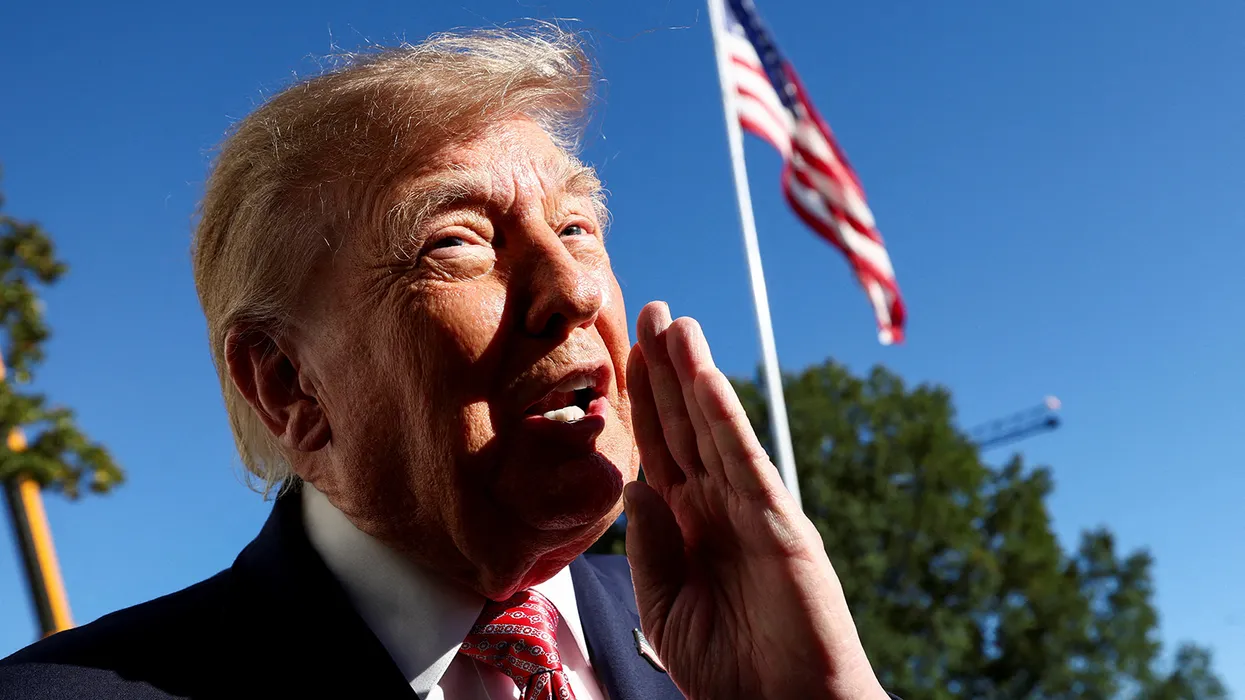
President Donald Trump's involvement in the Nvidia scandal has once again exposed how men like himself and Nvidia CEO Jensen Huang dodge accountability — and according to one researcher, the "get out of jail free card" at play has less to do with "stardom" and everything to do with wealth, privilege, and connections.
Dr. Jessica Calarco, a sociologist at the University of Wisconsin-Madison, published a new piece for MS NOW on Saturday morning analyzing the fallout from Trump's intervention to have Huang reinstated as CEO of Nvidia, following revelations about his affair with a Chinese spy that jeopardized national security. Alternet previously reported on the affair. Drawing on her own research, Calarco argued the episode further exposes how wealth dynamics shield men like Trump and Huang from genuine accountability.
"The lack of accountability for men like Huang and Trump, however, has less to do with stardom per se than with a dynamic that my research calls privilege dependence," Calarco explained. "You see, in the United States, a whole host of institutions — from political campaigns and start-up companies to nonprofit organizations and public schools — are so financially and reputationally tied to powerful patrons that they have little interest in seeing those patrons brought to justice when they run afoul of rules or laws."
She pointed to Nvidia as a case in point: "In Huang's case, for example, the whole stock market is hinging on the continued growth of the artificial intelligence industry, and Nvidia plays a central role in providing both the chips and the risky 'circular financing' that have made all that growth possible. And so, when interim CEO Colette Kress hinted that Nvidia might pivot away from those kinds of financing deals, tech stocks tanked, and Trump — who personally owns tens of millions of dollars in Nvidia stock — intervened to get Huang back at the helm, prompting a market boom to celebrate Huang's return."
"Circular financing" refers to arrangements in which a chipmaker effectively funds the AI companies buying its chips, with the money looping back to the supplier as revenue — the kind of setup Calarco flagged as risky. Whether Nvidia ultimately follows through on the pivot away from those deals that Kress hinted at remains an open question.
Calarco posed a central question: "Why aren't more Americans up in arms about the corruptness of a system where a sitting president can effectively appoint the CEO of a company in which he is a major investor?"
She offered two answers. First, she suggested that people with "modest privilege" want to see the wealthiest members of society get away with their transgressions, because it helps them avoid consequences of their own. Second, she argued that "in our current system, it doesn't take a huge amount of wealth or status to buy rule-breaking power."
Her conclusions draw on years of scholarship on privilege and inequality, reflected in studies published in American Sociological Review, American Journal of Sociology, Academy of Management Journal, and Economy and Society, as well as Oxford University Press books including Negotiating Opportunities and Despite the Best Intentions.
"I found in my own research that families with even modest amounts of wealth and social connections — enough to make a generous donation to a parent-teacher organization, for example, or to credibly threaten to hire a lawyer — are able to persuade even public school officials to bend the rules in their favor," Calarco detailed. That includes "convincing authorities to let it slide when their children forget to do homework or break playground rules — or by admitting their children into 'gifted' programs or advanced classes, even if they fall short of the qualification requirements."
She added: "Educators often feel morally murky about the unfair advantages that are granted to students from privileged backgrounds; yet, they worry about how a failure to keep those families happy will affect their schools and their jobs. In the public elementary school I studied, one fifth grade teacher recalled how he decided not to say or do anything when he learned that a student's mother was doing the homework for her son, because that mother — an affluent, white, PTO mom — had a history of lodging complaints against teachers and escalating those complaints if she did not get her way."

