Liverpool's £123m Bradley Barcola Deal Pushes Premier League Spending to £3bn
Key Takeaways
- •Premier League clubs have spent around £3bn this transfer window, about £100m short of last summer's record £3.1bn, with the window closing at 11pm tomorrow.
- •Liverpool completed a £123m deal for Bradley Barcola from Paris Saint-Germain, the most expensive signing by an English club this window and their third £100m-plus purchase in just over a year.
- •Manchester City's proposed signings of Enzo Fernandez, valued by Chelsea at £120m, and Cody Gakpo, reported at £85m, could determine whether a new spending record is set.
- •Manchester City signed Allan Elias from Palmeiras for £34m, while Nottingham Forest brought in Daniel Munoz from Crystal Palace for £22m.
- •Spending has continued despite PSR rules that cap losses and have led to points deductions for Everton and Nottingham Forest, making player sales increasingly important for compliance.
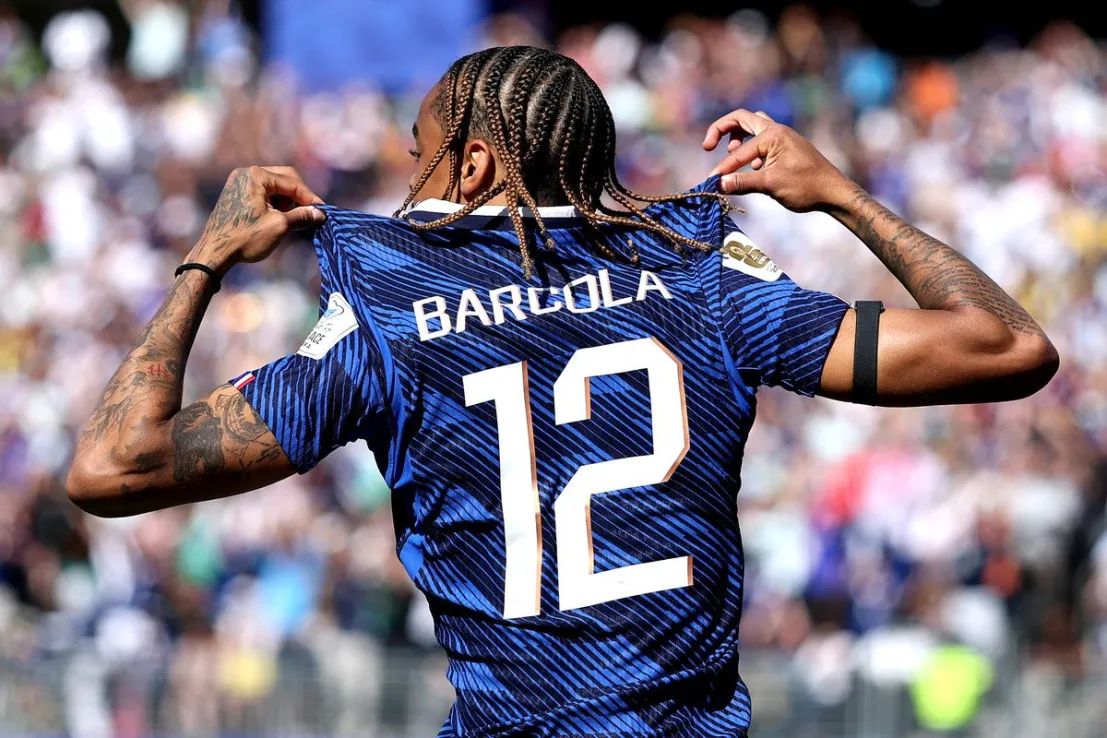
Premier League clubs are on course to challenge last year's record £3.1bn summer spending on deadline day, after Liverpool completed the £123m signing of Bradley Barcola.
England's top-flight clubs have already spent around £3bn during the current transfer window, which closes across Europe tomorrow night at 11pm. That figure leaves them roughly £100m short of the benchmark set last summer, when Premier League clubs demonstrated their collective financial muscle to an unprecedented degree. The sustained outlay comes despite the Premier League's profitability and sustainability rules (PSR), which cap club losses over a three-year period and have already led to points deductions for clubs including Everton and Nottingham Forest in recent seasons, placing a premium on balancing heavy spending with player sales.
Barcola, whose move from back-to-back Champions League winners Paris Saint-Germain was completed on Monday, is the most expensive signing made by an English club in this window. His arrival is the third time in little over a year that Liverpool have spent more than £100m on a single player, following last year's signings of Alexander Isak and Florian Wirtz. The deal also makes him one of the most expensive players in British transfer history, underlining how the very top of the market has continued to inflate even as clubs elsewhere in the division manage tighter budgets.
Elsewhere, Manchester City signed Brazilian winger Allan Elias from Palmeiras for £34m as a replacement for his compatriot Savinho, who joined Tottenham Hotspur last week. Nottingham Forest finalised a £22m deal for Colombia right-back Daniel Munoz from Crystal Palace, reuniting him with manager Oliver Glasner.
Among the deals that could yet push total spending past last year's mark are City's proposed double swoop for Enzo Fernandez and Cody Gakpo. Chelsea have placed a £120m valuation on Argentina midfielder Fernandez, while City's purchase of forward Gakpo from Liverpool is reported to be worth £85m. Whether those transfers materialise before tomorrow night's 11pm deadline is likely to determine whether this window sets a new Premier League spending record.
Deadline day set to be busy for Premier League clubs
Tottenham Hotspur and Everton could also be active on deadline day. The two clubs are discussing a transfer for Senegal winger Iliman Ndiaye from Merseyside to north London, along with a possible move in the opposite direction for Brazil forward Richarlison.
Everton have also shown interest in Monaco's USA striker Folarin Balogun, who was at the centre of a red card controversy at this summer's World Cup.
Liverpool, meanwhile, are set to sign 18-year-old Belgian goalkeeper Lucca Brughmans from Genk for £30m and are thought to remain in the market for a winger, particularly if Gakpo departs.
Ipswich Town and Leeds United both hope to strengthen their squads before the deadline, according to their respective managers Gary O'Neil and Daniel Farke.
Premier League clubs smashed through the £3bn spending barrier last summer, dwarfing the previous high of £2.4bn set in 2023, in anticipation of proceeds from improved central media rights contracts. Spending this year has been driven largely by Chelsea and Spurs, both eager to reverse their fortunes under new managers.
Manchester City and Newcastle United have also spent heavily, yet could still finish the window with a positive trading balance, having recouped significant sums through player sales — a pattern that has become increasingly important for clubs seeking to remain compliant with the league's financial rules.
