Major Trump Policies Held Back Until After Election Day, Commentary Warns
Key Takeaways
- •A commentary by retired New York Times senior editor Terry H. Schwadron in Alternet contends that speculation about post-election congressional leadership contests is diverting attention from Trump administration policies reportedly withheld until after Election Day.
- •The Pentagon has been ordered to move a new aircraft carrier group to the Middle East amid the possibility of renewed warfare in Iran, while Gulf nations negotiate with Iran to prevent fresh air attacks by the United States and Israel.
- •Ballot counting in some U.S. areas could continue for up to three weeks after Election Day under state rules governing mail and late-arriving ballots.
- •The reportedly delayed domestic agenda includes new measures against medical abortion and abortion-related travel, expanded Homeland Security anti-immigrant campaigns, and further cuts to health insurance coverage for people without job-based plans.
- •Trump maintains he can direct the military without congressional approval, and the lame duck session between Election Day and January is expected to be dominated by disputes over financing the war.
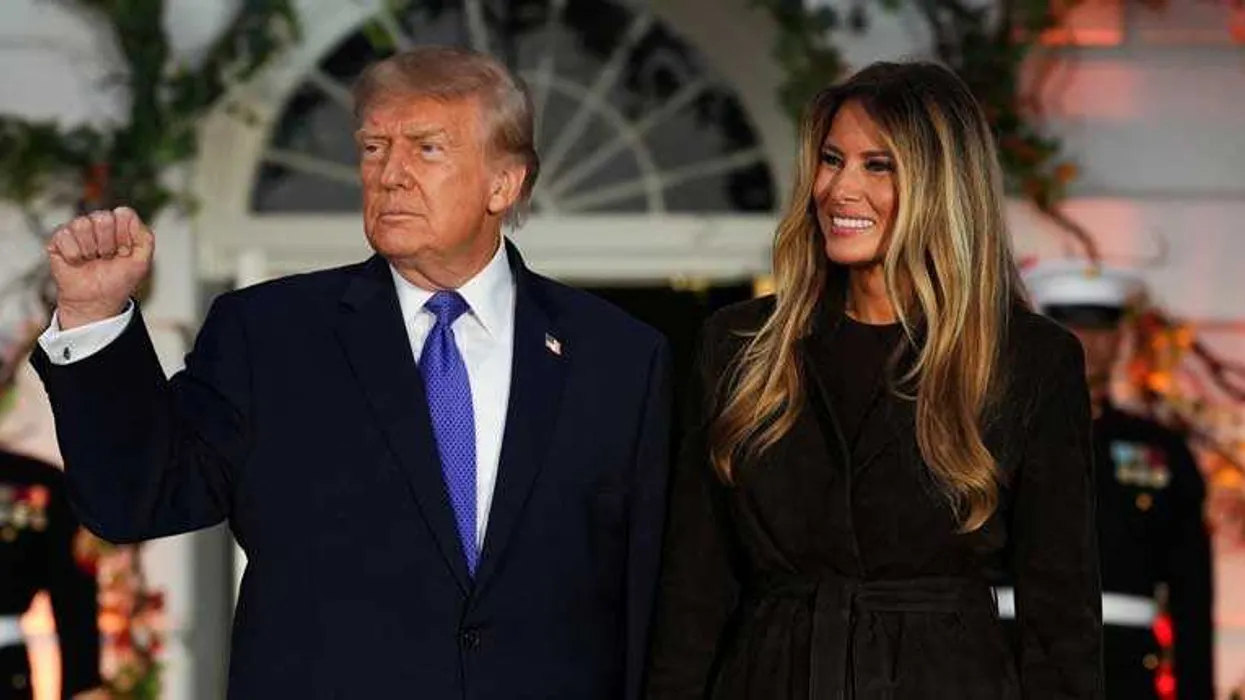
With early voting underway and Election Day set for Tuesday, political discussion in the United States has already turned to post-election scenarios — congressional leadership contests, the prospective Democratic agenda, and Donald Trump's anticipated "super lame duck" status — even as ballot counting in some areas could stretch to three weeks, reflecting the time state rules allow for processing mail and late-arriving ballots.
That is the central concern of a commentary — a form of opinion journalism in which the author argues a distinct viewpoint rather than neutrally reporting events — by Terry H. Schwadron published in Alternet, which argues that speculative coverage of post-election power struggles is crowding out attention to a set of Trump administration policies reportedly held back or delayed for execution until after Election Day.
Schwadron, a retired senior editor at The New York Times, questions the value of pre-election debate over whether Hakeem Jeffries can hold together a strategy-diverse caucus after the vote, or whether Chuck Schumer will return as Democratic Senate majority leader, given that many individual candidates have staked out positions for change.
Election-Related Warnings
At the same time, the commentary cites warnings about an election denialist Trump administration prepared to apply legal, financial, social, and political pressure to cast doubt on election outcomes. According to the column, the administration and its agencies have proven adept at filing lawsuits — however legally frivolous — to halt mail ballots, limit voters, close precincts, and lobby hard about the presence of non-citizen voters that no one else appears able to find in numbers sufficient to change an election outcome.
The commentary also notes warnings that the National Guard is gearing up for unknown reasons, fears that federal agents will seize ballots, and the prospect of numerous challenges to declaring winners in states where votes are close.
Meanwhile, headlines are filled with questions about which personalities will emerge more "powerful" if the anticipated Blue Wave hits this week and who will be left behind. Schwadron asks whether the identity of the House minority leader would even matter if Republicans lose their majority status.
Delayed Policies in Waiting
What may matter more ahead of Election Day, the author argues, are the administration policies that have been held back or delayed for execution once Tuesday passes — measures expected to increase pressure on housing and health, along with renewed warfare and foreign realignments that improve relations with Russia and China over protection of democracies in Europe and Asia. In the column's framing, that sequencing leaves voters to render judgment before the measures' real-world effects come into view.
Topping the list, according to the commentary, is the possibility or even probability of renewed warfare in Iran. The Pentagon has been ordered to move a new aircraft carrier group to the Middle East, diplomatic personnel and their families have been warned to evacuate in anticipation of retaliatory attacks, and Gulf nations are engaged in intensive negotiations with Iran to consider any options to forestall renewed air attacks from the United States and Israel.
Despite widespread criticism of an unsuccessful, continuing war situation in the region filling campaign ads and rallies, Trump is insisting he can do as he wants with the military, and that any attempt by Congress to approve or defund war efforts is beyond his consideration. The military, the column notes, is preparing for an order to renew conflict that may or may not come — with no assurance that bombing would result in Iran walking away from nuclear weapons aspirations, fully reopening the Strait of Hormuz, the narrow waterway between Iran and the Arabian Peninsula that carries a significant share of the world's seaborne oil, or abandoning proxy armies attacking Israel, Saudi Arabia, and Gulf nations working with the United States.
The upcoming lame duck session of Congress — the working stretch between Election Day and the seating of the new Congress in January — will, the author writes, be consumed with election vitriol over the war and whether to continue financing it.
Domestic Agenda
The delayed domestic agenda reportedly also includes new broadsides against medical abortion and other aspects of intrastate travel for abortion, a doubling down on Homeland Security anti-immigrant campaigns, and further cuts to health insurance coverage for those not covered through their jobs.
Schwadron also points to Trump's insistence on making the election about himself — "Pretend I'm on the ballot" — while reports from across the nation, urban and rural alike, describe the effects of high prices stemming from his tariff and war policies, and evidence of official corruption appears to multiply by the day.
Rather than focus on these issues, he writes, attention is being consumed by speculation about 2028 presidential candidates or the fate of Rep. Jim Jordan's ambition to replace Mike Johnson as head of House Republicans.
Looking Ahead
If this week's elections produce a decisive result and winners can actually be seated in January after vote challenges and certification fights, the new Congress will sort itself out quickly, the commentary concludes. If Democrats win, it will quickly become evident how much investigative work and policy effort on prices will be pursued.
In practical terms, the near-term markers are concrete: whether the carrier group completes its repositioning to the Middle East, what emerges from the Gulf-Iran negotiations, how the lame duck session handles war funding, whether counting and certification proceed on the timelines some areas have flagged, and whether the delayed domestic measures on abortion, immigration enforcement, and health coverage move once the voting ends.
The more effective course, Schwadron argues, is to focus on what lies directly ahead rather than speculate about personality clashes to come.
About the Author
Terry H. Schwadron retired as a senior editor at The New York Times, served as Deputy Managing Editor at The Los Angeles Times, and held leadership positions at The Providence (RI) Journal-Bulletin. He was part of a Pulitzer Gold Medal team in Los Angeles, and his team was part of several Pulitzer wins in New York.

