Polymarket Fires CMO Matthew Modabber After Fake-Trade Probe
Key Takeaways
- •Polymarket reportedly terminated Chief Marketing Officer Matthew Modabber after an internal investigation into marketing campaigns conducted during his tenure, according to the New York Post.
- •A staged promotion for a nonexistent fake trade drew CFTC scrutiny, and the review also examined influencer payments made through a personal PayPal account without clear sponsorship disclosures.
- •Modabber, who identified himself as Polymarket's 11th employee, had served as CMO since January 2024 and built a marketing program that helped lift daily volume from roughly $300,000 to the mid-nine figures.
- •In August, Polymarket raised $1 billion in a round led by 1789 Capital at a $21 billion post-money valuation, and investors including Founders Fund had urged the company to strengthen its financial checks.
- •Regulatory and legislative scrutiny of prediction markets is intensifying, with the CFTC monitoring the sector as Polymarket competes with the CFTC-regulated exchange Kalshi for mainstream demand.
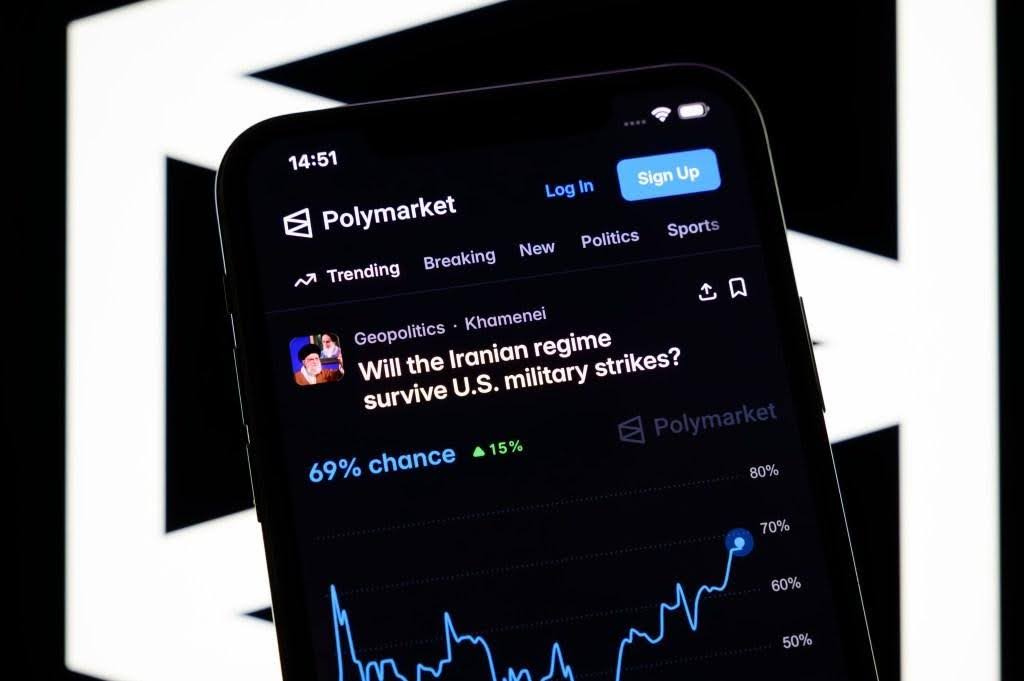
Polymarket has reportedly terminated its chief marketing officer, Matthew Modabber, following an internal investigation into several of the company's high-profile marketing campaigns, according to the New York Post, citing sources. One episode — a spurious promotion for a "fake trade" — has drawn scrutiny from the U.S. Commodity Futures Trading Commission (CFTC), the federal agency that regulates derivatives and event-contract markets.
The leadership change comes at a pivotal moment for the blockchain-based prediction market, which in August raised $1 billion at a $21 billion post-money valuation. Prediction markets let users trade contracts tied to the outcomes of real-world events, with prices reflecting what traders collectively expect the odds to be — a format that has drawn growing mainstream demand.
Exit Follows Marketing Controversies
Modabber, who had served as chief marketing officer since January 2024, was dismissed in the wake of the internal review, the New York Post reported, citing sources. The investigation examined promotional methods used during his tenure, including staged videos that suggested a user could make money through trades that did not actually exist.
Polymarket had previously stated that it was committed to maintaining accurate, fair and transparent markets and said it would review its promotional materials. The internal review also examined reports that influencers were paid through a personal PayPal account, in some cases without clear sponsorship disclosures, according to the New York Post. Under U.S. advertising rules, clear disclosure of paid promotions is a standard requirement for influencers.
Modabber Helped Drive Polymarket's Growth
On LinkedIn, Modabber identified himself as Polymarket's 11th employee and said he had built a marketing, growth and partnerships program that grew to more than 50 people and lifted daily volume from around $300,000 to the mid-nine figures.
His long-standing relationship with CEO Shayne Coplan reportedly made the decision a difficult one. The two knew each other in high school, and sources said Coplan had resisted earlier attempts to oust Modabber before finally agreeing to part ways. Neither Coplan nor Modabber has publicly commented on the report.
$21 Billion Valuation Raises the Stakes
The move marks a leadership shift at a critical time. In August, the prediction market raised $1 billion in a funding round led by 1789 Capital, giving the company a $21 billion post-money valuation. That valuation carries expectations that Polymarket will operate with the compliance, financial controls and governance of a large financial platform, rather than those of an early-stage crypto startup.
This week, Bloomberg also reported that investors including Founders Fund had previously urged Polymarket to strengthen its financial checks as it grew.
Scrutiny on Prediction Markets Keeps Building
Rapid growth has brought crypto prediction markets under an intensifying spotlight. Legislators have raised concerns about industry practices and potential insider trading in event-betting markets — contracts that let traders take positions on whether specific outcomes occur — and the CFTC is monitoring the sector.
Kalshi, a CFTC-regulated exchange for event contracts, meanwhile faces growing competition from Polymarket as the two platforms vie for mainstream demand. Who succeeds Modabber, and what the company chooses to disclose about its internal review, remain open questions. For Polymarket, Modabber's reported exit signals a shift toward tighter oversight as the company works to turn massive crypto-driven growth into a more mature financial-market business.

