Polymarket Takes €420,000 Dutch Gambling Fight to Court Over Crypto Prediction Markets
Key Takeaways
- •Polymarket has filed a lawsuit in The Hague to overturn the Dutch ban on its services and to contest the application of the country's gambling ban to crypto prediction markets.
- •The Dutch Gambling Authority imposed a €420,000 fine after concluding Polymarket blocked Dutch users too late, and the platform's appeal against the penalty was dismissed.
- •Polymarket argues its event contracts, which are settled in the USDC stablecoin and traded peer-to-peer, function more like derivatives and should be overseen by financial regulator AFM rather than the Ksa.
- •Dutch authorities maintain that peer-to-peer participation does not change the essential gambling nature of the product, and Dutch law restricts permitted bets to specified event categories.
- •Even a favorable classification ruling may not automatically restore Dutch access, since the AFM has restricted binary options trading for retail investors since 2019 and gambling regulation remains a national competence in the EU.
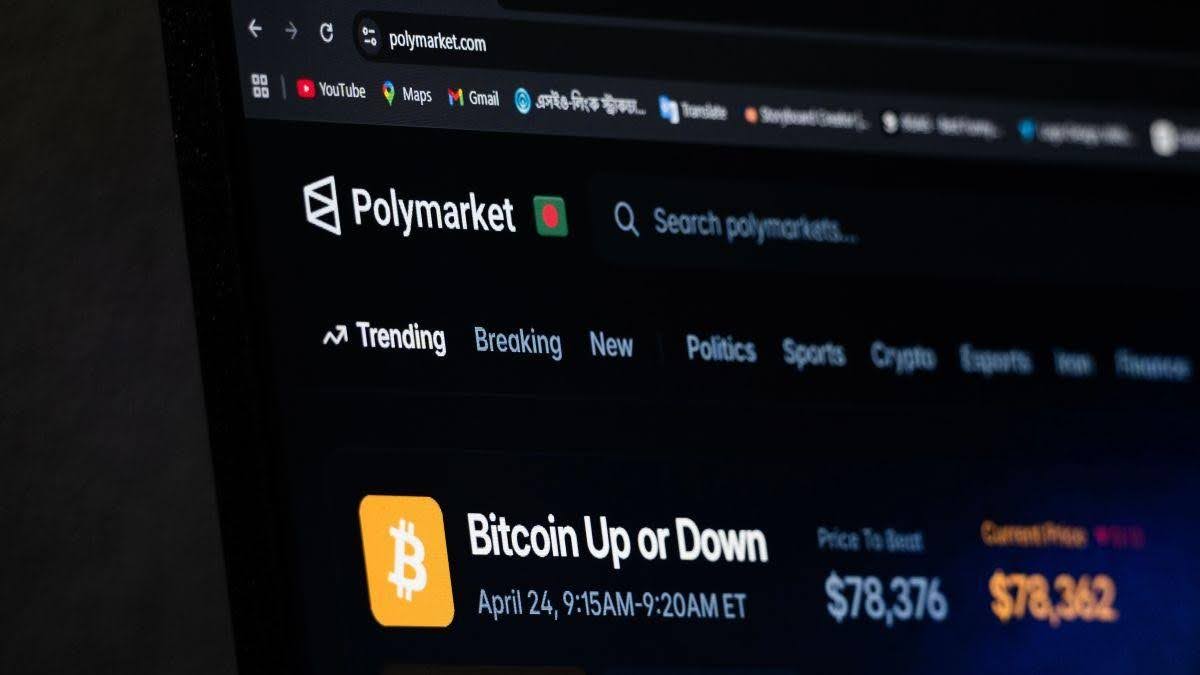
Polymarket, the crypto prediction market platform, is heading to court in the Netherlands to dispute orders issued by Dutch authorities and to challenge the way the country's gambling ban has been applied to crypto prediction markets. The case, reported by DutchNews, could shape how event-based crypto contracts are regulated in one of Europe's stricter gambling markets.
##ymarket Challenges Dutch Gambling Classification
Polymarket has filed a lawsuit in The Hague against the ban on its services. The fundamental issue in the case is whether contracts tied to real-world outcomes should be treated as gambles or as financial transactions. The answer will determine whether the platform answers to gambling regulators or to financial supervisors. The classification carries practical weight, too: gambling and financial regimes each come with their own licensing, conduct and consumer-protection requirements.
The Dutch Gambling Authority (Ksa) maintains that Polymarket operates as a game of chance without a licence. The platform counters that its buyers and sellers deal in contracts whose values depend on expectations of future events.
Contracts on the platform are won and settled in USDC, a stablecoin pegged to the US dollar that is widely used throughout the crypto markets. According to Polymarket, that structure looks more like derivatives trading than traditional betting, and the service should therefore fall under the oversight of the Netherlands' financial markets regulator, the AFM, rather than the Ksa.
€420,000 Penalty Raises the Stakes
In January, the regulator banned Polymarket from catering to Dutch users, and the ban was made public in February. The Ksa warned it would impose fines of up to €840,000 per week because the platform was operating without a permit.
Polymarket later blocked Dutch users on its own, but the regulator found that the company had acted too late. A €420,000 fine was subsequently imposed, and Polymarket's appeal against the penalty was dismissed.
The platform gained significant prominence in the Netherlands after investors poured millions of dollars into wagers on the country's general elections, scheduled for next October.
Crypto Prediction Markets Face a Regulatory Divide
Polymarket's legal approach highlights one facet of a broader classification question facing blockchain-based prediction markets: whether peer-to-peer event contracts are wagers or tradable financial instruments.
Unlike a gambling establishment, the platform allows customers to trade positions with one another. Prices move with the market, and traders can sell their holdings before a market closes. Polymarket maintains that these attributes give participants greater control than a standard gambling product, which is why it deems its contracts more akin to event derivatives.
The Dutch authorities are not convinced. In the Ksa's view, peer-to-peer participation does not change a product's essential gambling nature. Under Dutch law, permitted bets are also restricted to a number of specified event categories, with sports betting far more clearly defined.
For the same reason, even a granted gambling licence may not be a potent route for the platform to return to the country. Since 2019, the AFM has restricted binary options trading for retail investors, creating another hurdle for some event-based options to be treated as financial instruments. For Polymarket, that means a favourable ruling on classification alone would not automatically restore access for Dutch users.
Gambling regulation remains a national competence in the European Union, so the outcome would directly govern the Dutch market while other member states continue to apply their own frameworks. The court's answer will determine which regime — gambling regulation or financial-market supervision — governs Polymarket's event contracts in the Netherlands.

