Poll Finds One-in-Five 2024 Trump Voters Now Regret Their Choice, Threatening GOP Midterm Coalition
Key Takeaways
- •A Navigator Research poll found that one in five 2024 Trump voters now regret their vote, with 8 percent saying they would change their vote if they could.
- •Regret is notably higher among young voters aged 18-34 (30 percent) and roughly one-third of Black and Latino Trump voters, double the rate among white Trump supporters.
- •Trump regretters disapprove of his job performance at 74 percent and his economic handling at 77 percent, both above the national averages.
- •Nearly half of regretters (45 percent) cite the war with Iran as a main reason for regret, followed by prices and cost of living (43 percent) and healthcare cuts (38 percent).
- •The findings highlight young voters, independents, and Black and Latino Trump supporters as key groups both parties are likely to target in the 2026 midterm messaging.
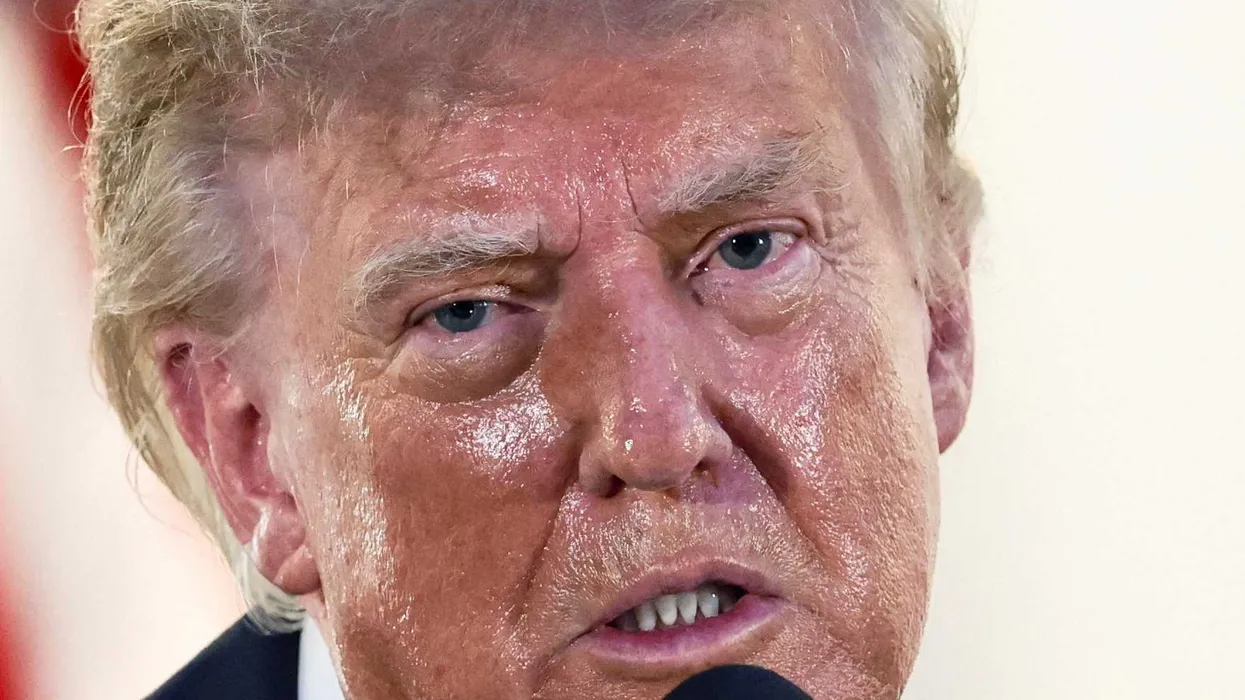
A new poll released Thursday points to mounting trouble for President Donald Trump and the Republican Party, as a substantial share of 2024 Trump voters now say they regret casting their ballot for him. A sizeable portion of these so-called "Trump regretters" also report being "less likely" to vote Republican in the future, fracturing a coalition the party is counting on with the midterm elections approaching. Midterm contests historically have favored the party out of power, and polls showing softening support among a president's own 2024 coalition are the kind of data both parties watch closely as they shape House and Senate strategies for 2026.
According to Navigator Research, "One-in-five Americans who voted for President Trump in 2024 now regret their choice." Navigator Research is a polling and messaging project associated with Democratic-aligned groups, a sponsorship that critics typically weigh when evaluating its findings.
These regretters fall into several distinct camps. The largest group consists of voters who backed Trump believing he would handle the economy better than the Democrats. Younger voters are turning away from the president in notable numbers: 30 percent of Trump voters aged 18 to 34 express regret, nearly triple the rate among Trump voters over 55 and well above those aged 35 to 54. Roughly a third of Black and Latino Trump voters report regret, double the rate among white Trump supporters. A quarter of independents and non-MAGA Republicans who voted for Trump fall into the regret camp, including 37 percent of independent men and 22 percent of Trump-voting mothers.
Trump regretters are also more likely than Americans overall to hold a negative view of the economy. As Navigator explains, "Americans across the board are souring on the economy and current administration, but this sentiment is especially shared by those who now feel remorse for their 2024 vote. Four-in-five (81 percent) Trump regretters rate the economy negatively, eight points higher than Americans overall (73 percent). Additionally, Trump regretters are feeling more down about their personal financial situations, with nearly seven-in-10 (69 percent) feeling uneasy, six points higher than Americans overall (63 percent)."
"All our prices have gone sky-high for necessities," said a white woman from Arizona who voted for Trump. "Our utilities have raised, our mortgage, the interest rates, the food in the grocery store. Everything has gone up except my wages, and it's making it harder and harder to make ends meet."
More broadly, Navigator notes, "Trump regretters are deeply dissatisfied with President Trump's second term so far. Three quarters (74 percent) of Trump regretters disapprove of President Trump's job performance, compared to 60 percent of Americans overall. Nearly four-in-five (77 percent) also disapprove of his handling of the economy, compared to 63 percent of Americans overall."
Regretters are sharply negative on a range of specific economic issues as well. According to Navigator, "83 percent disapprove of President Trump's handling of gas prices, eight points higher than Americans overall. 77 percent disapprove of President Trump's handling of healthcare, 15 points higher than Americans overall. 74 percent disapprove of President Trump's handling of foreign policy, 14 points higher than Americans overall. 83 percent disapprove of President Trump's handling of grocery prices, nine points higher than Americans overall."
As Navigator puts it, "Like Americans more broadly, Trump regretters want the president and Congress to focus on inflation and the cost of living, jobs and the economy, and healthcare. Instead, they see President Trump and Republicans in Congress prioritizing foreign conflicts and immigration, rather than helping Americans make ends meet." That mismatch between voter priorities and perceived legislative focus is a gap Republican strategists will likely have to address if they hope to keep these softening voters in the coalition.
"The main [disappointment] to me would be the focus and the promise on getting rid of inflation," said one Georgia Trump regretter. "That's very disappointing because we're all still struggling." Another voter from Nevada said, "[Trump] stated you'll see prices go down in the grocery store because inflation's under control … No. If anything, things have become more expensive."
Regretters cite several key reasons for their disappointment. Thirty percent point to broken promises, 27 percent say they dislike the war, and 25 percent cite the cost of living. Others described Trump as a bad person who "only cares about himself" and said he "has made things worse generally." According to Navigator, "Nearly half (45 percent) cite the war with Iran as a main reason for regret, as well as prices and the cost of living (43 percent), healthcare cuts (38 percent), and focusing on the wrong priorities like the White House ballroom (36 percent)."
"I feel really duped," said one Trump voter from North Carolina. "I voted for him because I was expecting him not to go to war. And then he's going to war everywhere and in America."
The findings pose a challenge for Republicans already concerned about their prospects in the midterms. According to Navigator, "Nearly one-in-10 (8 percent) Trump voters say they no longer support President Trump and would change their vote if they could. This includes 26 percent of Democratic or Independent Trump voters and 12 percent of non-MAGA Republican Trump voters who would now change their vote." How much of this expressed regret translates into actual vote defections in 2026 will not be clear until ballots are cast, but the numbers identify the voter groups—young people, independents, and Black and Latino Trump supporters—where both parties are likely to concentrate their messaging.

