Polish Parliament Fails to Override Presidential Veto of Crypto-Asset Market Act
Key Takeaways
- •The Sejm failed for a third time to overturn President Nawrocki's veto of the Crypto-Asset Market Act, reaching 241 of the 266 votes required for a three-fifths majority.
- •Poland's failure to enact the MiCA-transposing law leaves domestic crypto firms without a local licensing pathway, pushing them toward regulators in other EU member states.
- •The vote followed a corruption probe tied to Zondacrypto, which allegedly stole up to $94 million in customer funds, with Polish Olympic Committee President Radosław Piesiewicz detained in connection with the investigation.
- •Prime Minister Tusk accused representatives of Nawrocki's party of colluding with Zondacrypto and elevating its former CEO, Przemysław Kral, to celebrity status.
- •President Nawrocki has vetoed the legislation three times, previously warning about its effects on Poles' freedom and stability.
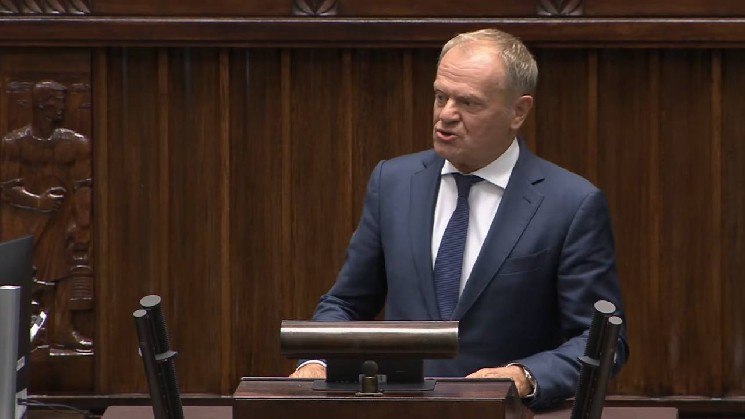
Poland's parliament, the Sejm, has failed in its third attempt to overturn President Karol Nawrocki's veto of the Crypto-Asset Market Act, leaving the country's cryptocurrency regulation in limbo amid a national scandal surrounding the collapse of Zondacrypto, Poland's largest local cryptocurrency exchange.
Prime Minister Donald Tusk had called last month for a revision of the act, which President Nawrocki has vetoed three times. The president previously warned the public about the legislation's effects on Poles' freedom and stability. Commenting on the situation, Tusk said he "could no longer imagine that President Nawrocki, Chairman Kaczyński, and former Prime Minister Morawiecki would reject this problem with such incredible lightness."
On Thursday, at Tusk's urging, the Sejm added the issue to its working agenda, allowing limited discussion, according to official reports. A vote followed on Friday, in which the initiative fell short of the support required to override Nawrocki's veto, reaching only 241 of the 266 votes needed. Overriding a presidential veto in Poland requires a three-fifths majority of the Sejm's 460 members, a threshold Tusk's governing coalition has repeatedly been unable to reach without support from opposition lawmakers.
The failed motion marks the third time the Sejm has been unable to overturn the presidential veto of this crypto law. As a result, Polish crypto operators continue to face a difficult path to complying with the European Union's Markets in Crypto Assets (MiCA) framework, including registering their activities in other jurisdictions before operating. MiCA, which took full effect across the EU at the end of 2024, requires crypto-asset service providers to obtain authorization from a member-state regulator, and Poland's failure to enact the transposing legislation leaves domestic firms without a functioning local licensing pathway, effectively pushing them toward regulators in other member states while the standoff continues.
The vote comes in the wake of a corruption probe involving government officials connected to Zondacrypto, a national exchange that stole up to $94 million in customer funds. Polish Olympic Committee President Radosław Piesiewicz was detained in connection with the investigation. The scandal has sharpened political pressure on all sides, as Tusk pushes to demonstrate regulatory resolve while the opposition faces accusations over its ties to the failed exchange.
Tusk sharply criticized representatives of Nawrocki's party, accusing them of colluding with Zondacrypto and turning Przemysław Kral, Zondacrypto's former CEO, into a local celebrity.
"In a sense, those who opened the door to the man behind Zonda Crypto—that is, you—very specifically: you, who brought him into the mainstream; who made Zondacrypto the de facto owner of the Polish Olympic Committee," Tusk declared while addressing the Sejm.
"Zondacrypto infiltrated the Polish state—it infiltrated the Polish state for a long time and without hindrance—because leading politicians from your party guided this company and its owners to the very highest echelons of power," he concluded.
