Former Obama aides say midterms could deliver 'even bigger blue wave than 2018'
Key Takeaways
- •A New York Times/Siena College poll shows Democrats holding a 9-point lead over Republicans on the generic ballot among likely voters ahead of the 2026 midterms.
- •Nate Silver's polling average gives Democrats a 7.5-point advantage, the largest of the 2026 cycle so far, while the Cook Political Report projects a 2-point Democratic edge across the 37 most competitive House districts.
- •Dan Pfeiffer says Democratic enthusiasm is running a few points higher than in 2018, when Democrats flipped 40 House seats despite strong Republican turnout.
- •Trump's strong approval among Republicans has fallen 20 points from Election Day 2018, and his strong approval among all voters has been cut in half compared with that year.
- •Trump's approval rating among independents has dropped to 27 percent in the new New York Times poll, down from the mid-to-low 40s in 2018.
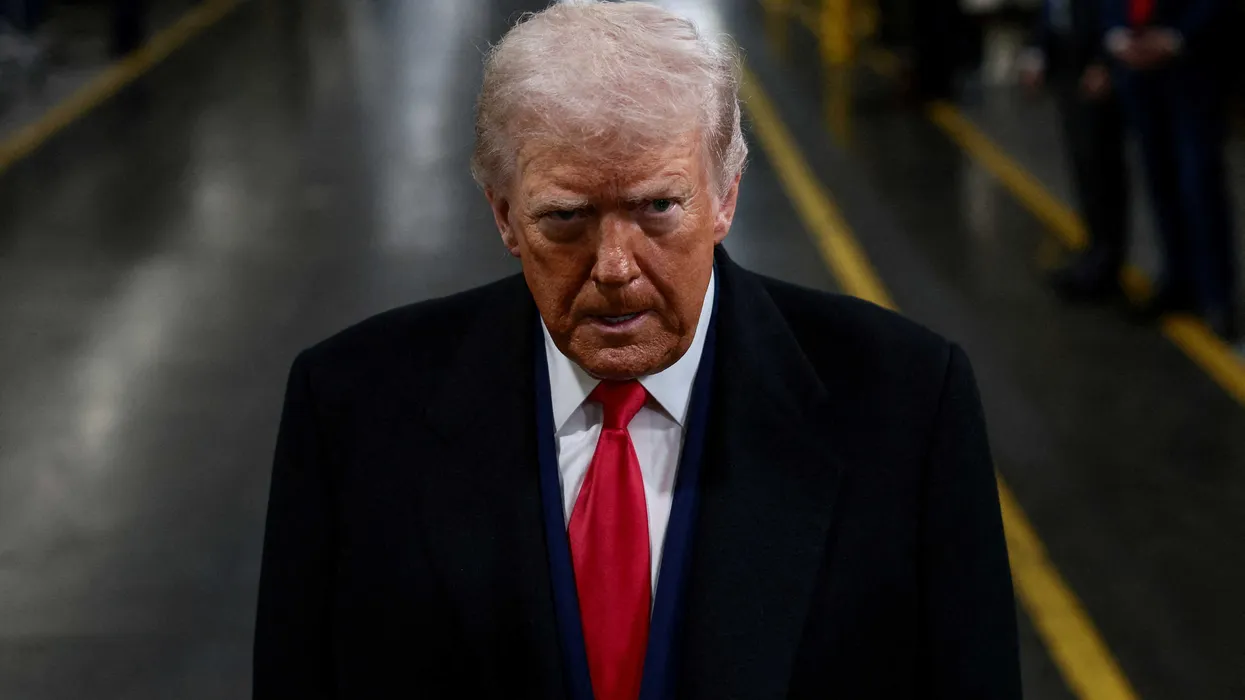
President Donald Trump and the Republican Party are widely understood to be facing a difficult political environment heading into the 2026 midterm elections, but the political experts at Pod Save America argue that the picture is even worse for the GOP than it appears — and could produce an "even bigger blue wave than 2018."
The elections, set for November 2026, will determine control of Congress, with all 435 House seats and roughly a third of the Senate on the ballot — and the president's party has historically lost House seats in nearly every midterm since World War II.
On the latest episode of the Pod Save America podcast (https://www.youtube.com/watch?v=tU74OObjp2A), hosts and former Obama administration officials Jon Favreau and Dan Pfeiffer examined the most recent polling and the grim outlook it presents for Republicans in the midterms.
As Favreau laid out, a new poll from The New York Times and Siena College — widely regarded as one of the most reputable surveys in the industry — gave Democrats a 9-point lead over Republicans on the generic ballot among likely voters, a standard survey question asking which party voters would support in congressional races.
Those findings arrived amid what Favreau described as an "avalanche" of other poor numbers for the GOP. He cited pollster Nate Silver's polling average, which showed Democrats with a 7.5-point lead — the highest of the 2026 cycle so far — along with a new analysis from the nonpartisan Cook Political Report that gave the party a 2-point advantage across the 37 most competitive House districts.
Pfeiffer, a former senior communications director for Barack Obama and a polling specialist, said many in the political world may still be underselling how favorable the environment has become for the opposition party as it looks to retake majorities in Congress.
"Sometimes the larger political world is understating how good this political environment is," Pfeiffer said. "Like, it is true that you look at the polling and you look at Silver's average, that the generic ballot nationally is about where it was in 2018, [when] we picked up 40 seats. But if you look at the other fundamentals ... measurements that dictate elections, they show that this could end up being an even bigger blue wave than 2018."\nHe noted that Democratic enthusiasm is running a few points higher than in 2018, when Democrats flipped 40 House seats to reclaim the chamber's majority even though Republican turnout was strong. "It's worth remembering that even in 2018, when we won all the seats, Republican turnout was quite high. Republicans were fired up. We just turned out at a higher rate. Now, Republicans are disenchanted," he said.
Pfeiffer pointed to Trump's approval numbers as further evidence. The president's strong approval among Republicans is down 20 points from Election Day 2018, while his strong approval among all voters has been cut in half compared with 2018, and his strong disapproval has climbed by seven to 10 points.
"And so this shows that Trump was polarizing on both sides before, where he fired up Democrats and Republicans," Pfeiffer said. "Now he fires up Democrats more."
He added that Trump's approval rating among independents, which stood in the mid-to-low 40s in 2018, sits at 27 percent in the new New York Times poll.
"So, look at what you have going on here. You have really fired up Democrats, disenchanted Republicans and independents furious at the incumbent party," Pfeiffer said. "That is a recipe that, if we can deliver ... sets up very, very well for Democrats."
The analysis was first published by Alternet (https://www.alternet.org/trump-midterms-blue-wave-polling/).

