Phygitals Launches Tokenized One Piece Magazine on Solana
Key Takeaways
- •Phygitals said the release is a tokenized version of a One Piece magazine issued as an on-chain asset.
- •One Piece is the best-selling manga in history and gives the drop access to a large global fanbase.
- •The launch is built on Solana, which Phygitals uses for its collectibles infrastructure.
- •Low transaction fees and fast settlement on Solana are intended to reduce friction for minting and trading.
- •The release is being viewed as a test of tokenized publishing, but its broader significance will depend on follow-on drops and secondary-market activity.
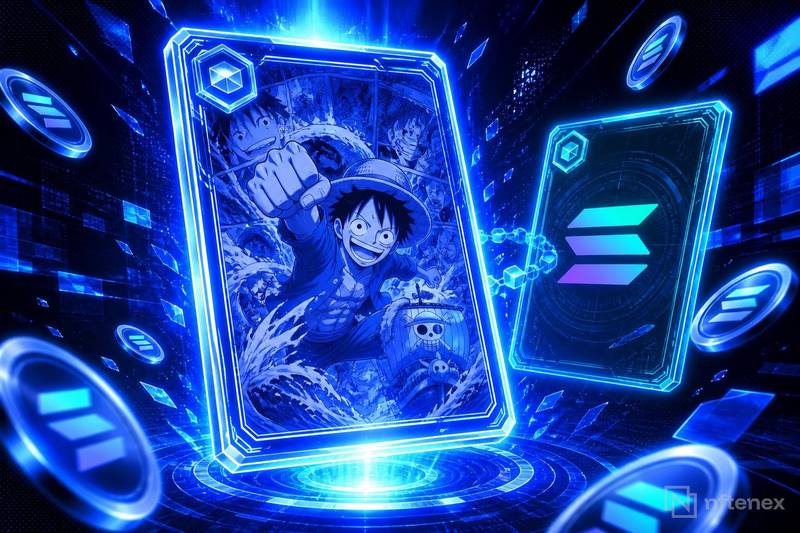
What Phygitals launched and why it matters
The launch was announced in Phygitals’ own post on X, which describes the release as a tokenized version of a One Piece magazine rather than a traditional print run. For related coverage, see Bitcoin Tests $80,000 Supply Wall Near ETF Cost Basis.
In this context, a tokenized magazine means the collectible is issued as an on-chain asset. Ownership, provenance, and transferability are recorded on the blockchain rather than existing only through a physical copy, allowing a printed or digital publication to carry a verifiable digital counterpart. For related coverage, see US Government Bitcoin Wallet Move Tied to Alameda Sparks Sell-Off Fears.
One Piece is the central draw. The long-running Eiichiro Oda pirate saga is the best-selling manga in history, holds a Guinness World Record for copies published of a single comic series by one author, and has cumulative circulation reported in the hundreds of millions. Linking the drop to a franchise with a large, established global fanbase is what makes the release notable for NFT and digital-media audiences, as it tests whether recognizable entertainment intellectual property can drive demand for tokenized publishing instead of standalone PFP art. That test also arrives in a much smaller market than the one that produced the 2021–2022 NFT boom, with trading activity having contracted sharply since that peak. For related coverage, see XRP ETF Volume Hits Record High as Ripple RLUSD Tops $2B.
Why Solana was chosen for the release
The release is built on Solana, the same chain Phygitals uses across its collectibles infrastructure. The company’s technology overview documents its Solana-based approach to issuing and managing tokenized items. For related coverage, see Crypto Traders Brace for Kevin Warsh's Jackson Hole Speech.
Solana has been positioned as consumer-facing infrastructure for low-cost, high-throughput drops, an approach Solana itself describes in its writeup on tokenized cards and physical collectibles. Low transaction fees and fast settlement matter when a launch targets fans who may be new to crypto, because friction at mint or transfer is often what turns mainstream buyers away. For related coverage, see 2 Major Ripple (XRP) Updates: Mastercard Involvement, ETF Changes.
For a franchise-scale audience, that chain choice is as much a distribution decision as a technical one. Cheaper and faster minting expands the pool of collectors who can realistically claim, hold, or trade the item without prohibitive costs.
What this could signal for tokenized media
Tokenized publishing points to new ways of packaging access and collectible value, allowing a magazine to function as both readable media and a tradable, ownable asset. That blend is the core experiment in phygital collectibles, where a physical object and its on-chain record travel together.
Licensed-IP digital collectibles are not new: Marvel and DC have sold digital comics and statues through the VeVe app since 2021, and Nike’s RTFKT studio, acquired in December 2021 at the height of the NFT boom, became one of the most prominent phygital experiments before Nike wound it down in late 2024. Those precedents show that major entertainment and sportswear brands have pursued tokenized collectibles at scale, and also that such programs are not guaranteed to continue.
For publishers and brands, a branded magazine drop is a relatively low-stakes way to test fan engagement and secondary-market interest without restructuring an entire catalog. It gives collectors verifiable ownership of a licensed item, although the durability of that value depends on demand that a single release cannot establish.
The caution is warranted. One launch from one project, even when tied to a franchise as large as One Piece, is a data point rather than a trend, and its significance will only become clearer if follow-on drops and real secondary activity emerge.
Disclaimer: This article is for informational purposes only and does not constitute financial or investment advice. Cryptocurrency and digital asset markets carry significant risk. Always do your own research before making decisions.
