PG&E Launches SHARE Virtual Power Plant Program Using Home Batteries and Heat Pumps
Key Takeaways
- •PG&E is deploying the SHARE virtual power plant in Bay Area communities with partners including Rewiring America, Google, Carrier, Tesla, Sunrun and Renew Home to meet growing electricity demand.
- •Nearly 21,000 existing customer-owned flexible energy devices will be enrolled through Tesla, Sunrun and Renew Home, with grid support expected as early as fall 2026.
- •Carrier is the launch partner for new deployments, supplying battery-enabled heat pumps that shift heating and cooling load away from peak demand hours.
- •Google is fully funding the program, meaning no program costs fall on ratepayers, reflecting corporate interest in securing grid capacity amid data-center-driven demand growth.
- •The program runs through 2027, with initial findings due in late 2026 or early 2027 to determine whether the model can be scaled more broadly or adopted by other utilities.
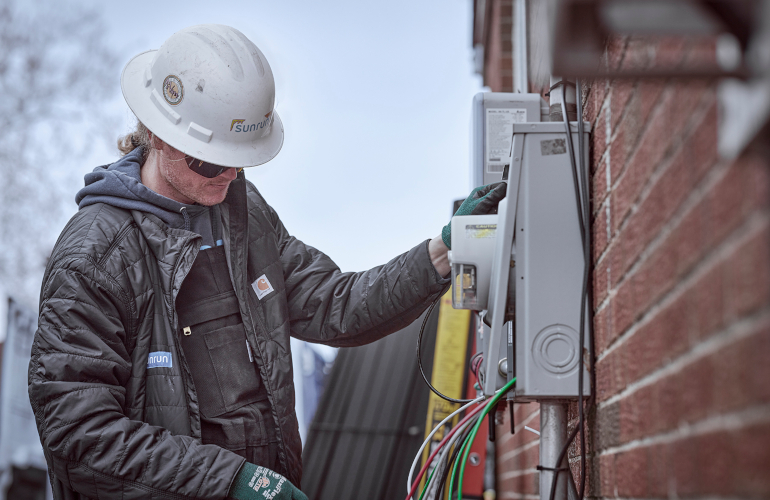
Pacific Gas and Electric Company (PG&E) has launched a large-scale virtual power plant (VPP) program called SHARE (Smart Home Assets for Reliability and Efficiency).
The California utility is deploying the new VPP in Bay Area communities together with Rewiring America, Google, Carrier, Tesla, Sunrun, Renew Home, Demand Side Analytics, encoord and other partners. SHARE combines the enrollment of existing home energy devices with the regional deployment of privately funded new electrification technologies to address growing electric demand.
Virtual power plants work by networked aggregation of distributed energy resources, such as home batteries, rooftop solar, thermostats, and electric heating and cooling equipment. Software orchestrates these devices so they can reduce or shift consumption, or discharge stored energy, during periods of high grid stress, functioning collectively like a dispatchable power plant without new central-station generation. The approach has gained traction among utilities as an alternative to building new peaking capacity, and PG&E, which serves millions of customers across Northern and Central California, has been testing demand flexibility programs as electrification of vehicles, heating, and data-center-driven load growth pushes electricity demand upward across the state.
"This is about delivering power at the speed our economy demands while improving affordability and reliability for the people we serve," said Chelle Izzi, Chief Commercial Officer, PG&E. "SHARE shows how investing in customers can unlock grid capacity, support growth, and bring real benefits back to communities."
Enrolling existing devices
PG&E is working with Tesla, Sunrun and Renew Home to enroll nearly 21,000 existing flexible energy devices into the program. Participating households will gain new ways to manage their energy costs and earn rewards for the smart features they already use, while demand is shifted during peak periods, making better use of existing infrastructure and benefiting customers across the region. The resource is expected to begin supporting the grid as early as fall 2026.
The enrollment model is notable because it taps devices customers already own, rather than waiting for new hardware installations, which typically take longer to scale. Similar utility-scale VPP efforts elsewhere in California, such as Southern California Edison's load-shift programs and third-party aggregations under the state's Demand Side Grid Support program, have targeted the same peak-demand hours when the grid is most strained.
"Home energy devices hold enormous, untapped capacity that can meaningfully improve affordability and reliability for all Californians," said Mary Powell, CEO of Sunrun. "This initiative unlocks that potential while giving customers an opportunity to share in the economic benefits of helping improve their local grid."
Carrier's battery-enabled heat pumps
Carrier is the initiative's launch partner for the new deployments, providing its battery-enabled heat pump solution, including the Carrier Performance Series Variable-Speed Heat Pump with EnerSync. The system automatically stores and shifts energy use to help lower costs for customers, maintain comfort and support grid reliability during periods of peak demand.
Pairing heat pumps with batteries addresses a recognized challenge for grid flexibility: heating and cooling loads are among the largest contributors to residential peak demand, and electrifying them without storage can add to evening peaks. Battery-enabled HVAC allows that load to be shifted to hours when the grid has more capacity.
"As energy demand grows, SHARE demonstrates how Carrier can help deliver distributed capacity with the firmness to scale as a fast and reliable grid resource," said Hakan Yilmaz, President, Carrier Energy, and Chief Sustainability Officer. "Carrier's battery-enabled HVAC technology brings together our trusted comfort, market presence and dealer scale to help deliver homeowner value and reliable grid flexibility."
Google funding and Rewiring America's role
SHARE reflects a shared commitment to responsible energy growth and is structured so that existing customers benefit from growing grid capacity needs. The program will be fully funded by Google to support customer incentives, technology deployment and program delivery.
Google's full funding of the program means no program costs fall on ratepayers, and the company's involvement reflects broader corporate interest in securing grid capacity, driven in part by rising electricity demand from data centers and electrification.
"As demand scales, our current electricity grid can bridge the gap if we optimize it correctly," said Amanda Peterson Corio, Global Head of Energy & Power at Google. "This program unlocks the potential of local distributed energy resources to strengthen grid capacity and resiliency while delivering meaningful benefits for local communities."
Rewiring America will work directly with households to deploy and enroll energy-saving electric technologies into SHARE that can serve as flexible grid resources while improving the customer experience. The organization will also work closely with local installers to ensure projects meet high quality and performance standards.
"This initiative shows how households can be part of the energy solution," said Ari Matusiak, Founder and CEO of Rewiring America. "By helping families upgrade their homes with efficient electric technologies, we can lower costs, improve comfort, and optimize California's grid capacity at the same time."
Program timeline
PG&E will lead planning, analysis and validation to evaluate customer impacts, system performance and long-term benefits.
PG&E and Rewiring America will begin reaching out to eligible customers starting fall 2026. SHARE is expected to run through 2027, with initial findings from the program expected to be shared in late 2026 or early 2027. Those findings will inform whether and how this enrollment-plus-deployment model could be scaled more broadly across PG&E's service territory or adopted by other utilities.
News item from PG&E

