Peter Todd Joins MARA to Lead Private Bitcoin Mempool Service Slipstream
Key Takeaways
- •Peter Todd has been named lead maintainer of MARA's Slipstream service, where he will be responsible for developing and running the private Bitcoin mempool offering.
- •Slipstream routes transactions directly to MARA Pool, keeping them private until confirmation and protecting users from public key exposure while handling transactions that fall outside default relay rules.
- •The service saw heightened use after hackers exploited Coldcard hardware wallets in July, stealing more than $115 million in user funds.
- •Slipstream first drew attention in 2024 for publishing large Ordinals inscriptions and more recently has been used for research projects including Quantum Safe Bitcoin and Binohash.
- •Todd co-authored BIP 125 (replace-by-fee), created OpenTimestamps, and launched Libre Relay in 2024, and argues that mempool policy should follow market demand rather than restrict how people use Bitcoin.
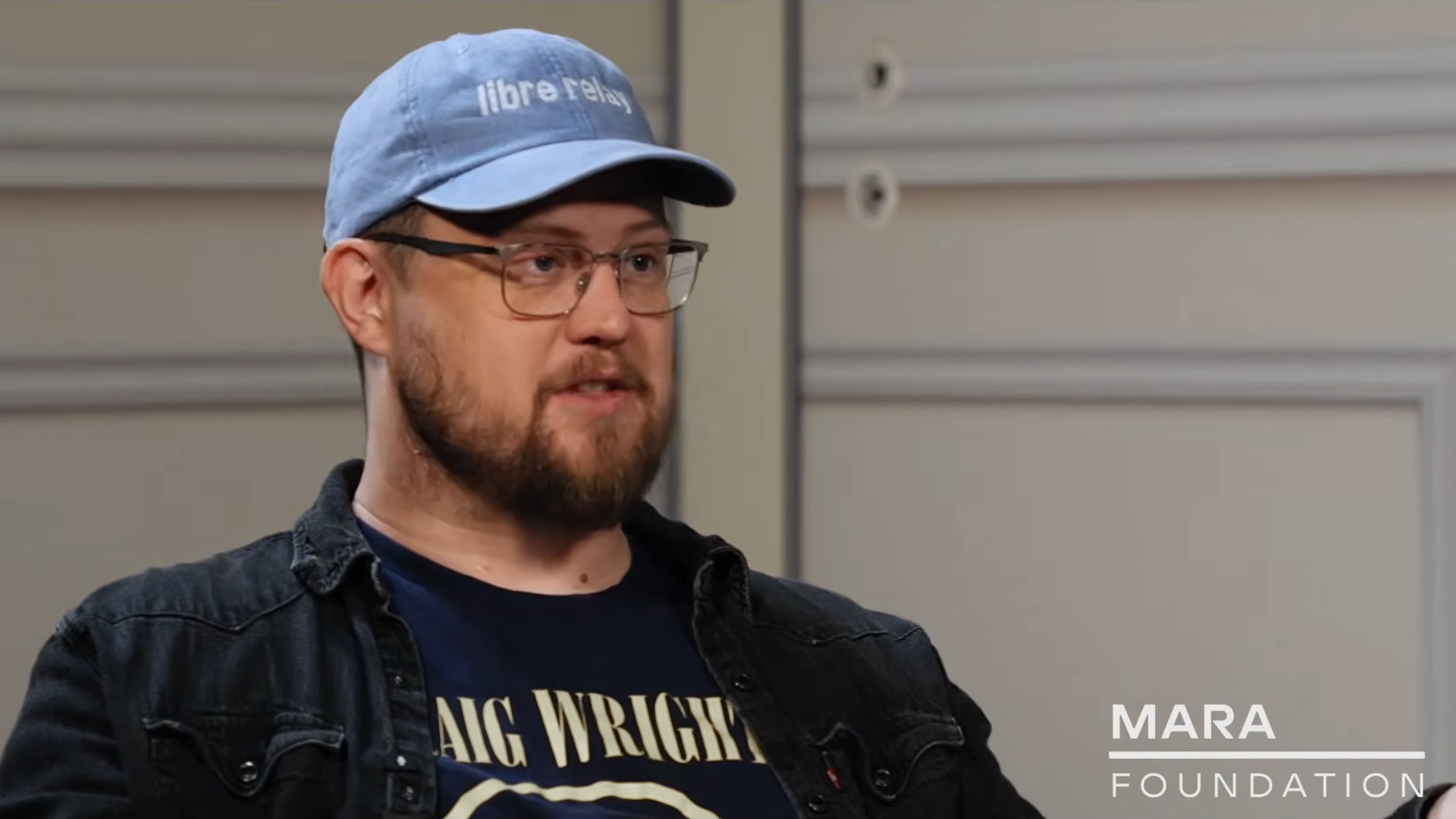
Bitcoin veteran Peter Todd has joined the MARA Foundation as lead maintainer of Slipstream, the miner's private Bitcoin mempool service, the foundation announced on Thursday. In the new role, Todd will be responsible for developing and running the service.
Slipstream lets users send bitcoin transactions directly to MARA Pool, the company's mining pool, without going through Bitcoin's public peer-to-peer network. Because transactions submitted through the service remain private until they are confirmed in a block, Slipstream helps keep key information hidden in the period before confirmation — protecting users from exposure of their public keys. That pre-confirmation window matters because unconfirmed transactions broadcast on the public network are visible to anyone running node software, and transactions that fall outside default relay rules can struggle to propagate — a gap that direct-to-miner submission is built to close.
The service proved particularly useful after hackers exploited Coldcard hardware wallets in July, stealing more than $115 million in user funds. The incident underscored the demand for private submission routes at moments when on-chain activity draws intense public scrutiny.
"I most look forward to seeing what's possible on Bitcoin — using Slipstream as a proving ground for experimental development and protocol innovation," Todd said.
MARA's Slipstream first drew attention in 2024 for publishing large Ordinals inscriptions, a category of oversized transactions that default relay policy can treat as non-standard. More recently, it has been used for research projects such as Quantum Safe Bitcoin and Binohash, a way to emulate covenants without requiring a soft fork.
Todd is a longtime Bitcoin Core contributor who co-authored BIP 125 (replace-by-fee), which allows users to swap an unconfirmed transaction for a higher-fee version, created OpenTimestamps, a tool that anchors timestamps into the Bitcoin blockchain, and launched Libre Relay in 2024, a Bitcoin Core fork with looser relay rules for non-standard transactions. He argues that mempool policy should follow what the market wants miners to mine, rather than restrict how people use Bitcoin — a stance that sits at the heart of an ongoing debate among Bitcoin developers over relay and filtering policy. How that philosophy shapes Slipstream, and what experimental work follows efforts like Quantum Safe Bitcoin and Binohash under his maintainership, is the thread to watch as he takes over.
This article first appeared on Bitcoin Magazine and was written by Mathew Di Salvo.

