Hegseth’s Legal Standing Questioned as Generals Push Back on His Guidance
Key Takeaways
- •Defense Secretary Pete Hegseth reportedly fired generals for executing lawful orders issued by the Biden administration, including directives on diversity, equity and inclusion.
- •Former Special Forces officer Mike Nelson said criticism of generals over D.E.I., the Covid-19 vaccine mandate, and the Afghanistan withdrawal targeted lawful orders rather than questions of legality.
- •Columnist David French warned that removing officers for following one administration's orders could set a precedent that proves for the military's integrity and erodes the principle that merit matters as much as political fidelity.
- •Nelson identified two areas raising legal concerns: the overall legality of the war with Iran and the Sept. 2, 2025, boat strike at the beginning of Operation Southern Spear.
- •Nelson stated that many of Hegseth's policies are legal despite being counterproductive, and questioned whether generals carrying out his orders should face dismissal in January 2029.
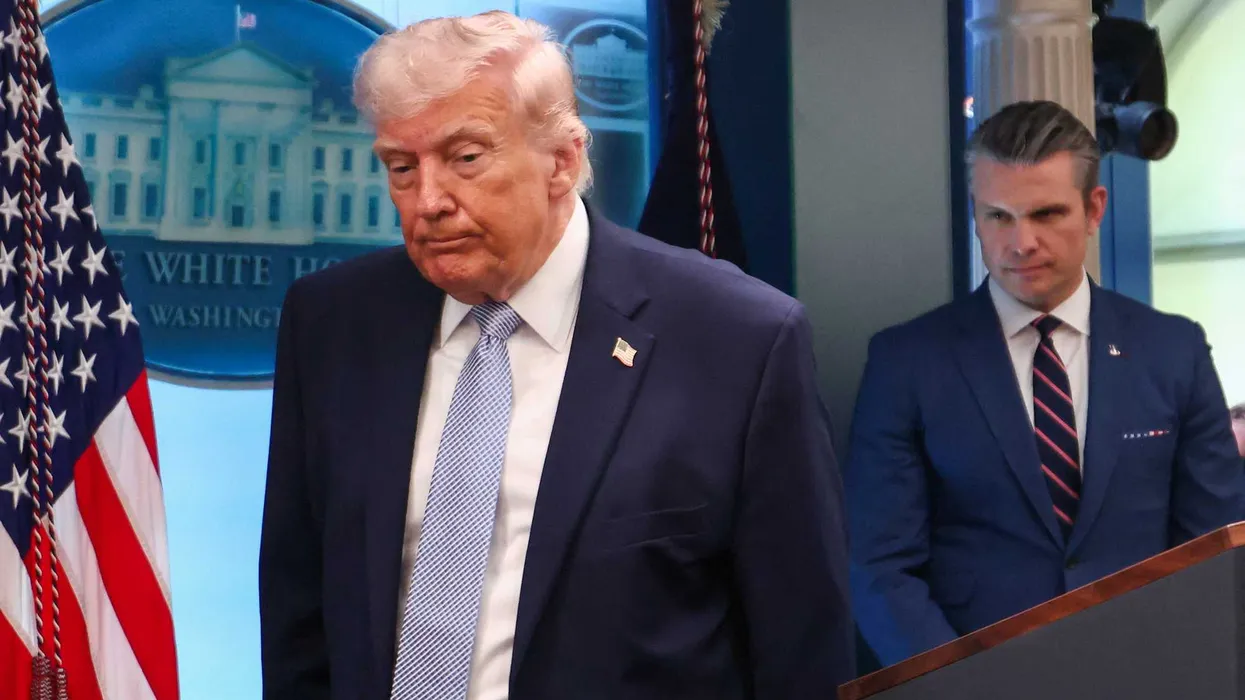
Pete Hegseth, the United States secretary of defense, has faced intense scrutiny over his position since he was announced at the beginning of President Donald Trump's second presidential term. A series of missteps, public gaffes, controversial comments, inflammatory statements and viral videos have led many to question whether Hegseth is fit to serve. High-ranking military officials have now reportedly raised related concerns about his leadership. At the center of the dispute is a foundational norm of American civil-military relations: the armed forces operate under civilian control, and executing the lawful orders of the commander in chief is treated as a duty rather than a partisan act.
In a recent New York Times interview, Iraq War veteran and Times Opinion columnist David French spoke with former Special Forces officer Mike Nelson about Hegseth's approach to military leadership and the resistance it has generated.
French said Hegseth had fired certain generals for following orders issued by the Trump administration, a development he said had contributed to distrust and resentment within the military.
“I'm so glad you raised the generals, because I had a conversation with one of the fired generals not long ago, and this person pointed out that, in essence, they were fired for following orders,” French said.
He explained that the Biden administration had issued orders and directives concerning D.E.I.—diversity, equity, inclusion and other matters—and that military personnel had carried them out as loyal service members, regardless of whether they personally agreed with them.
“And Hegseth comes in and essentially says: Well, if you were carrying out the orders that were the priority of the previous administration, you're woke, you're weak, whatever, and you're gone,” French said.
French added that the former general had raised concerns about the precedent created by those dismissals. If general officers could be removed for following one administration's orders, he said, a future administration might purge them and replace them with officers expected to follow its directives—only for those officers to face dismissal under the next administration.
French said the firings had left generals concerned about their job security and the long-term integrity of the military.
“It strikes me that the Trump administration is setting a precedent here that if actually carried out by other presidents would be catastrophic for the integrity of the military,” he said. He added that the precedent could undermine the principle that merit matters as much as political fidelity. “But it was very chilling to me to hear the general essentially say, 'I was fired for following a lawful order.'”
Nelson then addressed why generals have rejected Hegseth's guidance and discussed the legal issues involved. He said much of Hegseth's criticism of generals who implemented the lawful orders of the previous duly elected president and the civilian leadership, acting through the secretary of defense, centered on three areas: D.E.I. broadly, the Covid-19 vaccine mandate and the withdrawal from Afghanistan.
“Everything that was just listed, we can disagree with or think were bad ideas or conducted poorly, and all of them were lawful orders from the duly elected president through the civilian leadership,” Nelson said. The distinction matters because U.S. service members are bound to obey lawful orders, placing questions of legality on a different footing than disagreements over policy or competence.
He said there was now substantial discussion about generals rejecting Secretary Hegseth's guidance, but identified two areas in which he had legal concerns: “One being the overall legality of the war with Iran, and the second being the Sept. 2, 2025, boat strike, at the beginning of Operation Southern Spear.”
Nelson said that although he and other generals might strongly disagree with Hegseth, many of his policies and practices were legal.
“I think it's fair to say that I disagree and think that most of Secretary Hegseth's stuff or ideas are bad ideas—counterproductive and potentially damaging in the long term—but they are legal,” Nelson said. He asked whether Hegseth would want the generals he currently supports to be dismissed immediately in January 2029 because they had carried out his orders.
“The secretary needs to remember that his predecessors gave legal orders, whether he agreed with them or not, and he is in a position now to implement new policy and that's fine,” Nelson added. “We may disagree with it, but they are legal orders.”
Taken together, the concerns cut in both directions: generals described as at risk of dismissal for executing lawful orders under a prior administration, and legal questions—over the war with Iran and the Sept. 2, 2025, boat strike—that Nelson set apart from the policy disputes he judged lawful, if unwise.

