Stranded Persian Gulf Vessels Could Spark Global Marine Bioinvasion, Scientists Warn
Key Takeaways
- •A team of 24 marine scientists led by the University of Maryland Center for Environmental Science published research warning that stranded vessels in the Persian Gulf could cause an unprecedented marine bioinvasion event.
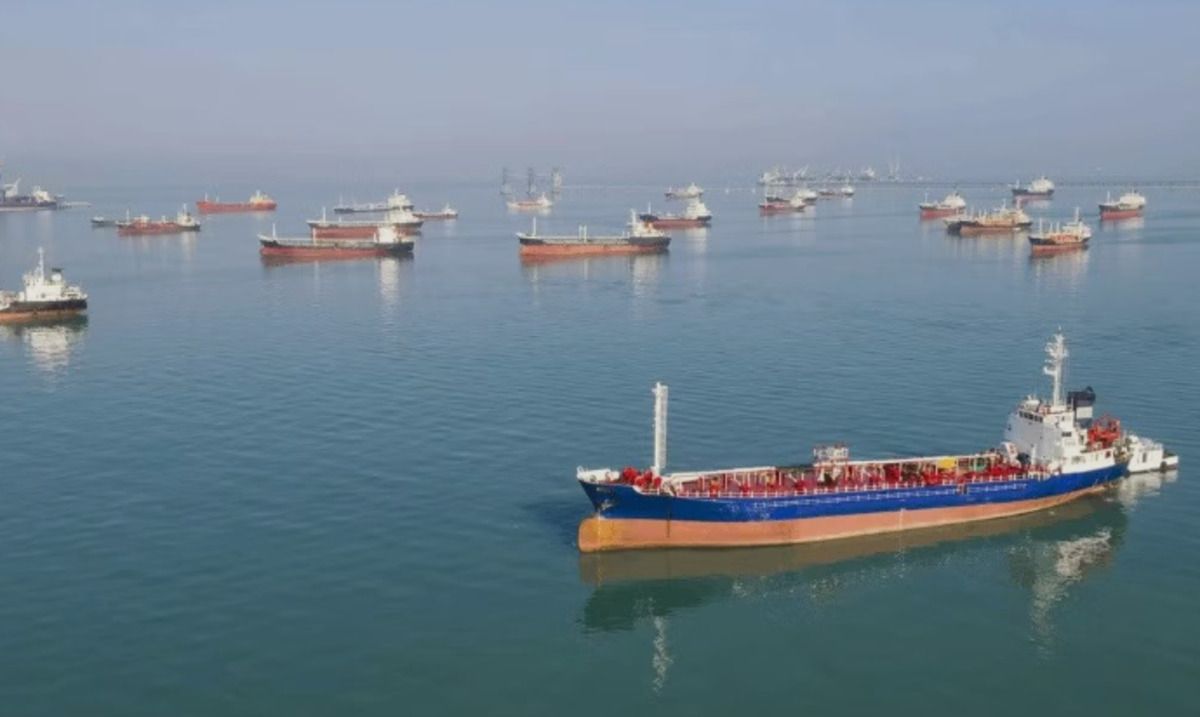
- •More than 1,500 commercial ships have remained anchored or inactive in the region following the closure of the Strait of Hormuz, creating conditions for rapid biofouling on their hulls.
- •The Persian Gulf's warm and saline waters are particularly conducive to accelerating the accumulation of marine organisms such as algae, mussels, and barnacles on stationary ship hulls.
- •Invasive marine species can cause severe ecological and economic damage by outcompeting native species, disrupting fisheries, and creating costly infrastructure problems that are extremely difficult to reverse once established.
- •Researchers recommend strengthening international biosecurity measures including hull-cleaning protocols, enhanced port monitoring, vessel trajectory forecasting, and coordinated rapid response plans among port authorities and regulators.
Scientists Warn of Bioinvasion
Thousands of commercial vessels stranded in the Persian Gulf could pose an unprecedented global marine biosecurity threat once they resume international shipping routes, according to new research from a team of 24 marine scientists.
The study, titled Closure of the Strait of Hormuz May Trigger a Bioinvasion Super-Spreader Event, warns that prolonged vessel delays in the Persian and Arabian Gulf may enable large communities of marine organisms to accumulate on ship hulls. The research was led by the University of Maryland Center for Environmental Science and involved researchers from the Woods Hole Oceanographic Institution. It was published in the journal Biological Invasions.
Researchers estimate that more than 1,500 commercial ships have remained anchored or inactive in the region for extended periods following the closure of the Strait of Hormuz. The scientists believe the sheer number of affected vessels and the duration of the disruption could produce a marine invasive species "super-spreader" event.
Stuck Vessels Create Ideal Conditions for Biofouling
When ships remain stationary for weeks or months, organisms such as algae, mussels, barnacles, and other marine invertebrates can attach themselves to the hulls. This process, known as biofouling, is already recognized as one of the primary pathways by which invasive marine species spread between countries. However, the scale of the current vessel layup makes the situation particularly alarming. The Persian Gulf's warm, saline waters are additionally conducive to rapid biological colonization, potentially accelerating the pace at which organisms accumulate on stationary hulls.
Once the stranded Persian Gulf commercial vessels resume normal operations, they could transport these organisms to ports and coastal environments worldwide.
Carolyn Tepolt, a biologist at the Woods Hole Oceanographic Institution who contributed to the research, noted that marine invasive species can have serious ecological and economic consequences. Once an invasive species becomes established in a coastal ecosystem, removing it can be extremely difficult or even impossible.
Invasive organisms may outcompete native species, damage fisheries, disrupt marine habitats, and create costly maintenance problems for ports, ships, and coastal infrastructure.
Scientists Call for Stronger Biosecurity Measures
The researchers are urging stronger international measures to manage the risks tied to the delayed ships. Recommended actions include improving hull-cleaning and biofouling management, increasing monitoring at high-risk ports, and forecasting where vessels are likely to travel after departing the Gulf. These recommendations come as the International Maritime Organization already maintains voluntary biofouling guidelines, though compliance varies across the global shipping industry.
Port authorities, shipping companies, regulators, and environmental agencies may also need to coordinate rapid response plans to identify and contain potentially invasive species before they become established.
The closure of the Strait of Hormuz therefore carries consequences extending well beyond oil supplies, shipping costs, and the global economy. While much attention has focused on energy markets and disrupted trade, the prolonged grounding of commercial vessels could also inflict lasting environmental damage by spreading invasive marine species to coastlines around the world.
Source: Coinpaper

