New Solar Cell Design Aims to Solve a Longstanding Panel Problem
Key Takeaways
- •Solar power is still the cheapest form of new energy to install in nearly every context worldwide.
- •U.S. solar addition costs have risen 18% since Trump’s tariffs took effect, but solar remains the most affordable option for expanding capacity.
- •Researchers at Hong Kong Polytechnic University developed a perovskite-organic tandem solar cell that can operate at 97% efficiency under partial shading without damaging the cells.
- •McKinsey said solar developers face tougher conditions from competition, limited land in some regions, and grid congestion, while capital spending makes up roughly 40% to 70% of solar’s levelized cost of energy.
- •The International Energy Agency says annual solar capacity additions must double by 2030 to align with its NZE Scenario, requiring more research focused on efficiency and other fundamental improvements.
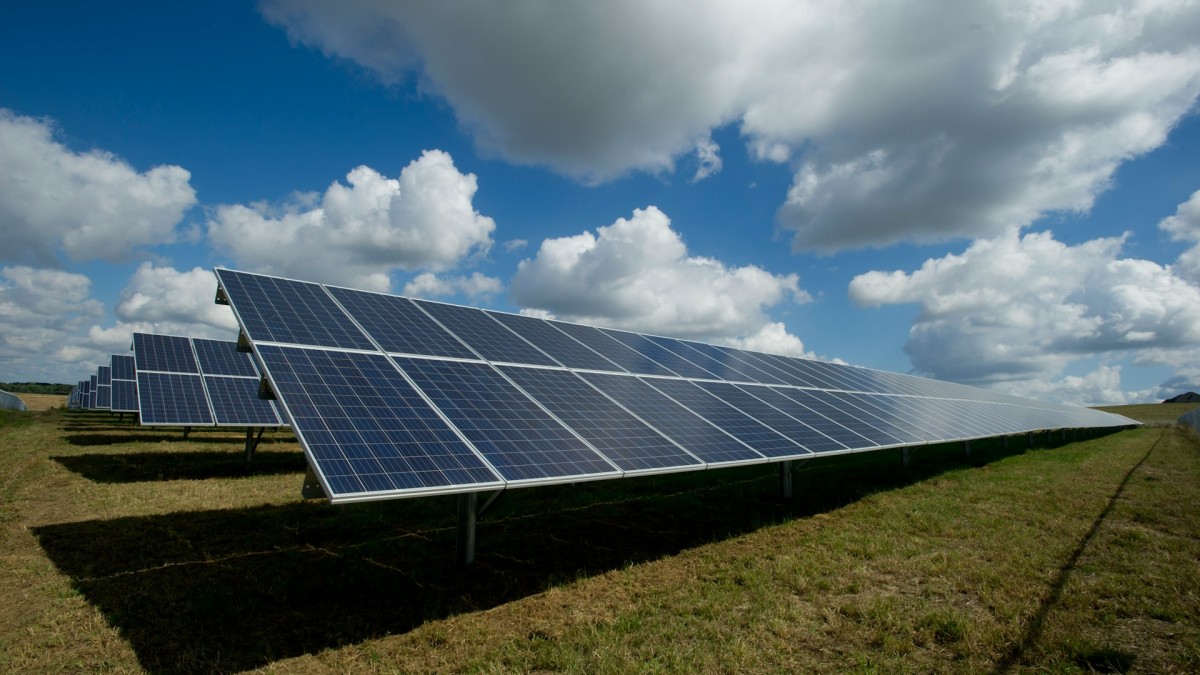
Solar power remains the cheapest form of new energy to install in nearly every context around the world. In the United States, where the cost of solar additions has risen 18 percent since Trump’s tariffs took effect, solar is still the most affordable option for expanding energy capacity. As a result, it remains the fastest-growing form of energy globally. But as the sector has expanded rapidly, profitability has come under pressure in an increasingly competitive market.
Developing more advanced solar panel designs could help address those profitability concerns while also improving energy security and sustainability. Next-generation solar technologies may shorten manufacturing and delivery timelines, reducing costs and improving margins. At the same time, these panels could raise the performance, efficiency, and durability of solar systems. That combination could benefit both producers and consumers by increasing output while giving companies enough profitability to keep investors engaged.
Research into advanced solar technologies generally follows two broad paths: changing the shape of solar panels or changing the materials they use to improve performance. Some startups are working to identify materials that absorb more sunlight than standard silicon panels, while others are redesigning panel geometry and mechanics so they can capture more sunlight as the sun moves across the sky throughout the day and across seasons.
One of the most promising materials in next-generation solar is perovskite, which can improve both efficiency and durability. Earlier this month, a team at The Hong Kong Polytechnic University (PolyU) announced the creation of a new perovskite-organic tandem solar cell that can operate at 97 percent efficiency even when part of it is shaded, without damaging the solar cells. This is notable because shaded solar panels can normally experience reverse-bias stress, which can permanently damage traditional solar cells, making shade tolerance a practical issue for real-world installations rather than just a lab metric.
“We have achieved important advances in the stability of OSCs and POTSCs under challenging reverse-bias conditions. Our research makes breakthrough contributions to the understanding of both device operation and durability in organic and perovskite solar technologies,” said Professor Li Gang, chair professor of energy conversion technology in PolyU’s Department of Electrical and Electronic Engineering.
The breakthrough comes at a critical time for the global solar energy sector. A recent McKinsey report says the industry is under pressure to raise profit margins as financial performance faces greater scrutiny. “In recent years, solar developers have faced a more challenging environment due to increasing competition, limited land availability in some regions, and grid congestion,” the report said. “With capital expenditure (capex) accounting for roughly 40 to 70 percent of solar’s levelized cost of energy (LCOE), improvements in capital efficiency could be an important factor in keeping solar affordable and competitive,” McKinsey added.
Maintaining profitable solar deployment is also important for global decarbonization goals and for energy security, especially as the artificial intelligence boom puts unprecedented strain on power grids and the United States’ and Israel’s war in Iran continues to disrupt global oil markets and supply chains. Keeping solar panels affordable, efficient, and profitable is therefore considered essential to a sustainable and secure energy future.
The International Energy Agency has said: “Maintaining a generation growth rate aligned with the NZE Scenario will require doubling of annual [solar energy] capacity additions by 2030.” The agency added that meeting this scale of expansion will require significant research and development “focused on efficiency and other fundamental improvements.”
By Haley Zaremba for Oilprice.com
More Top Reads From Oilprice.com
Economists Cut India’s GDP Growth Forecast on Oil Price Shock
Tata Power Targets 2032 for India's First Private Nuclear Plant
Hitting EU Renewables Targets Could Slash Gas Demand a Quarter by 2030

