Pepe, Baby Doge and Floki Face Off in Community-Driven Meme Coin Contest
Key Takeaways
- •Crypto Thro has placed Pepe, Baby Doge, and Floki in a community showdown that asks supporters to publicly pick and defend the strongest and most united group.
- •Participants can express their preferences through comments explaining their choice, re-posts that continue discussions, and likes that register a selection.
- •Each project carries a distinct mascot: Pepe's green frog from a long-running internet meme, Floki's Viking-themed dog, and Baby Doge's cartoon dog rooted in the Dogecoin-inspired dog-token lineage.
- •The contest graphic provides no engagement figures or official ranking, leaving supporters to argue their cases through public discussion.
- •Whether conversation around the contest continues after the initial voting wave may indicate which community sustains day-to-day engagement more reliably than the final vote tally.
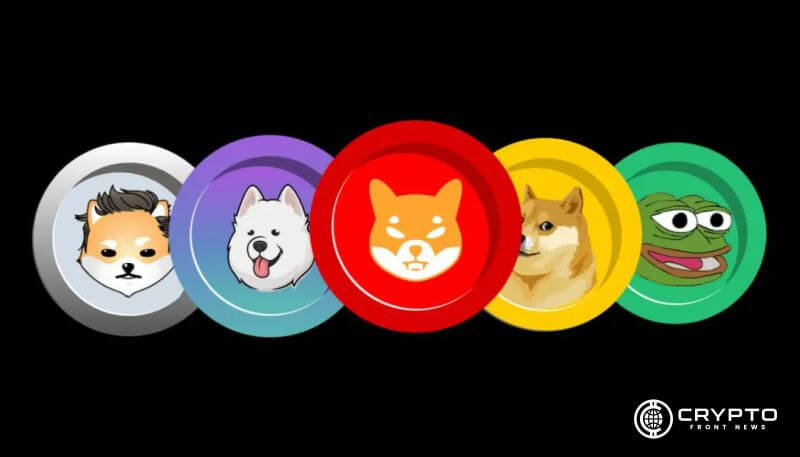
Pepe, Baby Doge and Floki have been placed in a community contest that asks supporters to champion their chosen project's identity and loyalty. The competition is framed as a celebration of community, with comments, re-posts and likes serving as the means for supporters to express their preference.
The matchup arrives as meme coin communities engage in a fresh test of popularity, with the three projects vying for supporter loyalty and online recognition. In the meme coin sector, where projects generally draw identity from internet culture and social media presence rather than technical roadmaps, community sentiment carries particular weight, and head-to-head polls have become a recurring format for displaying it.
Crypto Thro Puts Three Communities to the Test
Crypto Thro has placed Pepe, Baby Doge and Floki in a community showdown. The post asks supporters to identify the strongest and most united group, and participants are encouraged to pick a winner and defend their decision.
The accompanying graphic assigns each project a distinct position. Pepe appears on the left with its familiar green frog character, while Floki occupies the center, represented by its Viking-themed dog mascot. Baby Doge completes the comparison on the right, with its cartoon dog character set against a bright yellow background. Versus symbols separate the three projects throughout the contest.
The presentation places community identity ahead of technical comparisons. It includes no engagement figures and no official rank. Instead, supporters are asked to voice their choices publicly.
Distinct Mascots Shape Each Project's Identity
Pepe enters the comparison with its recognizable frog character. The green mascot gives supporters an established symbol for online discussions, and its familiar appearance makes related memes easy to identify. The figure is drawn from one of the internet's longest-running memes, which circulated across social platforms well before the token adopted it.
Floki takes a different approach with its Viking-themed dog character. The helmet lends the mascot a distinct visual appearance that supporters can carry across posts, artwork and community conversations.
Baby Doge relies on another familiar character from internet culture. Its dog mascot gives the project a recognizable look, and members can share that identity through memes and community material. The name and imagery place it within the dog-themed token lineage that grew out of Dogecoin, the meme-inspired cryptocurrency that popularized the format.
These characters give each project its own presentation, but a recognizable mascot alone does not establish community strength. Supporter participation offers another way to assess their respective positions.
Participation Remains the Primary Measure
The contest encourages engagement through three options. Comments allow users to explain which community they prefer, discussions can continue within the re-posted community, and likes provide a simpler way to register a selection.
These interactions, however, do not create continuous loyalty. Community unity cannot be gauged by a single popular post, and the number of visible supporters also requires careful interpretation, since not everyone takes part in large groups. Other signs of involvement include regular discussions, and activity during quieter market periods deserves attention as well. Some communities stay active when broader market interest declines, while others see participation fade after periods of intense attention. For observers, whether conversation around this contest continues once the initial voting wave passes offers one practical way to see which community sustains day-to-day engagement.
The poll leaves all three projects competing for recognition. It provides no comparative figures establishing which group leads, leaving supporters to defend their choices through the discussion. For meme coin projects, whose traction is often measured first in community activity, the durability of that discussion may prove more telling than the contest's final tally.

