Trump Officials Reportedly Considered Defense Production Act to Pressure Nvidia Over Jensen Huang; Pentagon Denies
Key Takeaways
- •A Washington Post report said senior Trump administration officials considered invoking the Defense Production Act to pressure Nvidia amid efforts involving CEO Jensen Huang.
- •The Pentagon denied the report, stating the described conversations never happened and no such proposal was made by the defense secretary, deputy secretary, or under secretary.
- •The Defense Production Act, enacted in 1950, allows the president to prioritize industrial production for national defense but provides no established mechanism to appoint or reinstate a private company's chief executive.
- •Trump acknowledged speaking with Nvidia board members, and Huang's return was announced on November 23 following a unanimous board decision that the board said drew on input from senior US government officials.
- •It remains unclear whether the proposed use of the law was ever communicated to President Trump, Vice President JD Vance, or Nvidia itself.
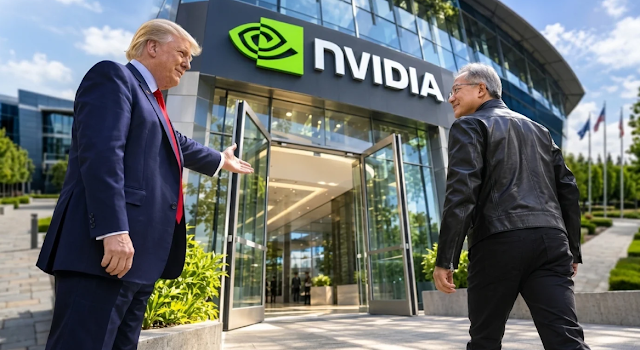
Senior officials in the Trump administration reportedly weighed invoking the Defense Production Act as a means of pressuring Nvidia in connection with efforts involving CEO Jensen Huang, according to an account first reported by The Washington Post and covered by Cointelegraph. The Pentagon has firmly rejected the report, and Nvidia declined to comment on the discussions.
How the Defense Production Act Could Have Been Used
Enacted in 1950 during the Korean War, the Defense Production Act gives the US president authority to prioritize government orders and direct certain industrial production toward national defense requirements. Successive administrations have used the legislation to influence domestic manufacturing during national emergencies, including invocations during the COVID-19 pandemic to expand production of medical supplies.
One potential approach discussed by administration officials was reportedly to use the law to pressure Nvidia into directing more of its production toward military projects. Such requirements could affect the company's commercial priorities and create leverage in discussions with its board.
However, the legislation does not provide an established mechanism for the federal government to directly appoint or reinstate a private company's chief executive. The reported proposal therefore raised questions about the legal limits of using national security powers to influence corporate leadership decisions.
Pentagon Rejects the Report
The Pentagon disputed The Washington Post's account, denying that senior officials had discussed or proposed invoking the legislation against Nvidia. A Pentagon official said the conversations described in the report never happened and that no such proposal was made by the defense secretary, deputy secretary, or under secretary. Nvidia declined to comment on the reported discussions.
The newspaper also reported that it remained unclear whether the proposed use of the law was ever communicated to President Donald Trump, Vice President JD Vance, or Nvidia itself.
Huang's Return to Nvidia
The reported discussions emerged alongside Trump's direct involvement in efforts to restore Huang to the company's leadership. Trump acknowledged speaking with Nvidia board members and supporting the executive's return, which was announced on November 23 following a unanimous board decision.
Nvidia's board said it had received input from senior US government officials before deciding to reinstate Huang. The episode has brought renewed attention to the relationship between Washington's national security priorities and the leadership of companies responsible for developing critical artificial intelligence infrastructure.
For now, the reported consideration of the Defense Production Act remains disputed, with the Pentagon firmly denying that its senior leadership pursued the proposal. With the report and the denial in direct conflict, any follow-up statements from the White House, the Pentagon, or Nvidia would be the key details to watch.
Source: Cointelegraph (X post)

