Pentagon Abruptly Withdraws Hegseth-Backed Testosterone Screening Guidance After Backlash
Key Takeaways
- •The Pentagon temporarily rescinded draft guidance on mandatory testosterone screenings for troops just one day after it was published on September 2, 2026.
- •The policy, promoted by Defense Secretary Pete Hegseth, would have required men and women aged 30 and older to undergo testosterone deficiency screenings during annual health assessments.
- •Medical experts and the Endocrine Society recommend against universal testosterone screening, citing limited evidence and potential risks including cardiovascular concerns under study.
- •A U.S. official said the document was rescinded to allow for updates and that broader interim guidance remains in effect.
- •The FDA will host an expert panel in mid-September on the medical use of testosterone, which could clarify the evidence base affecting the policy's fate.
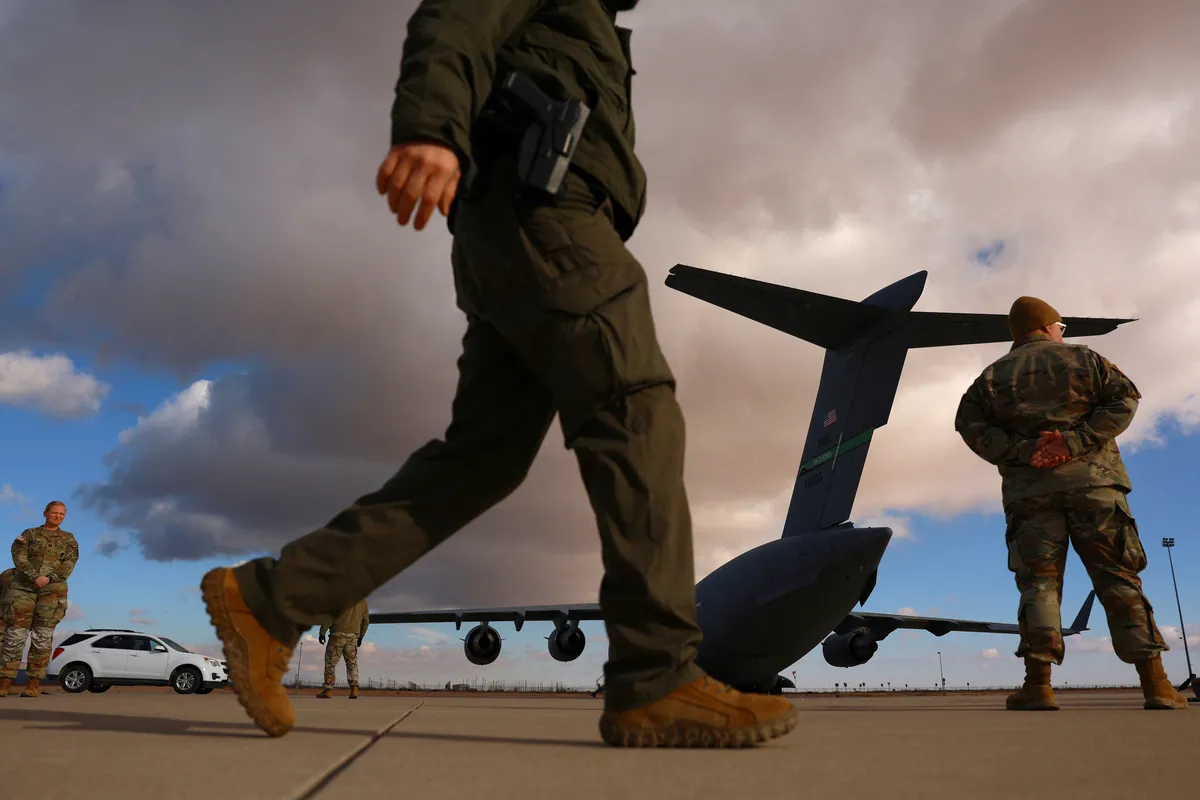
The Pentagon abruptly removed new guidance outlining mandatory testosterone screenings for U.S. troops just one day after publishing it, following pushback over the initiative promoted by Defense Secretary Pete Hegseth.
The guidance, posted on the Pentagon's website on Wednesday, was taken down by Thursday, a U.S. official told Reuters. It called for men and women ages 30 and older to undergo separate testosterone deficiency screenings during their annual health assessment.
"The draft (document) published on September 2, 2026, has been temporarily rescinded to allow for updates," the official said, adding that broader interim guidance remains in effect.
According to Reuters, a "Page Not Found" message appeared when visitors tried to access the guidance and an accompanying statement on the Pentagon and Defense Health Agency websites.
Under the plan, men would answer a questionnaire that could lead to blood testing and testosterone therapy. Women would also complete a questionnaire and could receive treatment for hormonal imbalances.
"Testosterone would be used in women only for one of the diagnoses for which there is evidence of efficacy, such as Hypoactive Sexual Desire Disorder, characterized by a distressing level of low sexual interest," Reuters reported Thursday.
Hegseth, a former Army National Guard officer and Fox News host who became defense secretary, announced the screening mandate in July as a way to improve military readiness. Medical experts, however, have openly questioned whether the policy has a solid scientific basis. Their skepticism aligns with longstanding positions from professional medical bodies: the Endocrine Society's clinical practice guidelines recommend against screening all men for testosterone deficiency, advising testing only for those with symptoms or clinical signs, and caution that testosterone therapy carries risks including cardiovascular concerns that remain under study.
"Doctors have raised concerns that broad testosterone testing could lead to unnecessary or potentially harmful treatment, saying there is little evidence that universal screening for low testosterone among military personnel would improve U.S. combat readiness," according to the report. The abrupt rescission marks a notable course correction for the Pentagon, which said updates are coming, and the episode illustrates the friction that can arise when large-scale health policy moves faster than the supporting medical consensus.
Separately, the Food and Drug Administration is set to host a panel of experts in mid-September to discuss the medical use of testosterone, a hormone therapy that has long been the subject of debate over appropriate prescribing practices. That meeting could help clarify the evidence base surrounding testosterone therapy at a moment when the Pentagon's screening initiative remains in limbo, making the panel's discussion a key next signal for the policy's fate.

