Pentagon Administered Polygraph Tests to Roughly 50 Joint Staff Members After Munitions Leak Reports, NYT Reports
Key Takeaways
- •The Pentagon polygraphed approximately 50 Joint Staff members in August following news reports about depleted U.S. munitions stocks, including long-range missiles and Patriot interceptors.
- •Polygraph results are generally inadmissible in court and widely questioned for reliability, so the tests function mainly as investigative pressure rather than proof of wrongdoing.
- •The leak investigation is part of a wider federal crackdown that has expanded polygraph screening at agencies including the FBI and CIA.
- •Defense Secretary Pete Hegseth has reportedly been sidelined in military matters after delivering overly optimistic assessments, with Treasury Secretary Scott Bessent elevated over him.
- •Pentagon spokesman Sean Parnell said the department does not comment on internal investigations but treats leaks of classified national security information seriously.
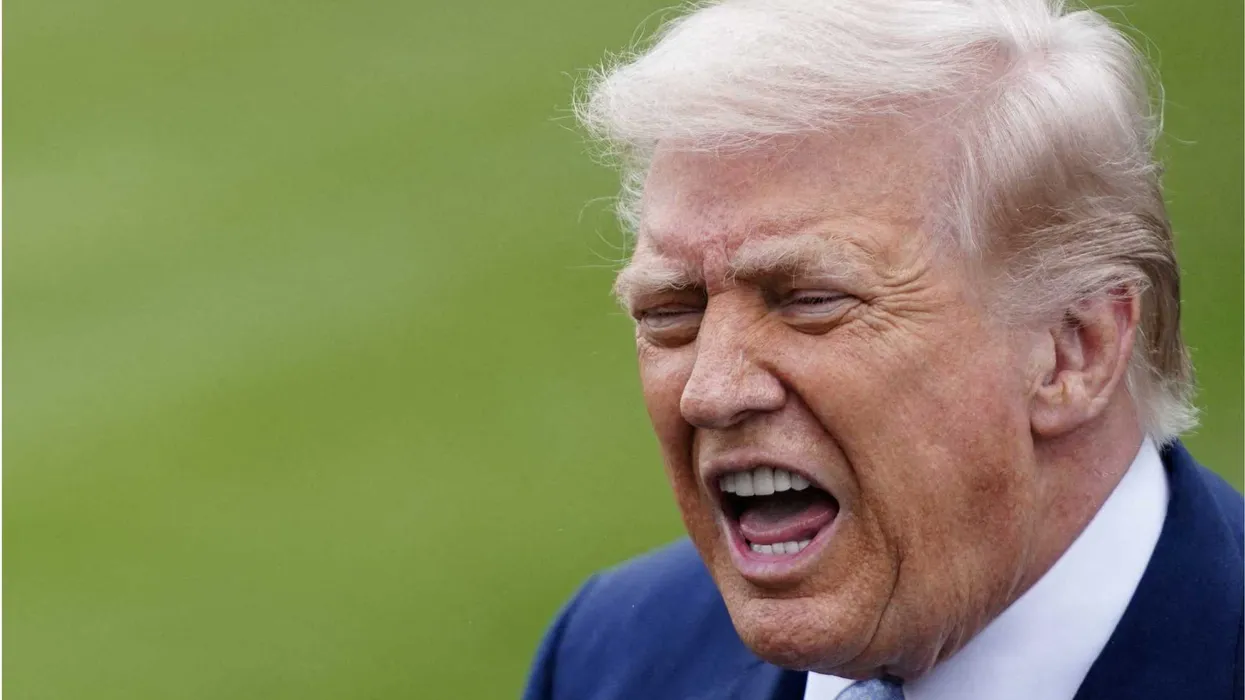
The New York Times reports that the Pentagon subjected approximately 50 members of the U.S. military's Joint Staff to polygraph tests as part of an aggressive internal hunt for potential leakers. The episode is the latest in a broader wave of leak investigations across the federal government, which has already seen polygraph screening expand at agencies including the FBI and CIA under the current administration.
"U.S. government investigators have taken the extraordinary step of subjecting … members of the U.S. military's Joint Staff to polygraph tests over leaks to journalists, including about how the Iran war has created a shortage of crucial munitions, according to officials briefed on the move," the Times reports. Investigators reportedly asked military officers and civilian employees whether they had ever disclosed classified information to members of the press and whether they had provided information about diminished U.S. munitions stocks.
According to the Times, the polygraph tests were conducted in August, "after a flurry of news reports detailed diminished stocks of crucial munitions, including of long-range missiles and Patriot interceptors" (The New York Times). Polygraph results are generally not admissible as evidence in court, and experts have long questioned their reliability, which means such tests typically function more as an investigative pressure tool than as definitive proof of wrongdoing.
Trump himself was reportedly caught off guard by news of the depleted munitions, likely because his staff and lieutenants feed him nothing but good news regarding his unilateral war. Defense Secretary Pete Hegseth allegedly found himself sidelined after proving himself a "yes-man" incapable of delivering anything beyond happy assurances about the U.S. conflict.
"Hegseth, among others in the president's orbit, 'tells Trump what he wants to hear,'" the Daily Mail recently reported, citing an insider, who echoed "concerns about Trump's 'yes-men' military advisors shared by Republicans on Capitol Hill."
Treasury Secretary Scott Bessent, described as Trump's new "golden boy," has been elevated over Hegseth in military matters. The shift reportedly followed an explosion at a Camp David retreat earlier this month, after Trump became furious that all the good news he was receiving from his subordinates did not match the reality of the war — most notably the U.S. military's shortage of critical defense munitions, which Trump had been convinced "had been fixed" (Alternet). The reported shortages of long-range missiles and Patriot interceptors point to a wider strain on U.S. weapons stockpiles as multiple conflicts draw on the same limited production base, a concern defense officials and lawmakers have raised as munitions manufacturing capacity struggles to keep pace with demand.
"The environment changed," a Trump insider said, describing a realization inside the administration that Trump simply "can't bludgeon [Iran] anymore." How the administration balances its leak crackdowns with the internal pressure to deliver candid assessments of the war is likely to remain a point of tension as the investigations continue.
In a statement, Pentagon spokesman Sean Parnell told the Times that the department "does not comment on internal personnel or investigative matters but takes all leaks of classified national security information extremely seriously and investigates accordingly."
