Pentagon-Paid Far-Right Influencers Hide Behind Anonymous Avatars and Greek Statues
Key Takeaways
- •The Pentagon has reportedly used taxpayer funds to pay far-right influencers to promote Defense Secretary Pete Hegseth, according to reporting by Will Sommer and the Washington Post.
- •Several paid influencers were installed as special government employees, a temporary federal role subject to ethics rules barring use of public office for private gain.
- •Rob Maness was on the Pentagon's payroll when he wrote a Daily Caller piece attacking "disloyal careerists," and the outlet has not added a disclosure to it.
- •The paid influencers generally did not disclose their compensation, despite U.S. law and FTC guidelines requiring paid endorsements to be clearly identified.
- •The discussion also tied the influencers' anonymity to Elon Musk's replacement of Twitter's identity-verification system with a paid subscription model after acquiring the platform in 2022.
Sam Stein, speaking with Will Sommer on The Bulwark podcast Monday, discussed Sommer's bombshell report revealing that the Pentagon is using taxpayer dollars to pay far-right influencers to promote Defense Secretary Pete Hegseth online and in various articles (The Bulwark).
Sommer, who reports on the far right, published his report the previous Monday, and the Washington Post followed up with its own piece Sunday, exposing several other influencers who were being paid as special government employees (Washington Post). Special government employees are temporary federal workers who, under U.S. ethics rules, are generally barred from using their public role for private gain and are subject to conflict-of-interest standards — a designation whose use for pro-administration media personalities has drawn scrutiny from government-ethics watchers.
Among the details they uncovered is that Rob Maness was among those being paid by the Pentagon when he wrote a story for the Daily Caller. Stein pointed out that the site still has not posted a disclaimer on Maness's report attacking "disloyal careerists" at the Pentagon, noting that he was being paid by the Department of Defense at the time he wrote the piece (Daily Caller).
Another figure named by Sommer and the Post was "Data Republican," who has been tracking people they believe to be "Antifa," which stands for anti-fascist.
"The anonymity here — a bunch of these people, if you were just perusing online and you had no clue or the wherewithal to investigate who these people were, you know, 'Cynical Publius,' 'Infantry Dort,' I guess he lists his name there. But 'Data Republican.' They operate with anonymity. And I have a proposition to you," Stein posed to Sommer. "Was the — was Elon Musk basically scraping any sort of verification requirements on Twitter? Was that not one of the most consequential social media maneuvers ever? We live in a world where people can do this now."
Stein was referring to the changes Musk made after acquiring Twitter in 2022 and rebranding it as X, when the legacy verification system — which had required identity confirmation for the blue check — was replaced by a paid subscription model. Critics at the time warned the shift would make it harder for ordinary users to distinguish authentic, identity-verified accounts from anonymous or impersonating ones.
Sommer pointed to "Data Republican," who is able to be "verified" on Musk's X and poses as an expert online, but is actually just "a random lady with, I guess, Excel? Maybe not even that."
In the case of "Infantry Dort," Sommer said that anyone looking at his account doesn't "realize this guy is, like, essentially a Pete Hegseth spokesperson."
These are people, he continued, who do not indicate that they have been paid to post much of the content they publish online. The lack of disclosure is notable because U.S. law and Federal Trade Commission guidelines require paid endorsements to be clearly identified as such, standards that have long applied to sponsored content by influencers and media outlets alike. In the case of Kurt Schlichter, Sommer noted that he has spent time writing short stories about another U.S. Civil War in which the red states would destroy the blue states (Alternet).
"So, is this a guy we really want working for the Pentagon? I don't know," Sommer asked.
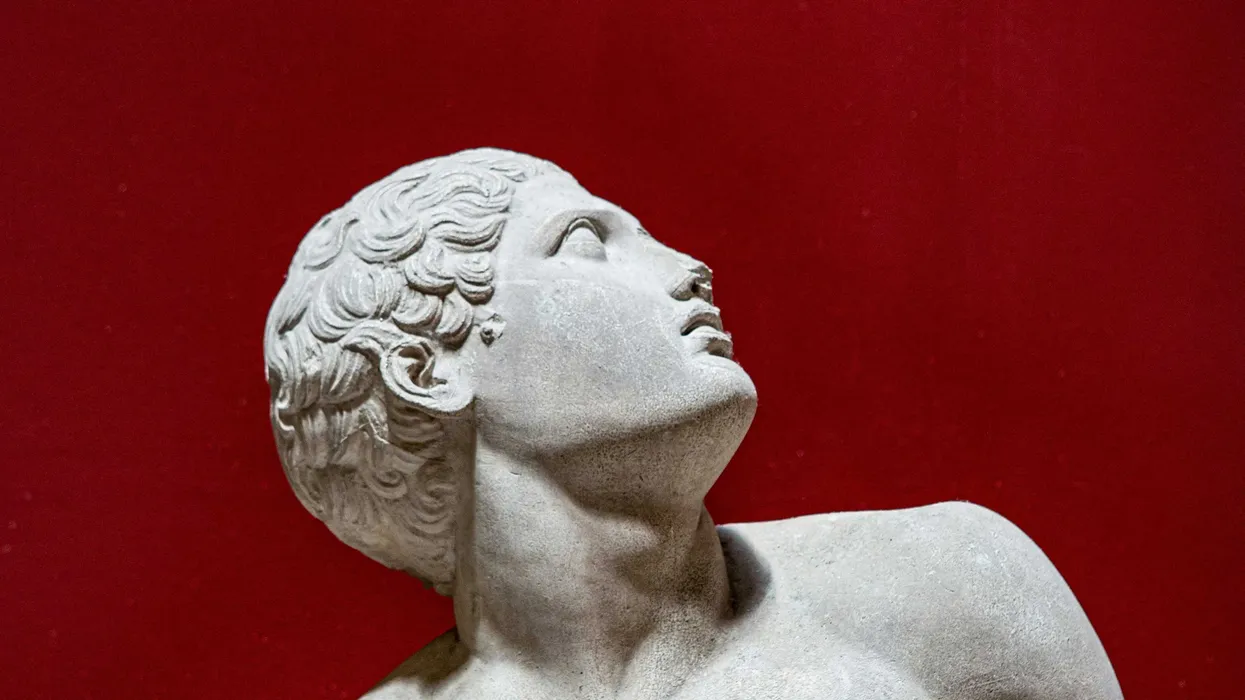
Cynical Publius does include his real name on his account, but Stein argued that no one on the right would have taken him seriously had he used his own photo as a regular, "glasses-wearing nerd," rather than hiding behind the image of a Greek statue.
The reporting comes amid broader questions about Hegseth's tenure at the Pentagon, which has previously drawn scrutiny over his use of personal messaging channels for official business. Whether Congress or Pentagon watchdogs pursue the influencer payments identified in Sommer's and the Post's reporting remains to be seen.
The full podcast conversation is available on YouTube.
