Former Stars and Stripes Publisher Says Pentagon Ordered Him to Fire Journalists for 'Insubordination'
Key Takeaways
- •Max Lederer, who served as publisher of Stars and Stripes, said the Pentagon directed him to fire journalists on insubordination grounds that he believed were actually punishment for exercising free speech.
- •After pressing Pentagon officials for a justification and receiving none, Lederer declined to sign the dismissal letters and decided to retire.
- •Stars and Stripes is a partially government-funded military publication that has served U.S. service members since the Civil War era and is intended to make newsroom decisions free from direction by the officials who fund it.
- •The Washington Post reported in January that prospective hires at the paper were asked how they would support the president's executive orders and policy agenda.
- •Lederer argued that government employees do not forfeit First Amendment rights, though U.S. law allows employers broader latitude to regulate speech connected to the workplace.
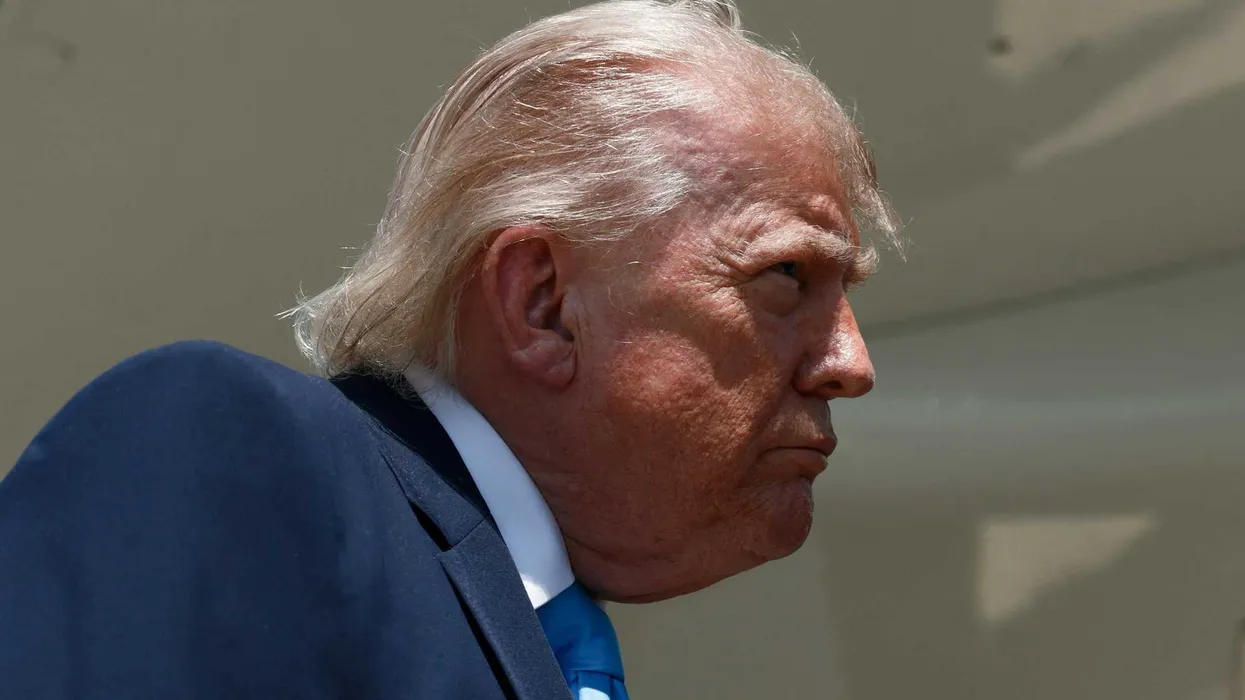
Max Lederer, the former publisher of Stars and Stripes, says the Pentagon directly ordered him to dismiss journalists on grounds of “insubordination” — a directive he describes as punishment for exercising their freedom of speech to report the truth.
“I was just told, ‘do what you’re instructed and serve these notices,’” Leder said during an interview aired on C-SPAN (video), hosted by Military Veterans in Journalism.
Stars and Stripes, the U.S. military news publication funded in part by the government, has served American service members since the Civil War era and is meant to operate with editorial independence — meaning its newsroom decisions are supposed to be free from direction by the officials who help fund it. But The Washington Post reported in January that new hires at the paper were being asked how they would advance President Donald Trump’s “policy priorities” under the second Trump administration.
“How would you advance the President’s Executive Orders and policy priorities in this role?” the question reads. “Identify one or two relevant Executive Orders or policy initiatives that are significant to you, and explain how you would help implement them if hired.”
The report marked one example of a persistent pattern over the past year, as the Trump administration has sought to exert control — in this case, ideological control — over agencies, departments, and programs once deemed independent.
For Lederer, the demand to fire reporters for doing their jobs was the final straw.
“There were a couple of things wrong when I received the direction to terminate them. First: I don’t believe you can direct a supervisor in what they should do and tell them what they should do,” Lederer told C-SPAN. “You can share with them what you believe and … give that supervisor an opportunity to consider and have that conversation. So, my initial reaction was to push back and say ‘I don’t understand the foundation of your conclusion that they were insubordinate and that they were not using their First Amendment rights to speak their personal opinion.’”
“I do not believe that when we put on a uniform or work for the government, we give up all our First Amendment rights,” Lederer continued. “We do have rights to speak up and say what we believe is right or wrong or good or bad about how we serve. But their disciplinary action was saying basically ‘you have no First Amendment Rights.’ It’s not consistent to me to fire somebody who’s exercising their First Amendment right when their job is to speak for other people who are also speaking their First Amendment rights. It didn’t make any sense to me.”
As a general matter under U.S. First Amendment law, public employees retain protection for speech on matters of public concern, though the government has broader latitude to regulate speech connected to the workplace than it does speech by citizens at large.
When Lederer pressed Pentagon officials for answers, he said, none came.
“At that point I said, ‘I’m done.’ I had been trying for months to work within the system to make things better and to keep Stripes on the right path, but I knew I would no longer be able to do that. So, it was my decision to refuse to sign those letters and to retire.”
Disclosure: AlterNet Publisher Roxanne Cooper worked at Stars and Stripes with Mr. Lederer from 2000-2003.

