PBOC Strengthens Counter-Cyclical Measures, Maintains 'Moderately Loose' Policy Without Flood-Like Stimulus
Key Takeaways
- •The PBOC will maintain a moderately loose monetary policy with enhanced counter-cyclical measures through the remainder of 2026 without announcing specific rate cut figures or implementation timelines.
- •The central bank identified the STAR Market technology board, small and medium-sized enterprises, and private sector development as priority areas for targeted credit support.
- •The PBOC explicitly rejected flood-like stimulus, reflecting caution stemming from the debt overhangs and asset bubbles caused by the roughly RMB 4 trillion stimulus deployed during the 2008 global financial crisis.
- •The announcement builds on signals from January 2026, when the central bank indicated that reductions to both the reserve requirement ratio and interest rates were under consideration to sustain liquidity.
- •The central bank's approach emphasizes careful control over credit and liquidity conditions rather than broad-based economic stimulus measures.
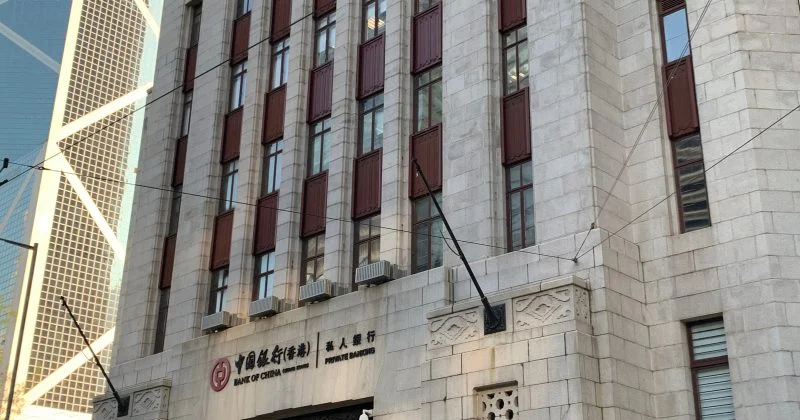
The People's Bank of China (PBOC) announced plans to enhance counter-cyclical adjustment measures while maintaining a "moderately loose" monetary policy for the remainder of 2026, following its second-half work conference held around August 2.
The central bank's statement outlined a strategy centered on ensuring ample liquidity while carefully guiding credit supply to align with economic growth and price stability targets. The PBOC emphasized that it will adapt its policy tools "in a timely manner," providing flexibility to respond to conditions without committing to specific actions.
This approach is consistent with signals from earlier in the year. In January 2026, the central bank indicated that cuts to both the reserve requirement ratio (RRR) and interest rates were under consideration to maintain adequate liquidity. The RRR represents the percentage of deposits that banks must hold in reserve rather than lend out; reducing it frees up capital for lending, effectively increasing money in circulation without printing new currency.
Notably, the latest announcement included no new quantitative targets, no specific rate cut figures, and no implementation timeline.
Priority Areas for Credit Allocation
The PBOC statement highlighted several priority areas for policy support. The central bank specifically referenced the "high-quality development" of a technology board, along with risk-sharing instruments for tech bonds. The STAR Market, launched in 2019 on the Shanghai Stock Exchange as a dedicated board for science and technology firms, has been a cornerstone of Beijing's push to channel capital toward strategic innovation sectors. Small and medium-sized enterprises (SMEs) represent another focus area, with plans to improve credit systems for SMEs.
Private sector development also featured in the statement, continuing a theme central to Beijing's messaging as it works to rebuild business confidence following years of regulatory crackdowns across industries ranging from technology to real estate.
The PBOC's framework reflects a broader tension in China's economic management. The explicit rejection of "flood-like" stimulus signals caution about repeating past episodes in which large-scale stimulus packages inflated asset bubbles and burdened local governments with unsustainable debt levels. The memory of the roughly RMB 4 trillion stimulus deployed during the 2008 global financial crisis—which fueled rapid credit expansion and left lasting debt overhangs—continues to shape policy restraint.
The August 2026 conference continues efforts initiated at the start of the year, with the PBOC's emphasis on targeted implementation rather than broad stimulus reflecting a deliberate focus on maintaining control over credit and liquidity conditions.
