PayPal Stock Faces $60 Test as Q3 Earnings, PYUSD Risks Loom
Key Takeaways
- •PayPal is scheduled to report third-quarter results on Oct. 27, with analysts forecasting revenue of about $8.71 billion, up 3.43% year over year, and EPS of $1.31, slightly below the prior year's $1.34.
- •Active accounts have stagnated at 439 million, and PayPal faces mounting competition from fintech rivals such as Stripe, Block, Apple Pay, and Google Pay, along with stablecoins like USDC and USDT.
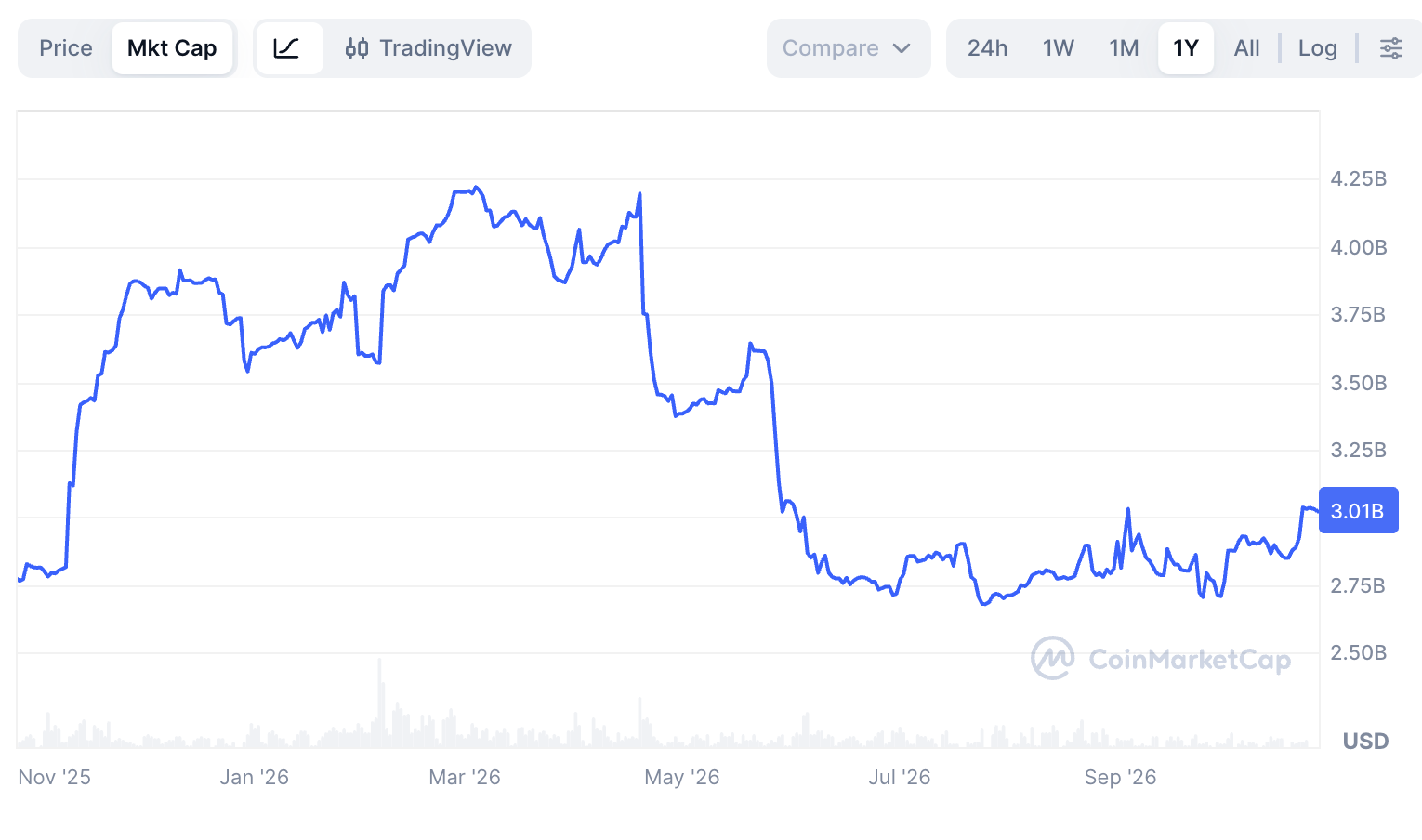
- •The PYUSD stablecoin's valuation has dropped to roughly $3 billion from an earlier peak of $4.2 billion, implying annual stablecoin revenue of only about $129 million at current Treasury yields.
- •PayPal trades at a forward price-to-earnings ratio of 10.5, below both the sector median of 11 and its five-year average of 16.2, making the company a potential takeover target.
- •Technically, PYPL has rebounded from a September low of $50.80 to around $57, with the Supertrend indicator flashing bullish and key resistance seen at $60 ahead of the earnings catalyst.
PayPal (PYPL) shares came under renewed pressure on Oct. 26 as investors positioned themselves ahead of the company's third-quarter earnings report, scheduled for release on Oct. 27. The stock closed at $57.02 on Friday after recovering toward that level earlier, then slipped to approach $55 during Monday's session.
The upcoming results will test expectations for a recovery in PayPal's core business at a time when slowing account growth, intensifying competition from fintech rivals and stablecoin issuers, and a shrinking PYUSD supply remain prominent concerns for investors.
Meager Growth Expected From Q3 Report
PYPL will be in the spotlight this week as the company releases its quarterly numbers, and the mood among analysts is cautious following the last earnings report. Data compiled by Yahoo Finance shows that consensus expectations call for quarterly revenue of approximately $8.71 billion, an increase of 3.43% from a year earlier. That growth rate is modest by the company's own historical standards; a few years ago, PayPal was one of the fastest-growing companies in the United States.
The most recent results illustrated how far the business has lagged. Active accounts remained unchanged at 439 million after rising by just 1%, and overall growth has largely stalled since the pandemic era, when widespread consumer adoption drove a surge in usage of the platform.
On the bottom line, analysts expect earnings per share of $1.31, slightly below the $1.34 the company reported a year earlier. PayPal's earnings per share have recently come in better than expected, however, and that trend may continue this time.
Guidance will also be closely watched. Analysts anticipate that the upcoming outlook will point to fourth-quarter revenue of $8.99 billion, up slightly from $8.68 billion a year earlier. If that proves accurate, full-year revenue would total $34.7 billion, an increase of just 3% year over year. With expectations this muted, management commentary on active account growth and competitive pressure may draw as much attention as the headline numbers.
Competition Intensifies as PYUSD Loses Momentum
PayPal's business has slowed as competition from other financial technology companies has intensified. Stripe and Block rank among the most prominent challengers: Block's Cash App has gained market share from Venmo, while the company's unbranded processing business competes with firms such as Stripe and Affirm. Most notably, PayPal's wallet business faces substantial pressure from Google Pay and Apple Pay. The company also contends with strong competition from stablecoins such as USDC and USDT.
PayPal is itself a significant player in the stablecoin industry through the PYUSD solution, but there are recent signs that the token's growth has lost momentum. CoinMarketCap data shows the coin's valuation has slumped to about $3 billion from a peak of $4.2 billion earlier this year, and its trading volume has also declined over the past few months.
The current market capitalization suggests PayPal is not generating substantial revenue from its stablecoin business. With three-month Treasury bills yielding 4.3%, the stablecoin's annual revenue amounts to roughly $129 million — a tiny fraction of what PayPal makes overall. The arithmetic reflects the standard stablecoin business model, in which issuers park the reserves backing their tokens — typically in short-term instruments such as Treasury bills — and keep the interest they generate.
Still, there is a positive angle for shareholders: PayPal has become highly undervalued. The stock trades at a forward price-to-earnings ratio of 10.5, slightly below the sector median of 11 and well under its five-year average of 16.2. As a result, the company could still emerge as a takeover target, potentially for a private equity firm.
Technical Outlook Points to $60 Resistance
The daily chart shows that PYPL has rebounded over the past few weeks, climbing from a low of $50.80 in September to around $57. The Supertrend indicator, a trend-following tool, has flipped from red to green, a signal traders interpret as bullish, and the stock has also jumped above its 50-day moving average, a sign that buyers have prevailed.
Price action is also working to fill the fair-value gap that emerged after Stripe abandoned its buyout approach. Fair-value gaps are zones left behind when price moves so sharply that little trading takes place, and traders often expect them to be revisited. As a result, the stock may continue rising as investors target key resistance at $60. A move above that level would point to further gains toward $62.
The Oct. 27 earnings release is the next major scheduled catalyst for the stock as it eyes that resistance level.
This article is for informational purposes only and does not constitute financial advice. Stock investments carry risks, including price volatility and potential losses. Readers should conduct independent research before making investment decisions.

