North Carolina Rep. Pat Harrigan turns on Trump’s Iran war, calling it “terrible policy” after narrow midterm win
Key Takeaways
- •Rep. Pat Harrigan of North Carolina, an initial supporter of the Iran war, publicly reversed course and labeled the conflict 'terrible policy,' attributing his party's midterm losses to its economic fallout.
- •Harrigan narrowly won reelection by roughly one point, 49.72% to 48.69% over Democrat Ashley Bell, a steep drop from the 57.5% he secured in the same district two years earlier.
- •Only 35% of registered voters approve of Trump's handling of the Iran war in a recent Harvard CAPS-Harris poll, as the conflict disrupted shipping through the Strait of Hormuz and pushed gas prices higher.
- •Secretary of State Marco Rubio said Tuesday there was 'really no need for major combat operations any longer' in Iran, crediting economic sanctions, even though Trump has called resuming the bombing 'possible.'
- •As a member of the House Armed Services Committee, which writes the annual defense authorization bill, Harrigan's new skepticism carries institutional weight should the military campaign resume.
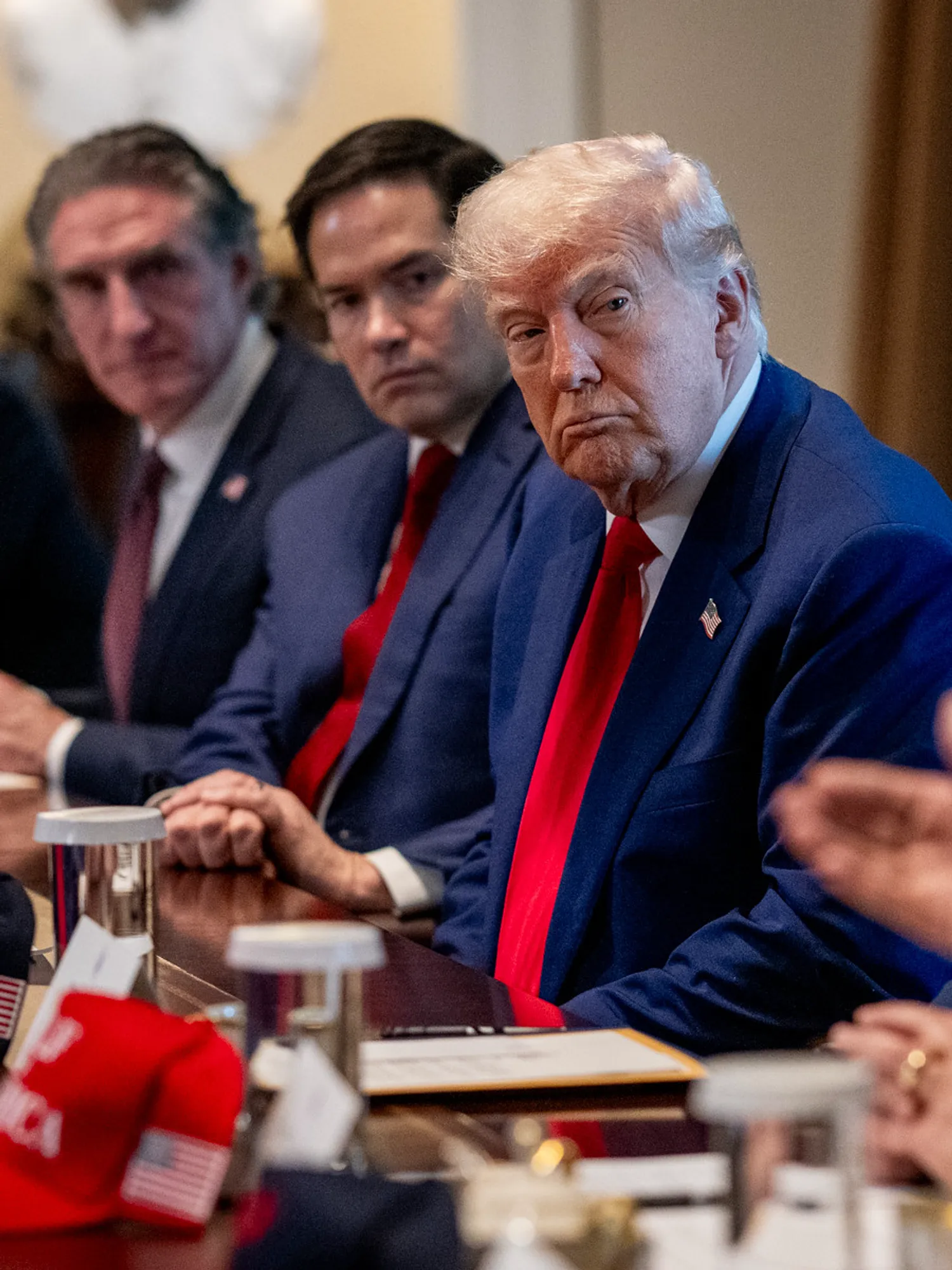
Rep. Pat Harrigan, a North Carolina Republican who publicly cheered President Donald Trump’s war on Iran when it began, is now calling the conflict “terrible policy” and blaming it for the GOP’s midterm losses.
Harrigan unloaded on the war on Wednesday morning during an appearance on Real America’s Voice’s American Sunrise, one week after he barely held on to his House seat.
He argued the conflict wiped out the benefit of this year’s record tax refunds for middle-class families.
“Unfortunately, when April 15th came around and tax returns were the largest in the history of our country, we forced that money, to the American middle class, straight into their gas tanks,” he said, per Mediaite.
“And so the economy and the economic issues surrounding this election were absolutely a complication of the Iran conflict,” Harrigan added. “That was terrible policy, even if it was well-intentioned, and the consequences were incredibly significant.”
The remarks mark a sharp turn for the former Green Beret, who sits on the House Armed Services Committee and backed the war when the United States launched Operation Epic Fury in late February.
“Anyone who has been to war, hates war. But I like what we’re doing, and why,” Harrigan said in a statement at the time. By July, he was warning on Newsmax that the conflict could become a “forever war.”
His own race shows the cost. Harrigan defeated Democrat Ashley Bell by about a point, 49.72 percent to 48.69 percent, in a district covering Iredell, Lincoln and Catawba counties — a seat he had won with 57.5 percent of the vote two years earlier.
He is not alone. Since last week’s blue wave, more Republicans and MAGA voices have begun criticizing the war. Even conservative commentator Victor Davis Hanson listed the Iran war alongside affordability and gas prices among voters’ concerns in a Daily Signal video on Tuesday.
For Trump, the war has dragged on for months, disrupting shipping through the Strait of Hormuz — the narrow Persian Gulf chokepoint that carries roughly a fifth of the world’s oil — and sending gas prices climbing. Only 35 percent of registered voters approved of his handling of it in a recent Harvard CAPS-Harris poll, a joint survey by Harvard’s Center for American Political Studies and The Harris Poll.
Trump paused military action in the run-up to Election Day, but told TIME that resuming the bombing after the midterms was “possible,” and administration officials reportedly told Gulf leaders to prepare for “a short, intense campaign” once the votes were counted.
The administration now appears to be backing off. Secretary of State Marco Rubio, traveling to a G7 meeting in France, conceded over the weekend that the war is not “necessarily popular.” On Tuesday, he told reporters there was “really no need for major combat operations any longer” in Iran, pointing to the success of economic sanctions.
What happens next also runs through Capitol Hill, where Congress holds the power of the purse and Harrigan’s Armed Services Committee writes the annual defense authorization bill — giving his new skepticism institutional weight should the campaign resume.

