Panama Canal Postpones Draft Cut as Rains Bring Respite
Key Takeaways
- •The Panama Canal Authority postponed a draft reduction to 14.48 m scheduled for October 1, maintaining the maximum authorised draft at 14.63 m in tropical fresh water.
- •Rainfall in the canal watershed from May through August ran 34% below the historical average, with inflows 44% below normal.
- •Daily booking availability will drop from 34 vessels to 32 starting in mid-September as the ACP manages limited water supplies.
- •South Korea's SK Gas paid a record $5.3 million to secure a September 1 transit for the LPG carrier G. Spirit, and unreserved vessels have faced waits of nearly 11 days.
- •The ACP warned the reprieve is not permanent, and further draft adjustments could occur if Gatun Lake levels or the hydrological outlook deteriorate.
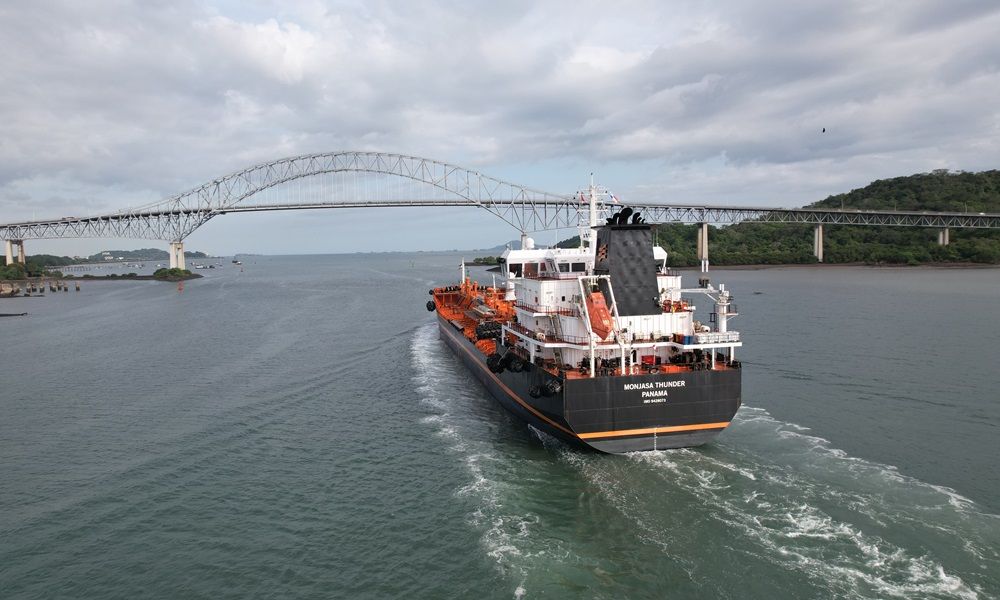
The Panama Canal has postponed its latest planned neopanamax draft restriction, giving shipowners a measure of relief after a summer of steadily tightening water constraints.
The Panama Canal Authority (ACP) announced on Friday that it will keep the maximum authorised draft at 14.63 m (48 ft) in tropical fresh water. A reduction to 14.48 m (47.5 ft), which had been scheduled to take effect on October 1, has been postponed following an improved assessment of Gatun Lake levels and weather projections. For operators, even small draft reductions matter: each centimetre of lost draft forces vessels to carry less cargo or lighten loads before transit, adding cost and complexity on a route that handles roughly 5% of global maritime trade.
The decision marks a rare piece of positive news after months in which the canal has been preparing defensively for a strengthening El Niño. The waterway relies on freshwater from Gatun Lake both to fill its locks and to float ships, making it unusually exposed to rainfall variability in a way most other major shipping chokepoints are not.
As Splash reported last month, cumulative rainfall across the canal watershed from May through August was running 34% below the historical average, with inflows 44% below normal. Draft restrictions have been introduced progressively since June, reviving memories of the severe 2023-24 drought, when canal throughput fell as much as 40% below normal.
Capacity, however, remains constrained. Daily booking availability is due to drop from 34 vessels to 32 from mid-September, with the ACP combining reduced transit numbers with revised auctions and a more flexible booking system to stretch available water supplies.
The tightening has already driven the cost of guaranteed passage to extraordinary levels. South Korea's SK Gas paid a record $5.3m late last month to secure a September 1 transit for the LPG carrier G. Spirit, while vessels arriving without reservations have recently faced waits approaching 11 days. During the 2023-24 drought, some carriers responded by diverting ships to the longer Suez Canal route or moving cargo to land bridges across the Americas, options that carry their own costs and, in the case of the Suez route, separate risk exposure.
The ACP stressed that Friday's reprieve is not permanent: Gatun Lake levels and weather conditions continue to be monitored, and further draft adjustments remain possible should the hydrological outlook deteriorate. Longer term, the canal's dependence on freshwater has prompted discussions in Panama about additional water management infrastructure, though no such project has yet been completed.
Source: Splash247
