Republicans Bleed Support as Trump's Name Becomes Kryptonite in States He Won
Key Takeaways
- •Georgia Sen. Jon Ossoff has resisted moderating his votes or message, instead opposing Trump's agenda in Congress and attacking Republicans on the campaign trail.
- •Trump endorsements decided several Republican primaries, including Ken Paxton's win over Sen. John Cornyn in Texas and Cassidy's defeat in Louisiana despite his largely pro-Trump voting record.
- •A June Fox News poll found 56 percent of Georgia voters hold an unfavorable view of Trump, and the state has shifted toward swing-state status after electing Democrats statewide including Ossoff in 2021.
- •Ossoff's strong race position, fundraising, and confrontations with Trump administration officials have intensified speculation about his presidential prospects, which he avoids discussing.
- •Republicans' narrow Senate majority in the 2026 midterms will depend on races where Trump-aligned nominees must appeal beyond their primary electorates.
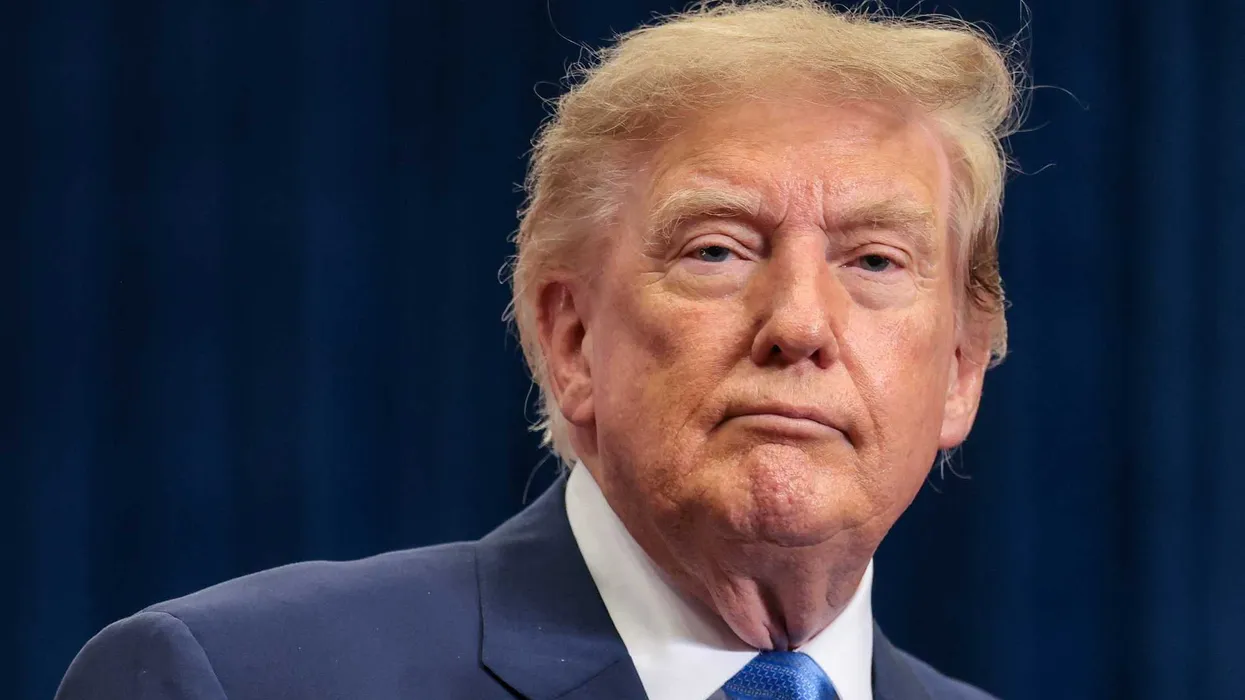
In Georgia and other states, Democrats are doing what once seemed unthinkable, reports the New York Times — and President Donald Trump's Republican Party does not appear to know how to respond.
For nearly ten years, Republicans have won their primaries by glomming onto Trump's side and out-Trumping their Republican adversaries. Sen. Darline Graham (R-SC) won her South Carolina Senate primary against Rep. Ralph Norman (R-SC) solely by virtue of Trump's endorsement, which still carried enough weight in the Republican Party to carry her over the finish line despite a devastating gaffe on international policy in an interview. Democratic operatives called her "dumb as concrete," and even many Republican voters felt she was woefully unprepared to lead the state as senator.
"She has a master's and she's helped people that are blind and she's a lovely woman advocate. But I don't feel like she has the experience," said at least one of many 2024 Trump voters surveyed by the Bulwark.
Sen. Bill Cassidy went down in flames in Louisiana's Republican primary this year after Trump endorsed his opponent. It did not matter that Cassidy voted in line with Trump on nearly every issue, even agreeing to confirm Trump's controversial Health and Human Services (HHS) Secretary Robert F. Kennedy Jr. despite strong reservations about Kennedy's anti-vaccine views.
Loyalty to Trump, regardless of other credentials or accomplishments, remains the litmus test for political viability within the Republican Party. Cassidy's opponent managed to out-MAGA Cassidy among Louisiana's mostly white Republican electorate. Cassidy had also made the politically deadly mistake of voting to impeach Trump in 2021 for trying to steal the election with an elaborate fake electors scheme, and "miscalculated Trump's vengeance," according to critics.
Meanwhile, in Texas, Sen. John Cornyn lost his Republican primary to MAGA-aligned contender Ken Paxton, despite Paxton's long rap sheet of scandals. Trump officially opted to endorse Paxton, sending shockwaves of panic and doubt throughout the Texas GOP due to Paxton's considerable flaws.
A Trump endorsement is all it takes for Paxton and other Trump-aligned Republicans to win their Republican primaries — but Republicans must now contend with the fact that general election voters are not the hard-right MAGAsphere that decides victory in GOP primaries. The pattern carries high stakes for the 2026 midterms, where control of the Senate — currently narrowly held by Republicans — will hinge on races in states where Trump-aligned nominees must now appeal beyond the primary electorate that selected them.
In Georgia, for example, the Democratic candidate running against Republican contender Mike Collins is using a strategy based in large part on taking advantage of Trump's sagging approval ratings. A Fox News poll in June found Trump with net-negative ratings in Georgia, with 56 percent holding an unfavorable view of him. And since the only thing it takes to survive a GOP primary is a Trump endorsement — rather than witty conversation and solid policy — Collins' standing is weak. Georgia itself has shifted toward swing-state status in recent cycles: Trump carried it in 2024, but the state has also elected Democrats statewide, including Ossoff himself, who won his seat in a January 2021 runoff.
Historically, Democrats running in deep-red Southern states have had to alienate their own party to get any traction at all, and even then their "Republican-lite" positioning only lasted so long before a Republican ousted them. But incumbent Georgia Sen. Jon Ossoff "hasn't moderated his votes or his message to appeal to a broader swath of voters, as Democrats in competitive statewide races often do in the conservative-leaning South," reports the Times.
"Instead, he has dived into his party's efforts to thwart the president's agenda in Congress, and sharpened his attacks on Mr. Trump and Republicans on the campaign trail," the Times said.
His message is resonating with voters, and the Times reports the Georgia incumbent is looking more presidential by the week.
"Mr. Ossoff's strong position in the race, formidable fund-raising and increasingly prominent confrontations with Trump administration officials have supercharged speculation about his presidential prospects, a topic he stubbornly avoids," the Times said. How that dynamic plays out in Georgia — and whether other Democrats in Trump-won states follow Ossoff's unapologetic approach — will be one of the defining storylines of the November midterms.

