OpenSea Adds Solana NFTs as LiquidChain Pushes Multichain Layer 3 Model
Key Takeaways
- •OpenSea announced Solana NFT support on August 31 for its OS2 marketplace, which already spans more than 25 blockchains.
- •The Solana addition lets collectors trade Solana-based NFTs alongside Ethereum and other network assets on the same platform.
- •LiquidChain is building a Layer 3 designed to let applications operate across Bitcoin, Ethereum, and Solana through a shared execution and liquidity environment.
- •LiquidChain says its protocol uses cross-domain proofs, messaging, and atomic processing so multichain transactions complete fully or roll back.
- •The LIQUID presale has raised $959,000 at a price of $0.0149, with staking advertised at 1,190% APY and token claims set to open on Ethereum after the presale ends.
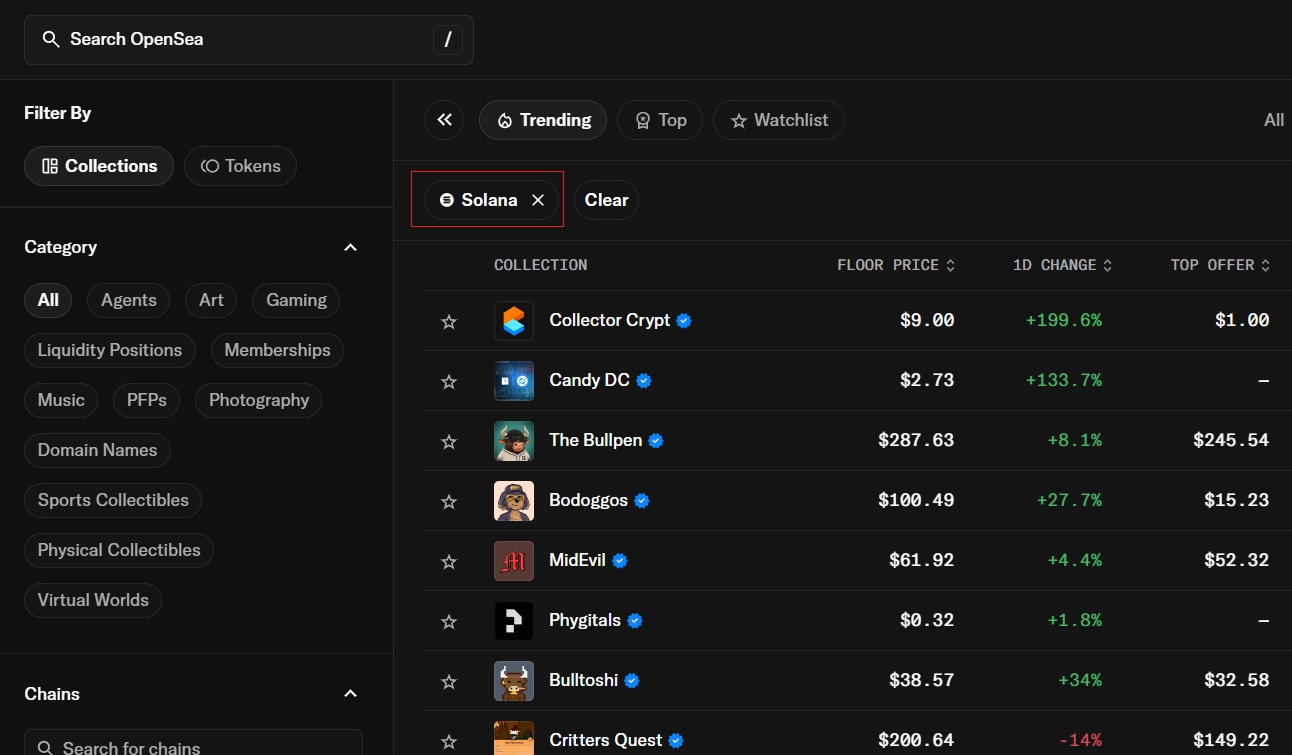
OpenSea is expanding its multichain ambitions by bringing Solana NFTs onto a marketplace that already supports more than 25 blockchains.
The NFT platform announced Solana support on August 31, allowing collectors to discover, buy, and sell Solana-based NFTs alongside assets from Ethereum and dozens of other networks. OpenSea said its OS2 platform was rebuilt around a multichain model, with Solana described as a particularly important addition because it is one of the largest ecosystems outside the EVM world.
For creators, the move opens Solana collections to buyers outside their native marketplaces. For OpenSea, it reduces dependence on the success of any single blockchain, while also reflecting a broader shift in crypto products: the biggest platforms increasingly have to meet users where their assets already are.
That same idea is central to LiquidChain (LIQUID), although the project is addressing multichain access much deeper in the technology stack. Its Layer 3 is designed to let applications operate across Bitcoin, Ethereum, and Solana through a single execution and liquidity environment, rather than expanding chain by chain later.
The LIQUID presale has now raised $959,000, with tokens priced at $0.0149 as funding approaches the $1 million mark.
LiquidChain Builds Multichain Expansion Into the Protocol
OpenSea’s Solana move highlights the practical appeal of going multichain: an application with an established audience naturally wants access to more users, creators, and assets. LiquidChain says it wants developers to have that reach from their first deployment, instead of rebuilding the same product for each new chain.
Its architecture combines a Solana Virtual Machine-based execution engine with cross-domain proofs and messaging.
Bitcoin transactions, Ethereum account states, and Solana accounts can all be referenced inside LiquidChain’s execution environment, allowing applications to coordinate activity originating on fundamentally different blockchains.
One by one, the chains answer the call. ⟁ pic.twitter.com/LUk2G4q8IT — LiquidChain (@getliquidchain) August 25, 2026
LiquidChain verifies those packets before related operations are processed atomically, meaning the complete multichain transaction either succeeds or rolls back rather than leaving part of it stranded on another network.
The protocol also uses infrastructure such as LayerZero, Axelar, and Wormhole for cross-domain messaging while retaining its own verification layer. Assets from connected networks can be represented within LiquidChain without relying on conventional wrapped-token markets.
That is more ambitious than a bridge designed simply to move a token from chain A to chain B. LiquidChain aims to make the application itself behave as though liquidity across several chains belongs to one accessible market.
What a Multichain Execution Layer Can Actually Do
The advantages are easier to understand at the application level. A decentralized exchange built entirely around Ethereum depends mainly on liquidity available within that ecosystem. Building another Solana deployment can reach a different audience, but it also creates more infrastructure to maintain and another fragmented set of liquidity pools.
LiquidChain’s “deploy once, reach everyone” model is designed to give the same application access to Bitcoin, Ethereum, and Solana through a shared underlying layer. The project says its unified liquidity pools are intended to provide deeper markets, faster execution, and improved pricing.
That can matter for traders directly: deeper liquidity generally means less slippage when executing larger swaps, while atomic routing could allow a transaction involving several networks to complete as one operation rather than as a series of separate manual steps.
Lending protocols can reach collateral and borrowers across ecosystems, prediction markets can expand their participant base, and trading apps can address multiple user groups from a single deployment. Developers also spend less time rebuilding essentially the same product for different chains.
LiquidChain is also developing a Unified Liquidity Application that includes planned portfolio aggregation, cross-chain asset analytics, atomic swaps, liquidity routing, and API access to its Proof Registry.
OpenSea has effectively reached a similar conclusion from the application side. Ethereum remains important, but so does Solana, and users increasingly expect major platforms to reach them wherever their assets already live.
LiquidChain is trying to make that kind of expansion infrastructure rather than an additional development project.
Will Exchange Listings Make LIQUID the Next Crypto to Explode?
LIQUID remains at a much earlier stage than the established networks and applications it wants to connect.
The presale has raised $959,000, while the token remains available for $0.0149. Presale staking currently offers 1,190% APY, and the project’s code has undergone security reviews from SpyWolf and CertiK.
Its role extends beyond staking. LIQUID is intended for network participation, governance, and access to features within the Layer 3 ecosystem.
Once the presale concludes, tokens will become claimable on Ethereum when the smart contract claim window opens.
That will move LIQUID from a presale market toward broader public trading while the underlying network continues to develop.
OpenSea’s Solana expansion offers a useful glimpse of the broader direction: successful crypto products increasingly have little reason to restrict themselves to one blockchain when users, assets, and liquidity are distributed across several.
LiquidChain is building around that reality from the start, especially if the next generation of applications expects Bitcoin, Ethereum, and Solana to be markets it can reach simultaneously rather than separate worlds.
The post Next Crypto to Explode as OpenSea Makes Major Multichain Push appeared first on icobench.com.
