OpenAI Data Center Head Chris Malone Departs Amid Executive Turnover
Key Takeaways
- •Chris Malone joined OpenAI in March 2025 after nearly five years as a distinguished engineer at Meta.
- •OpenAI moved away from heavy reliance on the Stargate joint venture and increased its use of leased cloud capacity.
- •Malone discussed OpenAI’s plans for multi-channel capacity and self-built facilities at Yotta 2025.
- •His exit is part of a wider pattern of senior leadership departures at OpenAI throughout 2026.
- •No official successor or public confirmation of Malone’s exit or future plans had been announced as of August 25, 2026.
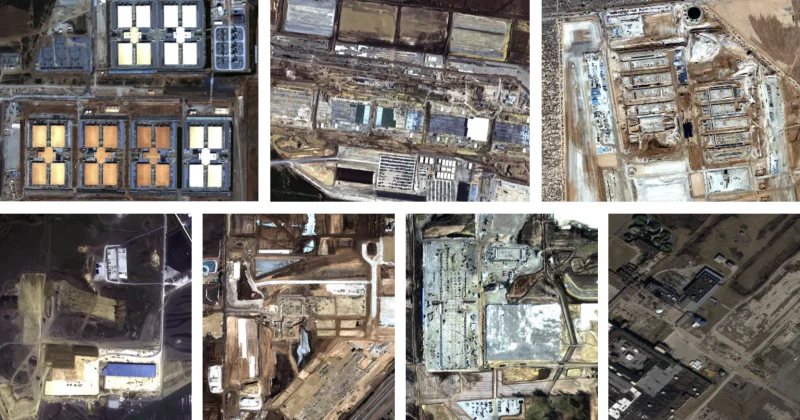
Chris Malone, the executive responsible for overseeing OpenAI's data center operations, has left the company. His departure comes during a period of significant executive turnover at the AI firm, which has been reshuffling its leadership ranks while simultaneously rethinking its approach to the massive computing infrastructure needed to power its AI models. The role sits at the center of one of the defining constraints of the current AI era: access to compute capacity, which shapes how quickly frontier models can be trained and delivered.
Malone joined OpenAI in March 2025 after nearly five years as a distinguished engineer at Meta, a company that has built out its own AI training infrastructure at scale. His tenure at OpenAI coincided with some of the most consequential infrastructure decisions in the company's history.
A shifting data center strategy
Under Malone's watch, OpenAI carried out a notable pivot in how it plans to secure compute capacity. The company shifted away from relying heavily on the Stargate initiative, a joint venture focused on building high-capacity data infrastructure with partners including Microsoft, and moved toward leasing greater capacity from cloud providers instead.
That choice sits inside a build-versus-lease tradeoff the wider industry is still negotiating. Owning facilities offers long-term control over capacity, while renting from cloud providers delivers speed and flexibility without the same up-front capital outlay, a balance every major AI developer is currently weighing as demand for training and inference compute continues to grow.
Malone was also vocal about OpenAI's infrastructure ambitions at public industry events. At Yotta 2025, he discussed the company's plans for multi-channel capacity and self-built facilities. The subsequent shift toward leasing suggests that picture evolved considerably in a short time.
The restructuring of OpenAI's data center strategy became more apparent around March 2026, when the company moved to reduce its dependence on exclusivity with the Stargate joint venture.
Executive turnover accelerates
Malone is not leaving in a vacuum. His exit is part of a broader pattern of senior leadership departures at OpenAI throughout 2026, with key roles in revenue, operations, and infrastructure all experiencing turnover. Changes at the top of the infrastructure organization carry particular weight here, because data center capacity is typically planned and committed years before it comes online, so today's leadership decisions shape the compute available to the company well into the future.
Going public would fundamentally change OpenAI's operating dynamics, and it is possible that some of the turnover reflects the company proactively installing the kind of leadership team that Wall Street expects to see.
No official announcement has been made regarding Malone's successor. As of August 25, 2026, no public confirmation concerning his exit or his future plans has been made available. The open questions now are who inherits responsibility for the infrastructure portfolio, how the mix of Stargate, self-built facilities, and leased cloud capacity continues to develop, and whether the pattern of senior departures extends further.

