OpenAI Launches ChatGPT Wallet for AI Agent Payments With Visa, Mastercard and American Express
Key Takeaways
- •OpenAI's new ChatGPT wallet lets AI agents make purchases for users in partnership with American Express, Mastercard and Visa.
- •Purchases are authorized with biometric verification, and payment networks issue tokenized credentials so merchants and AI agents never see actual card numbers.
- •The service is initially available to ChatGPT Pro subscribers in the United States who hold eligible US-issued cards.
- •OpenAI intends to eventually permit purchases within preset spending limits and other restrictions without requiring approval for each transaction.
- •Juniper Research projects global agentic commerce transaction value will grow from an estimated $8 billion in 2026 to $1.5 trillion by 2030, a nearly 190-fold increase.
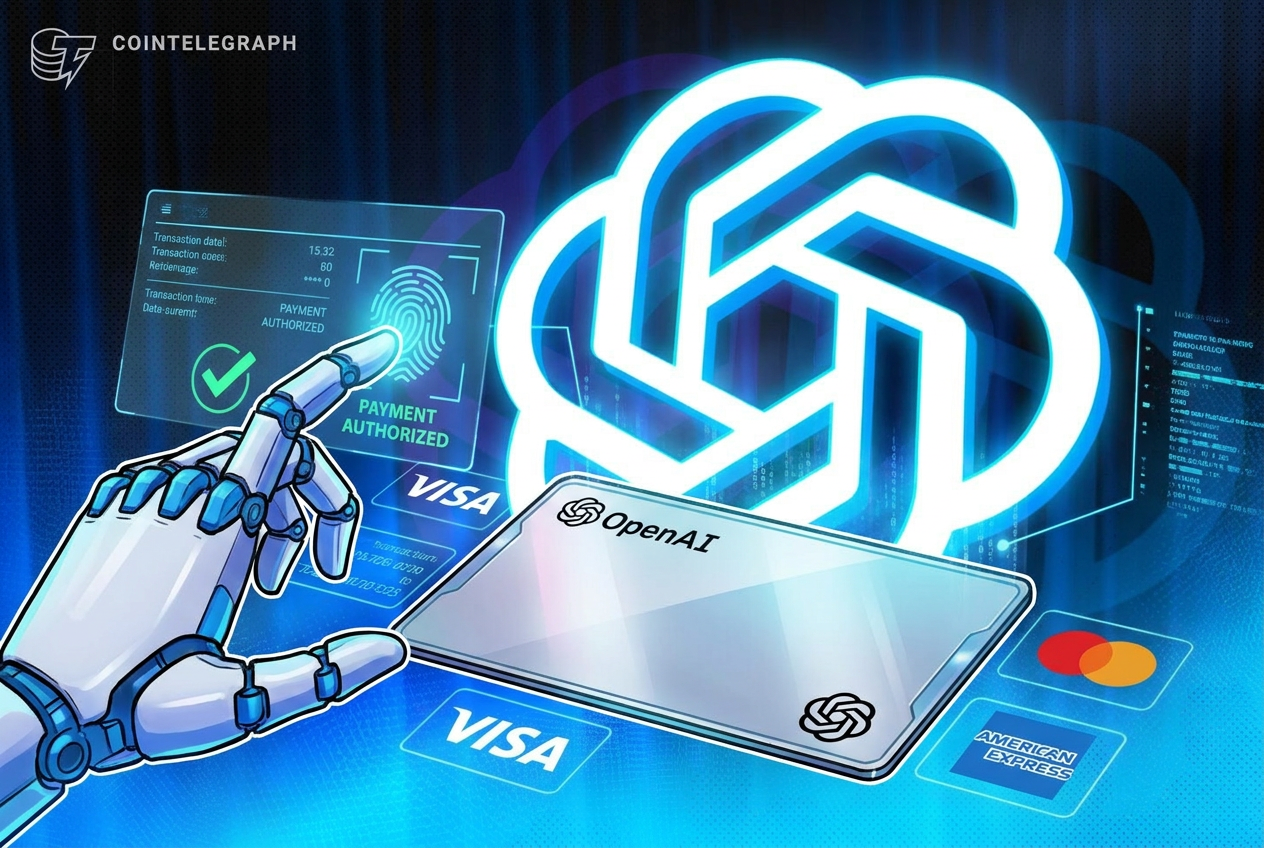
OpenAI on Friday introduced a ChatGPT wallet feature that allows AI agents to make purchases on behalf of users through existing payment networks, working in collaboration with American Express, Mastercard and Visa. The company detailed the launch in an official announcement.
The wallet lets users authorize transactions with biometric verification, such as facial recognition or fingerprints. For each approved purchase, the payment networks generate tokenized card credentials, keeping users’ actual card details hidden from both merchants and AI agents, the company said. Tokenization is the same safeguard that underpins consumer mobile wallets, where a token stands in for the card number at checkout, giving cardholders a familiar protection model as they delegate spending to software.
The service is initially rolling out to ChatGPT Pro subscribers in the United States with eligible cards issued in the country. OpenAI said it plans to eventually support purchases made within preset spending limits and other restrictions without requiring approval for each transaction.
The launch comes as AI companies seek to move beyond product recommendations into executing transactions, a shift that could change how consumers interact with online merchants. OpenAI said it is working with payment processors and fraud prevention firms to support AI purchases through existing checkout systems.
OpenAI joins a growing field of companies developing payment systems for AI agents. Google introduced its Agent Payments Protocol in 2025, while Visa and Mastercard have launched initiatives to support AI-initiated transactions.
Crypto companies are also building payment infrastructure for AI agents. Coinbase introduced its x402 protocol in 2025, enabling autonomous stablecoin payments for digital services, while Circle launched its Agent Stack in May, allowing agents to hold and spend USDC within predefined limits. Crossmint, which provides stablecoin infrastructure, has taken a different approach by combining stablecoin wallets with traditional card networks. Which of these approaches — tokenized card credentials on established networks versus stablecoin-native rails — becomes the default for agent purchases remains an open question as payment infrastructure for AI agents matures.
Global agentic commerce transaction value is expected to reach $1.5 trillion by 2030, up from an estimated $8 billion in 2026 — a nearly 190-fold increase over four years — according to an April report from Juniper Research.
Source: Cointelegraph

