Trump Softens Policy Stance as OPEC+ Raises Oil Output by 188,000 Barrels Per Day
Key Takeaways
- •OPEC+ increased oil production by 188,000 barrels per day for August as part of a continued series of monthly output hikes.
- •The coalition is gradually reversing voluntary production cuts of approximately 2.2 million barrels per day that were primarily led by Saudi Arabia and Russia to support prices.
- •Prediction market odds for crude oil reaching a new all-time high by September 30 declined to 4% from 6% the prior week.
- •Former President Donald Trump has eased his stance on policies that had previously unsettled investors, contributing to a calmer market environment.
- •The Strait of Hormuz, through which roughly one-fifth of global oil consumption passes, remains a recurring flashpoint for supply disruption concerns.
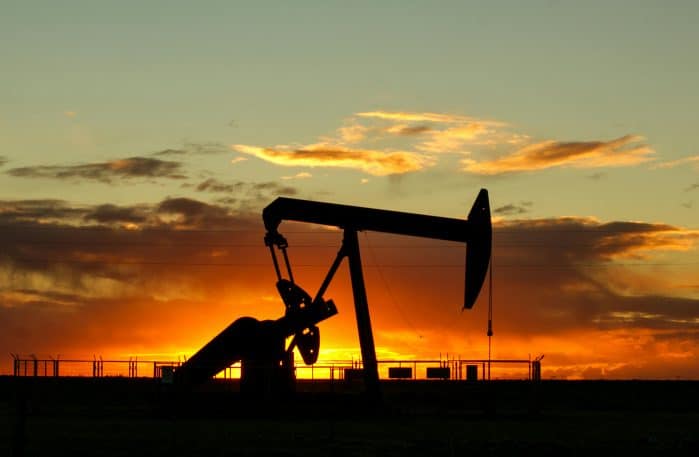
Markets have stabilized following a recent shift in U.S. policy and increased production from OPEC+. According to CNBC, former President Donald Trump has eased his stance on policies that had previously unsettled investors, contributing to a more stable market environment.
Concurrently, OPEC+ has increased oil production by 188,000 barrels per day for August, continuing a series of monthly output hikes. The production increase comes as oil prices had been under pressure from earlier highs driven by Middle East tensions and disruptions in the Strait of Hormuz.
OPEC+, which includes the Organization of the Petroleum Exporting Countries and allied producers such as Russia, coordinates production levels among its member states to influence global supply. Collectively, OPEC+ accounts for roughly 40% of world oil production and a larger share of exports, giving its output decisions outsized weight in price formation. The group has been gradually unwinding earlier voluntary production cuts — totaling approximately 2.2 million barrels per day and led primarily by Saudi Arabia and Russia — that were implemented to support prices.
The Strait of Hormuz, a narrow chokepoint between Oman and Iran through which roughly one-fifth of global oil consumption passes, has been a recurring flashpoint for supply concerns. Any disruption to tanker traffic there would affect crude deliveries to major importers across Asia and Europe.
OPEC+'s decision to raise oil production appears to have reduced the likelihood of crude oil reaching a new all-time high by September 30. Prediction market pricing suggests diminished concerns over oil scarcity, with September odds for a new price high now at 4%, down from 6% a week earlier. The last time oil approached nominal record territory was mid-2008, when Brent and U.S. benchmark crude surged toward $150 per barrel before collapsing amid the global financial crisis. Oil prices also feed directly into consumer inflation through gasoline, diesel, and shipping costs, linking OPEC+ supply decisions to household energy bills and central bank inflation targets.
Trump's softer policy stance may indicate reduced geopolitical tension, contributing to a calmer market environment.
Observers are monitoring further announcements from OPEC+ regarding potential adjustments in production levels. Key figures such as Mohammad Sanusi Barkindo of OPEC and Abdulaziz bin Salman Al Saud, Saudi Arabia's Energy Minister, may provide signals about future oil production strategies. Any significant geopolitical developments involving the U.S. or the Middle East could also influence oil prices and broader market sentiment.

