Brent Crude Oil Climbs Above $94 as Strait of Hormuz Tensions Fuel Supply Concerns
Key Takeaways
- •Brent crude climbed above $94 per barrel, representing a nearly 38% increase from its July trading level near $68.
- •Iran's declaration that the Strait of Hormuz would remain closed contradicted President Trump's claim that a framework had been reached to fully reopen the strategic waterway.
- •Approximately 20 million barrels of oil flow through the Strait of Hormuz each day, accounting for roughly one-fifth of global oil consumption.
- •The sharp rise in oil prices has renewed inflation concerns worldwide, potentially complicating monetary policy decisions for central banks across major economies.
- •Major Asian energy importers including China, Japan, India, and South Korea are particularly vulnerable to any prolonged disruption through the strait.
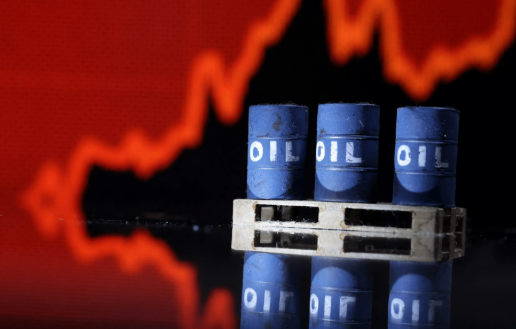
Global oil markets have entered a period of heightened uncertainty after Brent crude prices surged above $94 per barrel, extending a dramatic rally that has pushed prices nearly 38% higher from their July low. The sharp increase comes as geopolitical tensions surrounding the Strait of Hormuz continue to erode investor confidence and raise concerns about potential disruptions to global energy supplies.
The development was also highlighted by cryptocurrency and financial analysis platform Coin Bureau through its X account, drawing attention from market participants monitoring the impact of geopolitical events on commodities and global markets.
Brent Crude Rallies Nearly 38% From July Low
Brent crude, one of the world's leading oil benchmarks, climbed above $94 per barrel after trading near $68 in July. The rapid increase represents one of the strongest short-term rallies in the oil market this year, driven largely by concerns over supply security and geopolitical uncertainty.
Oil prices are highly sensitive to developments involving major producing regions because even the possibility of supply disruptions can influence trading decisions. The Strait of Hormuz plays a central role in global energy markets because it connects major oil-producing countries in the Middle East with international shipping routes. Any prolonged disruption could affect millions of barrels of crude oil shipments and potentially increase energy costs worldwide. Investors often react before actual supply shortages occur, pricing in possible risks based on political developments and security concerns.
Iran Says Strait of Hormuz Closure Will Continue
The latest market reaction followed statements from Iran indicating that the Strait of Hormuz would remain closed. The statement reportedly contradicted claims from U.S. President Donald Trump, who said a framework had been reached to "fully reopen" the strategic waterway.
The conflicting messages created additional uncertainty among traders who were attempting to assess the likelihood of future oil supply disruptions. Energy markets rely heavily on clear information because expectations about future supply and demand often influence prices as much as current production levels. When governments provide conflicting signals, investors may become more cautious and increase exposure to assets considered safer during periods of uncertainty. The disagreement over the status of the Strait of Hormuz has therefore become a major factor influencing oil market sentiment.
Why the Strait of Hormuz Matters to the Global Economy
The Strait of Hormuz is considered one of the most strategically important energy routes in the world. Located between the Persian Gulf and the Gulf of Oman, the waterway provides a critical passage for oil shipments from major Middle Eastern producers. Approximately 20 million barrels of oil per day flow through the strait, representing roughly a fifth of global oil consumption. Countries across Asia, Europe, and other regions depend heavily on energy transported through this route, with major importers such as China, Japan, India, and South Korea particularly exposed to any disruption.
A prolonged closure or serious disruption could create significant consequences for global markets. Higher oil prices can affect transportation costs, manufacturing expenses, inflation levels, and consumer prices. Governments and central banks closely monitor energy markets because sudden increases in oil prices can complicate efforts to manage inflation and economic growth. The strait has been a flashpoint before, including during the Iran-Iraq War in the 1980s when attacks on commercial shipping in the Persian Gulf became known as the "Tanker War." The recent surge in Brent crude demonstrates how quickly geopolitical events can influence financial markets.
Investors Prepare for Possible Energy Supply Disruptions
The oil market has responded strongly to uncertainty surrounding the region. Traders have been watching developments closely, evaluating whether the situation could lead to a temporary disruption or a longer-term challenge for energy supplies. A major concern is whether shipping restrictions could reduce the amount of crude reaching international markets.
Even without a complete supply interruption, increased insurance costs, shipping delays, and security concerns could affect energy prices. Oil companies and financial institutions often adjust their strategies based on potential risks rather than waiting for actual disruptions to occur. This behavior can contribute to faster price movements during periods of geopolitical tension.
Global Inflation Concerns Return as Oil Prices Rise
The rise in crude oil prices has also renewed concerns about inflation. Energy costs influence many parts of the global economy, affecting everything from transportation and industrial production to household expenses. If oil prices remain elevated for an extended period, businesses may face higher operating costs that could eventually be passed on to consumers.
Central banks around the world closely monitor energy prices because inflation trends influence decisions about interest rates and monetary policy. A sustained oil rally could make inflation management more challenging, particularly in economies that rely heavily on imported energy. The International Energy Agency and other energy watchdogs track such disruptions as part of their mandate to advise member governments on energy security. However, the long-term impact will depend on how quickly the situation surrounding the Strait of Hormuz develops and whether alternative energy supplies can offset potential disruptions.
Oil Producers and Markets Watch Next Developments
Major oil-producing nations are closely monitoring the situation as prices continue to rise. Higher crude prices can benefit producers by increasing export revenues, but extreme volatility can create uncertainty for both producers and consumers. Energy companies often prefer stable markets because predictable prices make it easier to plan investments and manage operations.
A sudden price spike may provide short-term benefits for producers but can also increase pressure from consumers and governments concerned about rising costs. OPEC+ members, who coordinate production levels among major oil-exporting nations, face additional complexity when geopolitical risk rather than fundamentals drives prices. The coming weeks could be important for determining whether the current oil rally continues or begins to slow.
Market Reaction Highlights Geopolitical Risks
The latest movement in Brent crude serves as another example of how geopolitical developments can quickly reshape financial markets. Investors across multiple sectors are increasingly paying attention to political events, security issues, and international relationships because they can directly influence economic conditions.
Oil markets are particularly sensitive because energy supplies are closely connected to global stability. The conflict between competing statements regarding the Strait of Hormuz has demonstrated how uncertainty itself can become a major market force. Even before physical supply disruptions occur, expectations and fears can move prices significantly.
Energy Markets Enter a Critical Period
With Brent crude trading above $94 per barrel, attention is now focused on whether tensions surrounding the Strait of Hormuz will escalate further or move toward resolution. Market participants are watching government statements, shipping developments, and diplomatic efforts for signs of a potential shift.
A reopening of the waterway could reduce pressure on oil prices, while continued restrictions could keep markets elevated. The situation also highlights the continued importance of Middle Eastern energy routes despite the global expansion of renewable energy and alternative technologies. Oil remains a critical component of the global economy, and disruptions in major supply channels can still have worldwide consequences.
Brent crude's rapid rise above $94 per barrel reflects growing concerns over global energy security as uncertainty surrounding the Strait of Hormuz continues. The nearly 38% increase from July's low demonstrates how quickly oil markets can respond to geopolitical developments and conflicting government statements. While the final impact on global energy supplies remains uncertain, traders and policymakers are closely monitoring the situation. The dispute over whether the Strait of Hormuz will remain closed or reopen has placed the region back at the center of global market attention.

