OPay Scraps $304 Million US IPO Following Chinese Regulatory Inquiry
Key Takeaways
- •OPay abandoned its planned $304 million U.S. IPO after a Chinese regulatory inquiry surfaced, with SEC filings on October 30 confirming the offering was halted and the underwriting agreement terminated.
- •The deal would have offered 16 million American depositary shares at $19 each, valuing OPay at about $4 billion, the lower end of its intended $19 to $21 price range.
- •The inquiry is reportedly centered on founder Zhou Yahui, whose association with Kunlun Tech represents OPay's sole connection to China, as the company has no operations or revenue there.
- •OPay has stated the inquiry does not indicate any issues with its business performance, finances, or regulatory status, and its operations and customer services in Nigeria and other markets remain unaffected.
- •As of July 31, 2026, OPay reported approximately 50 million monthly active users across Nigeria, Egypt, Pakistan, and Indonesia, and has not decided whether to pursue a listing elsewhere or revive the U.S. offering.
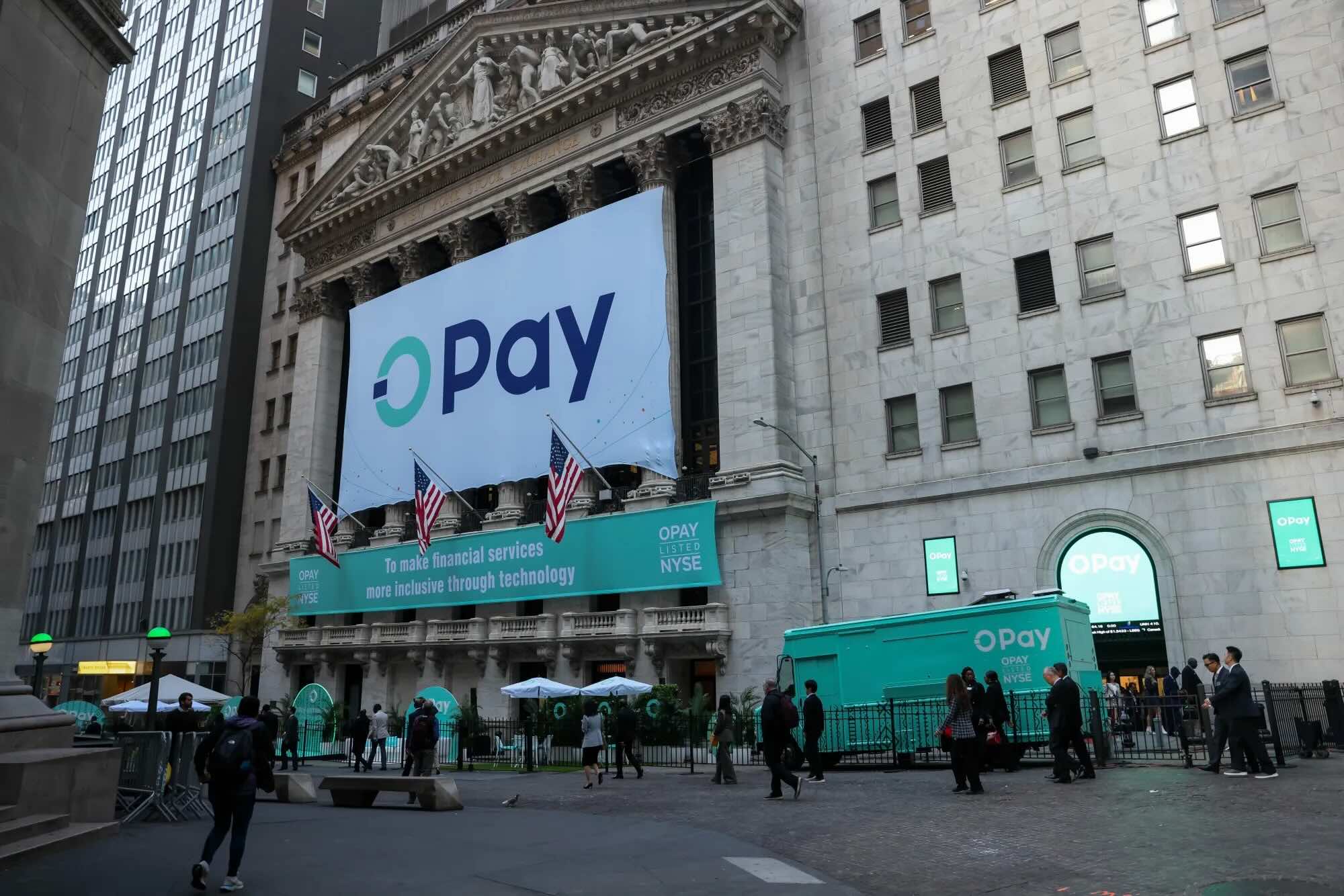
OPay has abandoned its planned $304 million initial public offering (IPO) in the United States following a regulatory inquiry in China, as first reported by Bloomberg. The inquiry emerged shortly after the Nigerian-focused fintech had priced its shares on October 30.
The investigation is reportedly linked to the company's founder, Zhou Yahui, a prominent Chinese businessman. OPay initially kept details of the matter under wraps and described the jurisdiction involved as irrelevant to its main business, but the scrutiny is now understood to center on Zhou.
Notably, OPay has no business operations or revenue in China. Its only connection to the country runs through Zhou, who is also associated with the Chinese technology firm Kunlun Tech. That structure — a Singapore-based operator serving markets across Africa and Asia, tied to China solely through its founder — sits at the center of the questions now surrounding the shelved listing.
The company had planned to raise approximately $304 million by offering 16 million American depositary shares (ADSs) at $19 each, a deal that would have valued OPay at about $4 billion — the lower end of its intended price range of $19 to $21.
On October 30, documents filed with the U.S. Securities and Exchange Commission (SEC) confirmed OPay's decision to halt the offering. The company and its underwriters subsequently terminated their underwriting agreement, meaning OPay's shares will no longer begin trading on the New York Stock Exchange as originally scheduled.
Zhou's ties to China could raise regulatory questions for OPay that extend beyond its regular activities in Nigeria. As founder, his ownership and business interests may be of interest to regulators examining the company's structure or its overseas fundraising efforts. Bloomberg has not specified what concerns the Chinese regulator has raised, however, leaving it unclear whether the inquiry is directed at Zhou personally, his business dealings, or OPay's plans for a stock market listing. Until that scope is clarified, the company, its users, and prospective shareholders are left working from incomplete information.
Not every company led by a Chinese national is automatically subject to Chinese regulation. The rules governing overseas listings and cybersecurity apply primarily to companies operating within China, particularly those that collect data from more than one million users and seek to list abroad. According to Chinese cybersecurity authorities, the filing requirements focus on China-registered entities rather than the nationality of a founder alone. OPay is based in Singapore and maintains that it has no operations or revenue in China, leaving the exact grounds for the inquiry unclear.
The fintech has stated that the recent inquiry does not indicate any issues with its business performance, finances, or regulatory status. It further emphasized that the matter will not affect its operations or customer services in Nigeria and other markets. The company has not said whether it intends to pursue a listing in another market or revive the U.S. offering.
As of July 31, 2026, OPay reported approximately 50 million monthly active users across Nigeria, Egypt, Pakistan, and Indonesia. The disclosure came after the company withdrew its IPO, shifting attention away from its founder's regulatory issues — and sketching the scale of the operating footprint that OPay maintains remains unaffected.

