OPay Builds Trust in Nigeria's Digital Finance Through Local Investment and Customer Service
Key Takeaways
- •The 2026 EFInA survey found that about 79% of Nigerian adults, roughly 94.2 million people, now use financial services, while 21% remain excluded.
- •Use of digital financial services in Nigeria climbed to 64.4% of adults in 2026, up from 45% in 2023.
- •OPay reported more than one million merchants and businesses connected to its network as of June 2026.
- •OPay stated that over 99% of transactions on its app were completed successfully on the first attempt during the first half of 2026.
- •In March 2026, the Central Bank of Nigeria issued guidelines requiring card issuers to provide one ATM for every 7,500 payment cards.
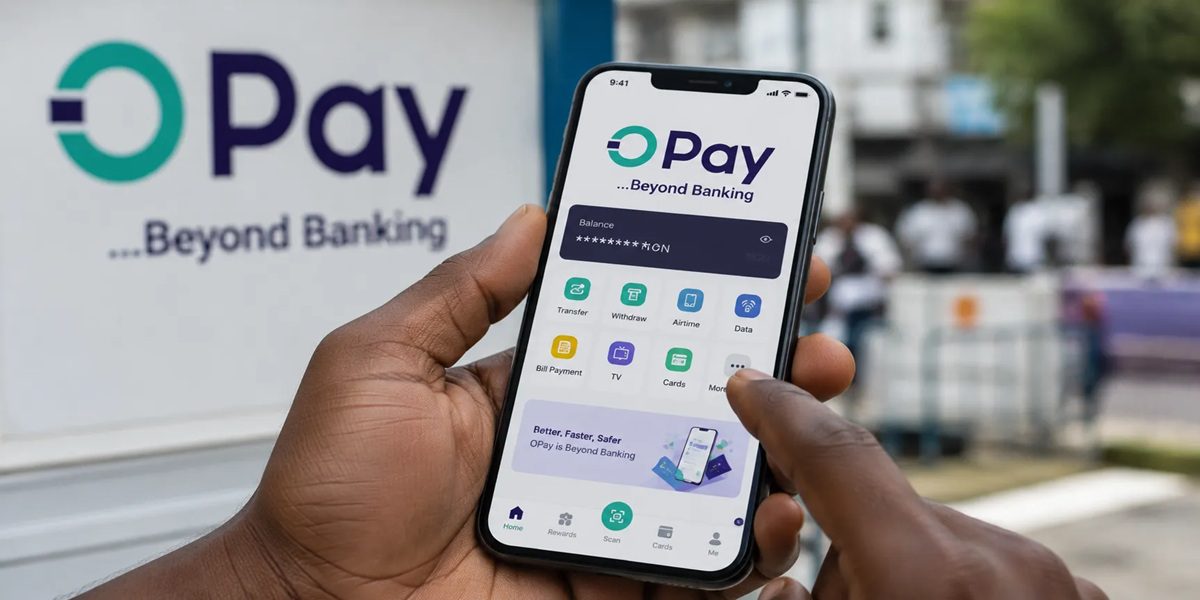
For commercial drivers, market traders, and small business owners, dependable financial services are central to everyday life. A driver needs to be paid after a trip, a trader needs to collect cash for goods sold, and a shop owner may want to pay a supplier without leaving the store. These transactions may look routine, but when they are fast, reliable, and secure, they save people time and help their businesses run more smoothly.
This is where digital finance comes in. Since launching in Nigeria in 2018, OPay has focused on mobile payments and financial services built around everyday needs. Its growth mirrors a broader shift in how Nigerians send and receive money, pay for goods, and manage their finances. Yet as more transactions move online, the central challenge is no longer persuading people to use digital services — it is ensuring they remain confident using them over the long term.
Nigeria — Africa's most populous country — has made significant progress in widening access to financial services, though millions of adults remain outside the system. According to the 2026 Access to Financial Services in Nigeria survey by Enhancing Financial Innovation and Access (EFInA), about 79% of adults — roughly 94.2 million people — now use some form of financial product or service. Formal financial inclusion has reached 73%, and the use of digital financial services has climbed to 64.4% of adults, up from 45% in 2023.
Despite this momentum, 21% of adults are still financially excluded, and access is not evenly distributed.
OPay's answer is to pair its mobile platform with a wide network of local merchants and businesses. The idea is simple: financial services become far more useful when people can reach them through the devices they already own and the neighborhood shops they already visit. A driver paid through digital transfers, or a neighborhood store that accepts electronic payments, can complete transactions without relying solely on cash. That gives customers more ways to pay and makes it easier for businesses to collect money.
As of June 2026, OPay reported more than one million merchants and businesses connected to its network. A footprint of that scale can embed digital payments into daily commerce, especially for small businesses in local communities. Merchants that provide eligible financial services can also earn commissions, creating an additional income stream while giving customers more places to access services.
The benefits, however, hinge on how well the services perform in practice. Merchants want transactions to run smoothly, customers want clear payment confirmations, and money needs to reach the right person without complications. A failure at any point in the chain frustrates businesses and customers alike.
For people who depend on daily sales and payments, a failed transaction is a serious problem. It causes delays, leaves customers frustrated, and forces business owners to spend valuable time sorting out disputes. This is why reliability and strong customer service matter so much in digital finance.
In its public report, OPay said more than 99% of transactions on its app were completed successfully on the first attempt during the first half of 2026. A strong success rate is only one part of the customer journey, though. When a transfer fails or a payment is delayed, users need clear guidance on what to do next.
Customer support becomes critical at precisely these moments. Clear instructions, timely updates, and accessible help can reassure customers about what is happening and what steps to take. For new users, the way a complaint is handled can shape whether they come back at all. For existing customers, quick and effective resolution is what keeps trust intact.
Security is just as important. Customers must feel confident that their personal information and money are safe, while providers have to guard against fraud. Building trust goes beyond offering convenient payments; it requires consistent service, strong safeguards, and clear communication.
Digital finance also generates wider opportunities. Businesses need skilled workers in technology, compliance, customer support, sales, and operations, and these services can create earning opportunities for the merchants and agents involved.
Even so, significant gaps persist in Nigeria's financial system. Research shows one in five adults remains financially excluded. Rural communities face additional barriers to access, and limited options for credit and insurance leave many families vulnerable in difficult times. Having a payment app on a phone does not mean someone can easily obtain credit or save for the future.
Regulation will play a key role in closing these gaps. In March 2026, the Central Bank of Nigeria introduced guidelines requiring card issuers to provide one ATM for every 7,500 payment cards, a measure aimed at improving cash access even as digital payments grow. The broader challenge is to ensure regulation protects consumers and strengthens the payment system while accounting for the many ways people access financial services today. Sustained investment in service delivery, effective oversight, and responsible innovation will be essential for further progress. How the ATM requirement is implemented in practice, and whether future survey rounds show the excluded share narrowing, will be among the clearest measures of whether the sector's momentum reaches those still on the outside.
Nigeria has come a long way on financial inclusion, but the job is not finished. More people are using financial services than ever before, yet access alone does not guarantee convenience, security, or overall financial health.
For OPay, the goal is to build services people can rely on every day — whether that means a driver getting paid, a trader receiving money, or a customer sending cash to family. The message to the industry is clear: technology makes financial services easier to reach, but trust is built through real experiences. Transactions need to go through, complaints need to be addressed, and customers need to feel certain their money is safe.
The company's work has drawn recognition: OPay was crowned the Digital Bank and Financial Inclusion Leader at BAFI 2026.
In the end, the real value of digital finance is not measured by how many people use an app, but by how well it fits into their everyday lives. When people can transact with confidence and get help when something goes wrong, digital finance stops being merely a convenient option and becomes an essential tool for managing money and livelihoods.

