Jim O'Neill: Capital Gains Tax Hike 'Looms' as Top Option for Burnham
Key Takeaways
- •O'Neill said capital gains tax appears an easy revenue-raising option for Burnham and Healey's October Budget because the three main taxes have been ruled out, though he warned it would discourage genuine risk-takers.
- •The 10-year gilt yield climbed as much as 11 basis points to 5.25 per cent, while 30-year yields hit 5.89 per cent, their highest level since May 1998, amid investor unease over borrowing and inflation expectations.
- •O'Neill criticised the tone of Burnham's first major House of Commons speech, saying implications of much more government spending are the last thing investors want to hear.
- •Higher gilt yields increase the cost of servicing government debt, intensifying pressure on any chancellor weighing further borrowing against market tolerance.
- •The October Budget will be the first concrete test of whether Burnham can reconcile ambitious spending plans with market pressures reflected in gilt yields.
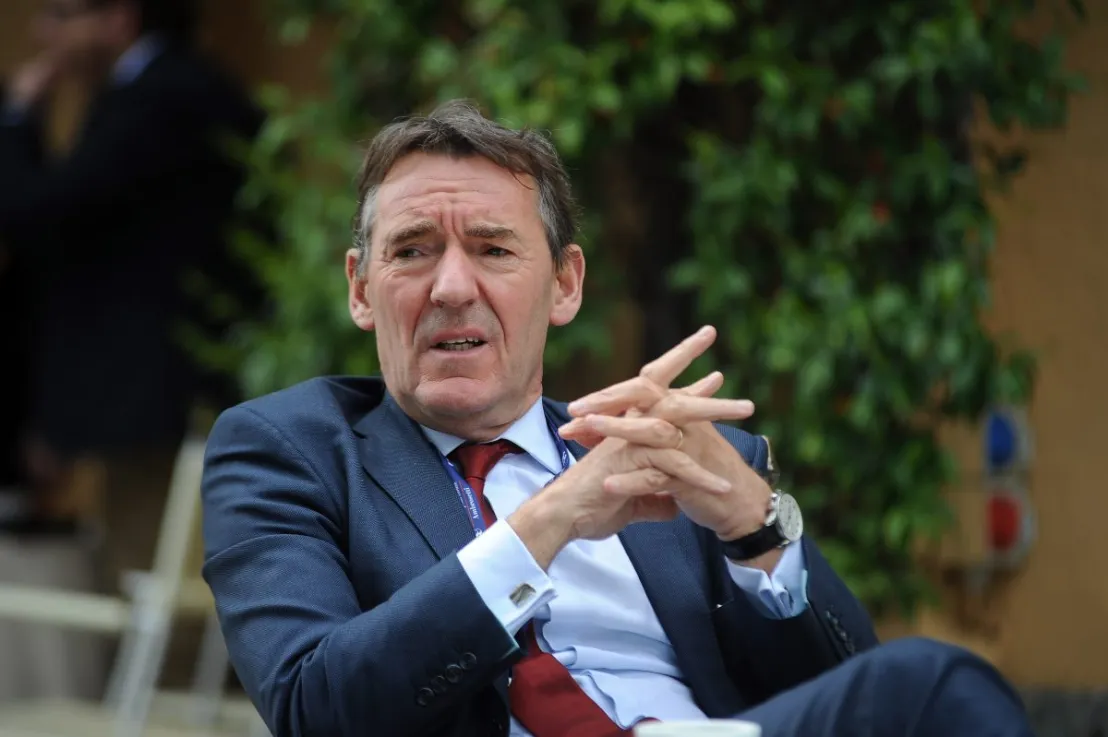
Lord Jim O'Neill has warned that a hike to capital gains tax "looms out" as one of the easiest revenue-raising options available to Andy Burnham and his chancellor, John Healey, as the pair draw up plans for their first Budget in October.
"They've ruled out the three main taxes, so if they're going to have to find some money to balance the books, something like capital gains tax looms out as one of the things you'd go for, not least because traditionally most Labour think tanks think it makes sense to equalise that to income tax," O'Neill said in an interview with LBC's Andrew Marr.
However, O'Neill — who declined a formal role in Burnham's top team over the summer — cautioned that such a move would be "the last thing that should be happening when we want more growth."
"It will force even more genuine risk takers to be discouraged and think about either moving or not doing as much of this kind of thing as they've done," he said.
O'Neill is a former Goldman Sachs chief economist, best known for coining the "BRIC" acronym for the emerging markets of Brazil, Russia, India and China, and served as a Treasury minister in the 2010s. His comments carry weight in debates over fiscal credibility and Britain's attractiveness to investors, a recurring theme since the market turmoil that followed the 2022 mini-Budget, when surging gilt yields forced a reversal of unfunded tax-cut plans.
Cost of borrowing jumps
Government bond yields rocketed to their highest levels in decades yesterday, amid investor unease over government borrowing and an uplift in inflation expectations.
The 10-year gilt yield climbed as much as 11 basis points to 5.25 per cent, while 30-year yields hit 5.89 per cent — their highest since May 1998 — mirroring similar moves in the US bond market a day earlier. Higher yields raise the cost of servicing government debt, intensifying pressure on any chancellor weighing further borrowing against market tolerance — the same trade-off that framed the response to the 2022 gilt crisis.
O'Neill also poured cold water over Burnham's first major speech in the House of Commons yesterday.
"The tone of it about implying a lot more government spending to take control of X, Y and Z is the last thing that investors want to hear," he said.
"The underlying issue is there are many governments all over the world [who] think they can just spend whatever and eventually this miraculous growth is going to appear… who's going to get real in this country about the challenge of getting debt down and controlling our spending?"
"Andy is portraying himself as a person that is up for genuine leadership and change. But now it is decision time." The October Budget will be the first concrete test of whether Burnham can square ambitious spending ambitions with the market pressures now reflected in gilt yields.

