OM Maritime's Subhangshu Dutt Calls on Users to Take Control of Shipping's AI Agenda
Key Takeaways
- •Dutt wants shipping technology decisions to be led by users rather than vendors and developers.
- •He argues technology needs vary with an owner's scale, fleet profile and organisational structure, so no single blueprint fits all.
- •Lower communications costs, aided by LEO satellite connectivity such as Starlink, are making AI-assisted onboard monitoring more practical.
- •Projected officer shortfalls, including in the BIMCO/ICS Seafarer Workforce Report, add urgency to adopting AI and automation to cut manning needs.
- •Dutt sees widening divisions over decarbonisation, citing US policy under Trump and reservations among some Greek shipowners, as affecting alternative fuel investment decisions.
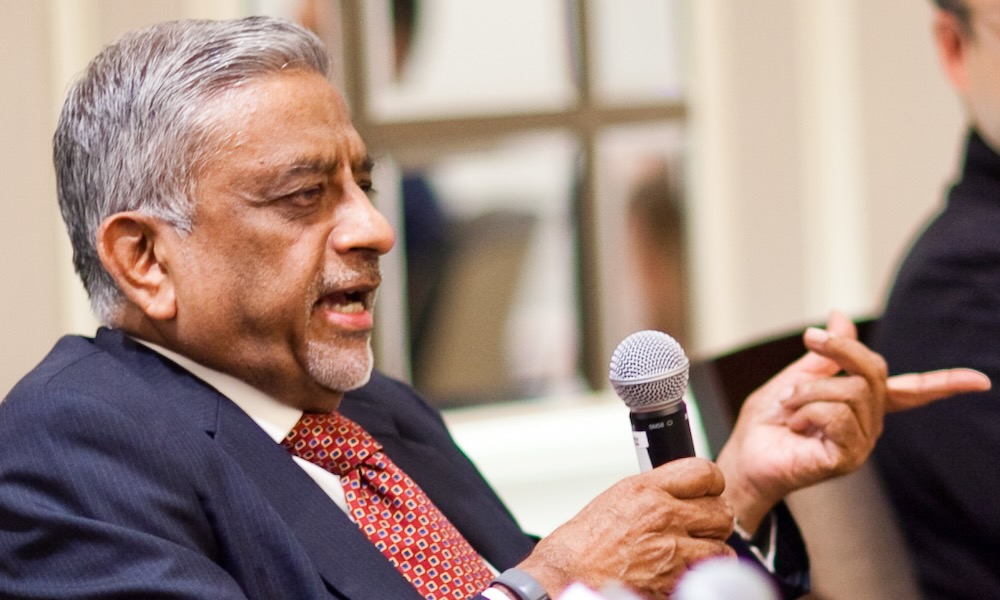
Shipping's technology agenda is still being shaped too heavily by vendors and developers rather than the people who actually have to use the systems, according to Subhangshu Dutt, CEO of Singaporean shipowner OM Maritime.
Ahead of Splash Singapore on September 24, Dutt — one of a number of shipowners sponsoring the event — says he wants to see that balance shift.
"What we see is the big tech developments and AI-related developments being driven by the vendors or developers," he tells Splash. "I hope to see a change where the users or consumers actually take the lead to decide what is best suited for their organisation."
Dutt points out that there is no single technology blueprint for shipping. What works for a large owner may make little sense for a smaller operator, he says, with requirements varying according to scale, fleet profile and organisational structure.
He is also sceptical of the increasingly crowded market for familiar optimisation tools.
"Vessel optimisation, voyage optimisation and routing are features which are basically touted by every possible developer," he says.
From OM Maritime's perspective, more interesting is the potential for AI-assisted vessel monitoring using CCTV and other onboard systems. Lower communications costs — driven in part by the spread of low-earth-orbit satellite connectivity such as Starlink across merchant fleets — are making these applications increasingly practical, while the growing shortage of seafarers could accelerate the adoption of AI and automation to reduce onboard manning requirements. Industry workforce studies, including the BIMCO/ICS Seafarer Workforce Report, have projected a shortfall in officer numbers over the coming years, adding urgency to that debate.
Beyond technology, Dutt expects geopolitics and regulation to dominate conversations at Splash Singapore. He wants to see a sustainable end to the Middle East conflict rather than another temporary ceasefire, while shipping's Net-Zero Framework will also come under scrutiny. The framework, agreed at the International Maritime Organization in 2025, sets global fuel standards and a pricing mechanism aimed at cutting shipping's greenhouse gas emissions, and its implementation timeline is a live issue for owners weighing fuel and fleet investment decisions.
Dutt points to US policy under Donald Trump, together with growing reservations among sections of the Greek shipowning community, as evidence of widening divisions over decarbonisation. The question, he says, is how those divergent views will affect the industry's net-zero goals and, crucially, investment decisions around future alternative fuels.
For Splash Singapore, his priority is simple: breadth.
"A diversified conversation, not just decarbonisation and digitalisation, would make it useful," he says.
Companies attending Splash Singapore include: Aderco, AET, Alcos Transport, Alfa Laval, Al Seer Marine, Ambica Logistics, Anglo American, Anglo-Eastern Univan Group, Anline Shipping, Asia Pacific Ship Management, Asian Shipowners Association, Asparta, AXSMarine, Baltic Exchange, Borealis Maritime, BPG Shipping, BW Group, Cetus Maritime, Chartera, Columbia Group, Complexio, Cook Islands Ship Owners Association, Direct Search Global, Dualog, Ebury Maritime, Erasmus Kaiun Kaisha, Erasmus Shipinvest Group, Fairmont Shipping, Faststream Recruitment Group, Fednav, Filhet-Allard Maritime, Fleet Management, Fleetzero, Foreguard Shipping, G2 Ocean, Geneva Dry, Getting the Market, GlobalOre, Global Risk Management, Heidelberg Materials Trading, Hempel, Idwal, Inchcape Shipping Services, Inmarsat, Inter-Asia Marine Transport, Intercargo, ISEACO, JA Mitsui Leasing, Klaveness Digital, Kpler, Leonhardt & Blumberg, Liberian Registry, Lloyd's Register, M3 Marine, Mandarin Shipping, Mango Marine, Manta Marine Technologies, Marconic | Maritime PR, Marcura, MarinePALS, Maritech Commercial, Merchant Prospect, Mitsui OSK Lines, MOL Chemical Tankers, MSI Ltd, Nippon Paint Marine, Norden, Nura International Shipping, Nura Shipco Management, OceanScore, OceanWings, Oldendorff Carriers, OM Maritime, OS Maritime Consultants, Pacific Basin Shipping, Pacific Carriers Limited, Paralos Shipping, Paratus, Performance Shipping, Petro Inspect Asia, Quartermaster, RightShip, Rio Tinto, Royal Ocean Marine Enterprise, seabo, Sea by Maritech, Seanergy Maritime Holdings, Sedna, Singapore Maritime Foundation, SGX Commodities, ShipMoney, ShipsFocus Ventures, Sofar Ocean, Speedcast, Splash Maritime Group, Stamford Ship Management, Strive High, Sturrock Grindrod Maritime, Suisse-Atlantique Group, Swire Shipping, Syroco, The Captain's Table, Tiger Group Investments, TMV, Tokei Kaiun, Tribini Capital, UNISEA, United Maritime Corporation, Vale, Veritas Petroleum Services, Veson Nautical, Viasat, Victor Surveys, Wärtsilä, Weathernews, Western Bulk, Wilhelmsen Group, Wilhelmsen Ship Management, Wirana Shipping Corporation, X-Press Feeders, and ZeroNorth.
The full Splash Singapore agenda is available here. Splash Singapore registration, at S$750, is available here. Special Splash Singapore hotel room rates (available until September 15) can be found here.
