Oil Markets Price In an Iran Deal That Does Not Exist Yet
Key Takeaways
- •WTI crude fell 5.85% to $75.64 per barrel and Brent dropped to $79.16, with both benchmarks reaching three-week lows on speculation of a U.S.–Iran deal.
- •U.S. officials including Treasury Secretary Scott Bessent and President Donald Trump indicated an agreement to reopen the Strait of Hormuz and denuclearize Iran could be imminent.
- •Iran denied conducting direct talks with Washington, stating it is negotiating through Omani mediators and demanding operational control over inbound and outbound shipping through the strait.
- •Only six vessels transited the Strait of Hormuz on Monday, showing no meaningful improvement in actual shipping traffic despite market optimism.
- •Saudi Aramco estimates that more than 2.6 billion barrels of global oil supply have been lost since the conflict began in February.
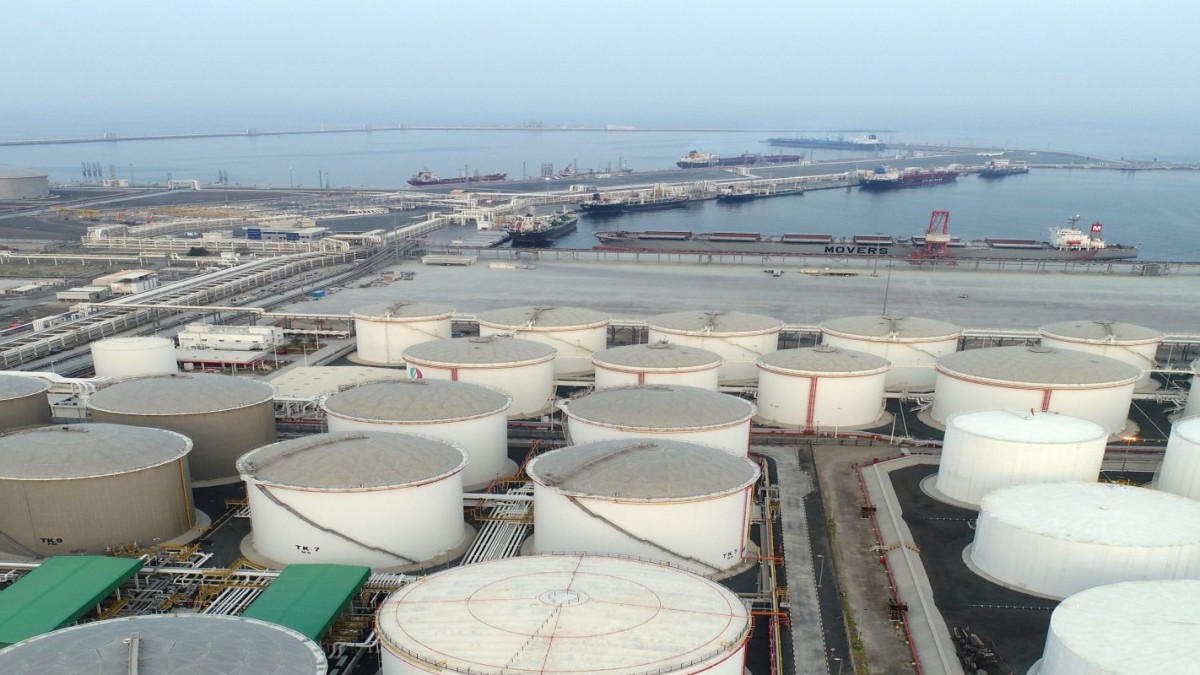
Oil prices tumbled Tuesday as traders priced in a U.S.–Iran agreement before any such deal had actually been reached.
West Texas Intermediate was trading at $75.64 per barrel shortly before 2:00 p.m. ET, down $4.70, or 5.85%. Brent crude had fallen $4.61 to $79.16. Both benchmarks touched three-week lows as hopes built that a diplomatic breakthrough could reopen the Strait of Hormuz.
Treasury Secretary Scott Bessent said a deal could come as early as Tuesday or Wednesday. Secretary of State Marco Rubio stated that talks involving Iran and Oman had made progress. Qatar also confirmed that diplomatic efforts were continuing. President Donald Trump went further, describing an agreement to reopen the strait and denuclearize Iran as "imminent."
Iran presented a markedly different account. Tehran has denied holding direct talks with Washington and says it is negotiating through mediators in Oman. Iran is also reportedly seeking control over inbound shipping and visibility over outbound traffic, with the ability to intervene when it sees fit — demands that go to the heart of how the strait would actually operate under any agreement and that could complicate translating a diplomatic announcement into restored vessel traffic.
Actual shipping data offered little support for Tuesday's market optimism. Only six vessels were tracked moving through Hormuz on Monday, down from seven a day earlier. Traffic through the Bab el-Mandeb Strait was also largely unchanged. A cargo vessel was struck near Oman, adding yet another complication to the ongoing negotiations.
Before the conflict began, approximately one-fifth of global oil and gas supply transited through Hormuz. Persian Gulf producers have since been forced to slash output. Saudi Aramco estimates that the world has lost more than 2.6 billion barrels of supply since the fighting started in February.
Goldman Sachs expects Brent to remain between $80 and $90 per barrel until there is either a confirmed agreement or another major escalation. Brent was already trading below that range on Tuesday afternoon, suggesting that traders may have moved ahead of the diplomats — pricing in an outcome whose physical logistics, shipping access terms, and verification mechanisms have yet to be settled.
Oil prices have spent months oscillating between peace headlines and missile strikes, while physical crude flows through key chokepoints remain badly impaired.
By Julianne Geiger for OilPrice.com

