Oil Prices Approach $90 as US-Iran Demands Complicate Strait of Hormuz Reopening
Key Takeaways
- •Brent crude briefly surpassed $90 per barrel as expectations for a swift US-Iran agreement on reopening the Strait of Hormuz weakened.
- •The Strait of Hormuz carries approximately 20% of the world's daily oil consumption, making it the most important maritime chokepoint for global crude trade.
- •The United States is prioritizing reliable freedom of navigation for commercial vessels, while Iran is seeking concessions related to sanctions and economic restrictions.
- •Alternative pipelines operated by Gulf producers, including Saudi Arabia and the UAE, can only redirect a fraction of total export volumes and cannot fully replace Hormuz's maritime capacity.
- •A sustained oil price increase could complicate monetary policy for central banks worldwide by keeping inflation elevated and limiting flexibility to cut interest rates.
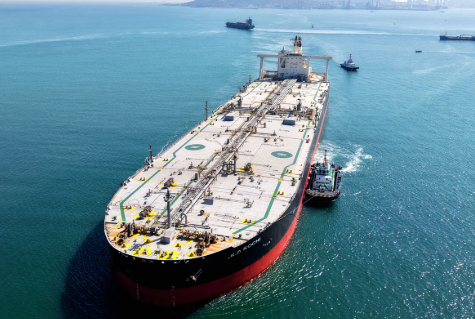
Oil prices moved sharply higher on Tuesday as investors assessed increasingly difficult negotiations between the United States and Iran over the future of the Strait of Hormuz, one of the world's most important energy corridors.
Brent crude, the international benchmark, briefly exceeded $90 a barrel as expectations for a rapid agreement between Washington and Tehran weakened. The price action reflects growing concern that the waterway may remain restricted for longer than previously anticipated, keeping a substantial risk premium embedded in global energy markets.
The Strait of Hormuz has become the central focus of the latest phase of the US-Iran confrontation. The narrow waterway connects the Persian Gulf with the Gulf of Oman and the wider Arabian Sea, serving as a critical route for oil and liquefied natural gas (LNG) shipments from major Middle Eastern producers. Roughly 20% of the world's daily oil consumption passes through Hormuz, making it the single most important maritime chokepoint for global crude trade.
Any prolonged disruption could have consequences far beyond the region. Higher crude prices can increase transportation and manufacturing costs, place pressure on household energy bills, and make it more difficult for central banks to bring inflation under control.
Oil Market Reacts to Fading Hopes for a Deal
The latest move in crude prices reflects a sharp shift in market sentiment. Earlier periods of optimism over a possible US-Iran agreement had helped reduce the geopolitical premium attached to oil. When investors believed the Strait could reopen and tanker traffic could return to normal, the perceived risk of a prolonged supply disruption declined.
That optimism has since weakened. Recent reports indicate that competing demands from Washington and Tehran are complicating negotiations over the reopening of the waterway. Iran has pushed for conditions that would protect its interests and preserve its ability to manage passage through the strait, while the United States has emphasized the need for unrestricted commercial navigation.
The disagreement has left traders facing a familiar problem: there may be an agreement in principle, but the details needed to restore confidence in shipping remain unresolved. That uncertainty alone has been enough to move prices higher.
Why the Strait of Hormuz Matters
The Strait of Hormuz is one of the world's most strategically important maritime chokepoints. Oil-producing countries including Saudi Arabia, Iraq, Kuwait, Qatar, and the United Arab Emirates rely heavily on Gulf shipping routes to reach international markets.
Although some producers have alternative pipelines and export routes, those options cannot fully replace the volume of energy normally moving through Hormuz. Saudi Arabia's East-West pipeline and the UAE's Habshan-Fujairah line can divert some volumes to Red Sea and Gulf of Oman terminals, but combined capacity covers only a fraction of total Gulf exports. The waterway is also critical for LNG. Qatar, one of the world's largest LNG exporters, relies heavily on maritime routes through the Gulf.
Prolonged disruption could therefore affect not only crude oil prices but also natural gas markets, electricity costs, and industrial activity in major importing economies. The consequences would extend across Asia, Europe, and other regions that depend on Gulf energy supplies.
Competing US and Iranian Demands
The central challenge is that Washington and Tehran do not appear to share identical expectations about what reopening Hormuz would mean. The United States wants shipping to resume under conditions that provide reliable freedom of navigation and remove uncertainty for commercial vessels.
Iran, meanwhile, has sought guarantees and concessions of its own. Recent reports indicate that Tehran has been seeking changes involving sanctions, energy exports, and restrictions affecting Iranian economic activity.
Even if both sides agree that reopening the waterway is economically beneficial, they may disagree sharply about the conditions required to make that happen. That leaves the oil market vulnerable to sudden changes in expectations.
The Risk Premium Is Returning
Oil prices reflect not only current supply and demand but also the possibility of future disruptions. When traders believe the Strait of Hormuz will reopen quickly, the geopolitical risk premium can decline. When confidence in an agreement weakens, traders begin pricing in the possibility of longer disruptions.
That appears to be happening again. Brent's move toward $90 demonstrates how quickly expectations can affect crude markets. Earlier in the year, oil prices experienced significant volatility as the conflict and negotiations repeatedly changed the outlook for energy shipments. At one point, Brent had moved into the mid-$90 range during periods of heightened tension.
The latest increase suggests traders remain highly sensitive to every development involving the Strait.
A Prolonged Closure Could Create a Larger Supply Shock
The longer the waterway remains restricted, the greater the potential impact on global energy markets. A short disruption can sometimes be absorbed through inventories, alternative shipping routes, and changes in refinery purchasing. A prolonged disruption is far more difficult to manage.
Storage levels could decline. Refineries could compete more aggressively for available barrels. Shipping costs could rise. Insurance premiums for vessels operating in the region could increase. Countries heavily dependent on Gulf energy could begin competing for alternative supplies. That combination could push prices substantially higher.
The longer-term impact would depend on how much production remains offline and how effectively other exporters can increase output. OPEC+ spare capacity, concentrated heavily in Saudi Arabia and the UAE, represents one potential buffer, but deploying it during an active security crisis presents logistical and political challenges of its own.
Alternative Routes Cannot Fully Replace Hormuz
Gulf oil producers have invested in alternative infrastructure over the years, including pipelines designed to reduce reliance on the Strait. Those systems provide an important safety valve. However, they cannot completely replace the maritime capacity of Hormuz.
Even when some oil can be redirected through pipelines, the market still has to account for the volumes that cannot easily be moved elsewhere. That limitation becomes particularly important during periods of conflict.
Shipping Companies Face a Difficult Decision
For tanker operators, reopening the Strait is not simply a matter of political announcement. Companies need to determine whether it is safe to send vessels through the waterway. A government may declare that shipping is permitted, but commercial operators will still evaluate military threats, insurance costs, crew safety, and the possibility of attacks.
Tanker traffic could therefore take time to return to normal even after a political agreement is announced. Recent developments have already demonstrated how quickly shipping activity can change when the perceived security risk rises. Some vessels have attempted to transit while others have remained cautious, resulting in an uneven flow of energy through the region.
Insurance Costs Could Add to the Pressure
Marine insurance is another critical factor. When ships operate in an active conflict zone, insurers can impose additional premiums to compensate for elevated risks. Those costs are ultimately incorporated into the economics of transporting oil and other commodities. The London insurance market's war-risk ratings for the Gulf have historically been a barometer of perceived danger in the region.
If insurers remain concerned about the security of the Strait, shipping costs could stay elevated even if physical tanker traffic begins to recover. For consumers, the consequences may appear indirectly through higher fuel and transportation costs.
Asian Economies Are Particularly Exposed
Asia is especially sensitive to disruptions in Gulf energy supplies. Countries such as China, India, Japan, and South Korea are major energy importers that rely on international crude markets. Together, these nations account for a substantial share of the crude and LNG that transits Hormuz each day. A sustained increase in oil prices could raise import bills and put pressure on currencies in energy-importing economies.
Oil is not only used to produce gasoline and diesel. It is also a fundamental input for petrochemicals, plastics, aviation fuel, industrial production, and transportation. A sustained oil shock can therefore spread throughout the broader economy.
Europe Faces a Gas Problem Too
The consequences are not limited to crude oil. Qatar's importance to global LNG supply means disruptions to shipping through Hormuz could affect both European and Asian gas markets. European countries have spent years reducing their dependence on Russian pipeline gas, increasing the importance of LNG imports.
Any disruption involving a major LNG supplier could add pressure to European energy markets, potentially affecting electricity generation, industrial production, and household energy bills.
Inflation Could Become a Renewed Concern
One of the biggest economic risks associated with higher oil prices is inflation. When crude rises, gasoline and diesel prices can increase. Transportation becomes more expensive. Airlines face higher fuel costs. Manufacturers may pay more for shipping and raw materials.
For central banks, that creates a difficult situation. If inflation remains elevated because of an energy shock, policymakers may have less flexibility to cut interest rates, affecting borrowing costs for households and businesses. The oil market therefore has a direct connection to monetary policy.
A sustained increase in crude prices could complicate the US Federal Reserve's assessment of inflation. Central banks generally distinguish between temporary energy shocks and broader inflationary pressures. However, if higher energy costs begin affecting wages, transportation, and consumer prices, the effects can become more persistent.
The same dynamic applies to other central banks. The European Central Bank, Bank of England, and central banks across Asia must consider how imported energy prices affect their domestic economies.
The US Is Better Positioned Than Many Importers
The United States occupies a different position from many major oil-importing economies because of its large domestic energy production. The country has become one of the world's largest oil and natural gas producers, providing some protection against physical supply shortages.
However, the global oil market is interconnected. Even if the United States does not rely directly on Gulf crude for most of its consumption, American consumers and businesses are still affected by international oil prices. A global oil spike can translate into higher US gasoline prices and broader inflation.
Markets Watch for Signs of De-Escalation
For traders, the most important signals will come from negotiations between Washington and Tehran. Any indication that both sides are moving closer to an agreement could quickly push oil prices lower. Conversely, signs that talks are breaking down could send crude higher.
Earlier reports of progress toward a reopening agreement caused oil prices to fall sharply as traders anticipated the return of supply flows. One market report in May described Brent falling more than 5% on expectations that a deal could reopen the waterway. The latest move toward $90 shows how quickly that optimism can reverse.
Both Sides Have Competing Incentives
Despite the political confrontation, Iran has economic reasons to support a functioning regional energy market. Iran is itself an oil producer and depends on energy exports for revenue. A prolonged disruption could damage Iran's own economic interests. However, Tehran also has strategic reasons to use the Strait as leverage during negotiations, seeking political and economic concessions from Washington.
Washington also has a strong interest in restoring normal energy flows. Higher oil prices can become a political problem, particularly when gasoline prices rise for American consumers. The difficulty is that the United States is unlikely to accept terms that would leave Iran with excessive control over an international energy corridor.
The challenge for both sides is finding an arrangement that satisfies their respective objectives.
The Negotiation Could Take Time
Markets often react to expectations before political agreements are finalized. Even a short delay in negotiations can produce significant price movements. A draft agreement may not be enough to restore normal tanker traffic—shipping companies need credible security guarantees, insurers need confidence, oil buyers need predictable delivery schedules, and governments need assurance that the arrangement will hold.
All of those factors must come together before the market can fully remove its risk premium.
Oil Traders Face a Two-Way Market
The current environment creates the potential for large moves in either direction. If Hormuz reopens and tanker traffic normalizes, oil could quickly fall as traders remove the geopolitical premium. If negotiations collapse or military tensions increase, prices could rise further.
The market is particularly sensitive to headlines, and a single announcement from Washington or Tehran could change expectations within minutes. Volatility is likely to remain elevated until there is greater clarity over the future of the Strait.
What Happens if Oil Moves Above $90?
A sustained move above $90 would not automatically trigger a global economic crisis. Much would depend on how long prices remain elevated. A short-lived spike could have a relatively limited economic impact. A prolonged period of expensive crude would be more serious—consumers could face higher fuel prices while businesses absorb higher transportation and production costs, potentially slowing economic activity while keeping inflation elevated.
The combination of weaker growth and higher prices is particularly challenging for policymakers.
Energy Markets Watch Inventory Levels
Global inventories will play a major role. Large stockpiles can provide a cushion during temporary disruptions, but if inventories decline while supply remains constrained, the market becomes more vulnerable.
Governments can also use strategic petroleum reserves to reduce the immediate impact of supply disruptions. The United States has previously used its Strategic Petroleum Reserve during periods of major energy-market stress. However, reserves are finite—they can buy time but cannot permanently replace disrupted production and transportation routes.
Producers Outside the Gulf Could Benefit
Higher prices can create opportunities for producers outside the Middle East. US shale companies, Canadian producers, Brazilian offshore operators, and other exporters may benefit from stronger crude prices, which can improve cash flows and encourage additional investment.
But production cannot increase instantly. New wells, pipelines, and infrastructure require time and capital. Alternative production can help over the medium and long term but may not fully solve a sudden supply disruption.
The Global Economy Remains Vulnerable
The latest oil-price increase illustrates how vulnerable the global economy remains to geopolitical disruptions. Energy markets operate across borders—a conflict involving a relatively small geographic area can affect fuel prices thousands of miles away.
The Strait of Hormuz is an especially important example because of the concentration of energy exports passing through a narrow maritime route. Its security is therefore a global economic issue rather than simply a regional political dispute.
The Next Major Catalyst Is the Negotiation
For now, the most important factor for oil prices is likely to remain diplomacy. If Washington and Tehran can overcome their differences, the market could see a rapid decline in risk premiums. If they cannot, traders may begin pricing in a prolonged disruption, pushing crude higher and increasing pressure on consumers, businesses, and policymakers. The coming days could be critical.
Oil prices are moving toward $90 a barrel as hopes for a quick agreement between the United States and Iran to reopen the Strait of Hormuz weaken. Brent crude briefly moved above $90 as traders responded to reports that competing demands from Washington and Tehran are complicating negotiations over the strategic waterway.
The Strait is one of the world's most important energy corridors, carrying large volumes of crude oil and LNG from Gulf producers to international markets. A prolonged disruption could push energy prices higher, increase transportation and manufacturing costs, and complicate efforts by central banks to control inflation.
The United States wants reliable freedom of navigation and an agreement that restores commercial shipping, while Iran is seeking its own political and economic concessions. Even if the two sides reach an agreement, tanker companies may take time to return to normal operations because they must consider security risks, insurance costs, and the credibility of any guarantees.
For oil markets, the key issue is uncertainty. A credible deal could send crude prices lower as the geopolitical premium disappears. A breakdown in negotiations could send prices higher and increase fears of a prolonged energy shock. As Brent approaches the $90 level, traders are closely watching every development from Washington and Tehran, as the future of the Strait of Hormuz has once again become one of the most important variables in the global oil market.

